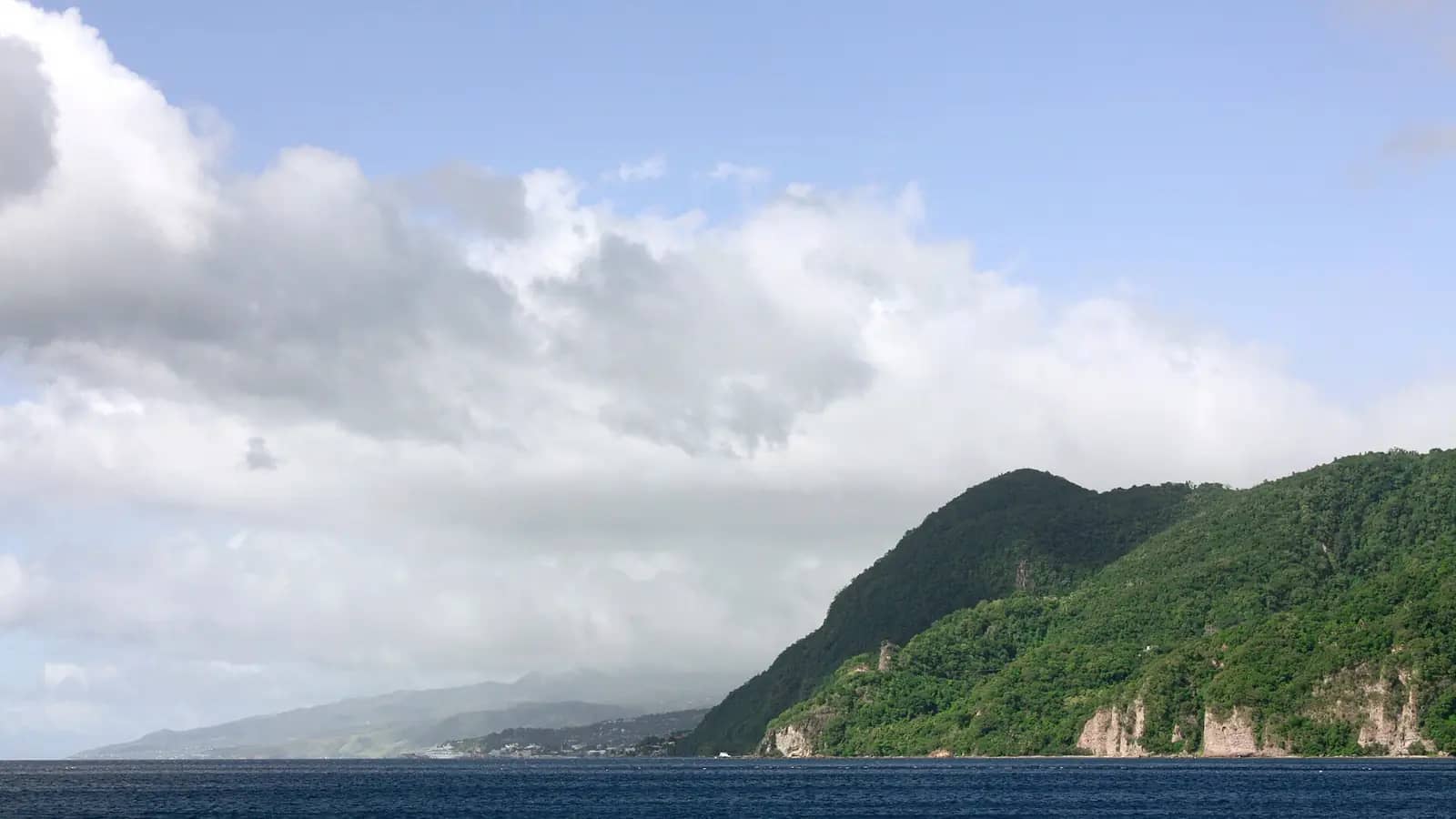
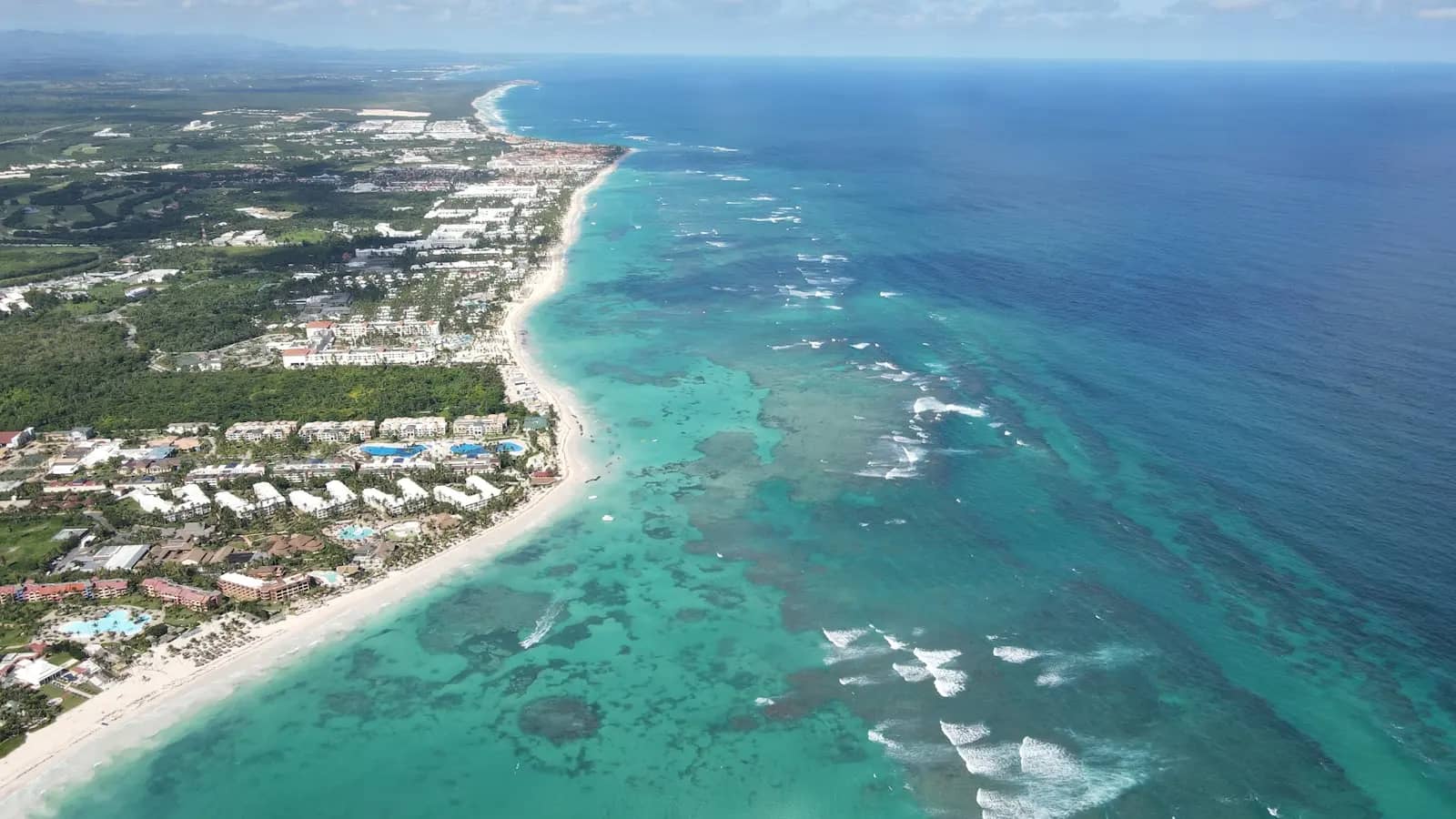
Dominica with kids: attractions, itineraries and family travel tips

Dominica with kids suits families who prefer waterfalls, wildlife and short rainforest walks to large resorts and organised children's clubs. Seven days is the practical first trip. Five days works if the family stays near Roseau and accepts a smaller route. Ten days gives enough time to split the stay between Roseau and Portsmouth without turning every day into a long drive.
The main difficulty is movement. Roads are steep and winding, minibuses do not follow a strict timetable, and many nature sites begin with wet steps or uneven paths. A stroller helps in Roseau but rarely at a waterfall. Families with a toddler will get more use from a suitable carrier, a prearranged vehicle with working seat belts and one substantial outing per day.
Operational details were checked against official tourism, government, health and travel-advice sources on September 2, 2026. Age ranges and visit lengths are editorial planning estimates unless the source states a rule. Rain, river level, sea state and trail maintenance can change access quickly, so confirm conditions with the site or a certified guide before leaving the base.
Dominica family decisions at a glance
| Decision | Practical starting point |
|---|---|
| Best trip length | Seven days, with one weather buffer |
| Best for toddlers | Botanic Gardens, Indian River and short beach blocks |
| Best for school-age children | Emerald Pool, Trafalgar Falls, Fort Shirley and Kalinago Territory |
| Best for teenagers | Syndicate birding, marine trips and longer guided walks |
| Rental car needed? | Not essential if a driver is booked; useful for a confident left-side driver |
| Stroller reality | Useful in town, poor on wet steps, roots and most attraction approaches |
| Best bases | Roseau for the valley and south; Portsmouth for the north |
| Main planning risk | Packing several cross-island stops into one day |
| Emergency medical number | Call 999 and ask for an ambulance |
| Drinking water | Ask the accommodation about its supply; use sealed or treated water when uncertain |
Ten Dominica stops compared
| Image | Destination or attraction | Best ages | Indoor or outdoor | Allow | Booking requirement | Best base |
|---|---|---|---|---|---|---|
 | Dominica Botanic Gardens | Any age | Outdoor garden | 1 to 2 hours | No, check events | Roseau |
 | Trafalgar Falls | 5 and older | Outdoor waterfall | 1.5 to 3 hours | Site pass; guide for rocks | Roseau |
 | Emerald Pool | 4 and older | Outdoor pool and trail | 1.5 to 2.5 hours | Site pass | Roseau or east coast |
 | Scotts Head and Soufriere Bay | 6 and older for snorkelling | Outdoor coast | 2 to 4 hours | Guide useful in water | Roseau |
 | Whale-watching from Roseau | 5 and older | Outdoor boat | Half day | Advance booking | Roseau |
 | Mero Beach | Any age with supervision | Outdoor beach | 2 hours to half a day | No, services vary | Roseau or west coast |
 | Indian River | Any age who can wear a life jacket | Outdoor boat | 1.5 to 2.5 hours | Licensed boatman | Portsmouth |
 | Fort Shirley and Cabrits | 6 and older | Outdoor ruins and trails | 2 to 4 hours | Site pass | Portsmouth |
 | Kalinago Territory | 6 and older | Outdoor cultural visit | 2 to 4 hours | Book a community guide | East coast |
 | Syndicate Nature Trail | 7 and older | Outdoor forest trail | 2 to 3 hours | Guide useful for birding | Portsmouth |
The age bands are pacing suggestions, not safety guarantees. A child who dislikes boats, deep water or slippery ground needs a different plan even if the table suggests the right age.
Ten questions families ask before booking Dominica
- Is Dominica too adventurous for younger children? Not automatically, but a toddler itinerary needs gardens, boat rides and short walks rather than canyoning or difficult hikes.
- Is seven days enough? Yes for Roseau, Portsmouth and one east-coast day if the family leaves a weather buffer and avoids changing bases too often.
- Do we need a rental car? A prebooked driver is often easier. Self-driving requires confidence on the left, on narrow roads and around blind bends.
- Can we use a stroller? In Roseau, sometimes. At waterfalls and forest trails, a carrier is usually more practical.
- Where should a family stay? Roseau reduces travel to the valley and southern coast. Portsmouth is better for Indian River, Cabrits and the northern forest.
- Are the waterfalls simple swimming stops? No. Rain changes current, depth and footing. Treat the viewing platform and the swim as separate decisions.
- Can children snorkel at Scotts Head? Only if sea conditions, swimming ability, equipment and supervision all line up. A certified guide can choose a suitable entry.
- Will taxis have child seats? Do not assume so. Confirm the exact restraint and vehicle before payment, or bring a seat appropriate to the child.
- Are minibuses useful with children? They can work for simple town-to-town trips, but uncertain departure times and limited luggage space make them awkward for a full family route.
- Can we combine Dominica with another island? Yes, but ferry and flight schedules need a buffer. Do not place a separate international connection immediately after an inter-island transfer.
Public indexed discussions supplied these planning questions. Official sources support the operational and safety guidance below.
Roseau and the Roseau Valley
Dominica Botanic Gardens
The gardens give younger children a low-pressure first look at local trees and birds. Families can find the baobab that fell during Hurricane David, compare leaf shapes and use the open lawns for a pause after arrival. This is also the easiest place in the guide to test heat, rain and walking tolerance before committing to a forest trail.
Allow one to two hours. Main paths are more stroller-friendly than waterfall approaches, but surfaces and event closures still need a current check. Toilets, changing space, shade and food availability should be confirmed locally rather than assumed. The gardens are in Roseau, so families can leave quickly if a child needs lunch or a nap.
The official tourism listing for the Botanic Gardens was last checked on September 2, 2026.
Trafalgar Falls
Children walk through rainforest to a platform where both falls can be seen. The official tourism page describes a 10 to 15 minute walk on a maintained path. That makes the viewpoint a reasonable family outing; climbing beyond it over wet rocks is a different activity and should not be treated as part of the easy route.
Allow 90 minutes to three hours, depending on whether the family stops at the platform or continues with a guide. Leave the stroller in the vehicle. Carry dry clothes, water and grippy footwear, and check river conditions after heavy rain. Confirm toilets, food and changing facilities at the reception area before setting out. A site pass is required.
The official Trafalgar Falls page was last checked on September 2, 2026.
Whale-watching from Roseau
A whale trip gives children a chance to listen for the crew's instructions, scan for blows and compare dolphins with sperm whales. Sightings are never guaranteed. The official tourism authority says sperm whales live off Dominica year-round and that sightings are most common from November through March.
Book a licensed operator and disclose every child's age before paying. Ask about boat size, minimum age, life jackets, shade, toilet access, motion sickness, trip length and the cancellation rule. Keep one adult free to support the child rather than film the whole encounter. Boats commonly leave from the west coast, including Roseau.
The official whale-watching page was last checked on September 2, 2026.
Central rainforest and east-coast choices
Emerald Pool
Emerald Pool gives school-age children a short rainforest walk with a clear destination. The official page describes it as the most accessible waterfall in the UNESCO-listed park and places it just off the Roseau to Castle Bruce road. Swimming is a separate decision from completing the trail.
Allow 90 minutes to two and a half hours. The path includes steps and can become slick, so a stroller is not useful. Check whether swimming is permitted that day, keep children out if water is fast or visibility is poor, and use footwear that grips wet surfaces. Confirm toilets, food and changing facilities at the visitor centre. A site pass is required.
The official Emerald Pool page was last checked on September 2, 2026.
Kalinago Territory
The best family visit is led by a Kalinago guide and focuses on living culture rather than treating the area as an exhibit. Children can learn how baskets, canoes, pottery and woodwork are made, then ask what materials come from the island. Agree on the route and activity before arrival because the territory covers several communities.
Allow two to four hours. Ask the guide about walking surfaces, shade, toilets, food, photography and whether a demonstration is running. A compact carrier is more useful than a stroller on village paths. Pay community providers directly when possible and follow guidance about photographs and sacred or private spaces.
The official Kalinago Territory page was last checked on September 2, 2026.
The sheltered west and southwest coast
Scotts Head and Soufriere Bay
The headland lets children see where the sheltered Caribbean side meets a more exposed coast. Strong swimmers may snorkel in the Soufriere Scotts Head Marine Reserve with a certified operator. Younger children can stay on land, watch fishing boats and complete only the short viewpoint walk.
Allow two to four hours. The land route is steep and exposed, while shore entries can be rocky. Sea state, current, equipment fit and local guidance decide whether a child enters the water. Confirm toilets, shade, food and safe parking before settling. Do not promise snorkelling simply because the bay looked calm in an old photo.
The official ocean-activities guide was last checked on September 2, 2026.
Mero Beach
Mero is a useful decompression day between forest outings. Children can play on the dark sand and enter the water only after an adult checks current conditions. The official beach listing identifies Mero as one of the island's beaches with amenities and notes that Sundays are popular with local visitors.
Allow two hours to half a day. Ask where the supervised swimming area, toilets, changing space, shade and food are operating that day. Bring sun protection and water even when a beach bar is expected to open. A stroller may work along the settled beachfront, but sand limits it quickly.
The official Dominica beach listing was last checked on September 2, 2026.
Portsmouth and the north
Indian River
Children sit in a hand-rowed boat while a licensed boatman points out roots, birds and the river's trading history. The quiet pace makes this one of the easier nature outings for a mixed-age family, provided every child can wear the supplied life jacket correctly and remain seated.
Allow 90 minutes to two and a half hours. Confirm child life-jacket sizes, boat capacity, rain policy, toilet access and the walking surface at boarding. There is no room for an open stroller in a small boat, so fold it before boarding. The river mouth is near Portsmouth, making it easy to pair with a separate short town stop.
The official Indian River page was last checked on September 2, 2026.
Fort Shirley and Cabrits National Park
Fort Shirley gives school-age children rooms, cannons and harbour views to connect with the island's colonial and military history. Families can walk only to the restored fort or add a signed trail according to heat and energy. The park is not a place to let children run across ruins without supervision.
Allow two to four hours. The climb, steps and old surfaces limit stroller use. Confirm toilets, drinking water, food, museum-room access and trail conditions at the entrance. Start early, carry sun protection and stop before the walk becomes a heat endurance test. A site pass is required.
The official Cabrits history and visit guide was last checked on September 2, 2026.
Syndicate Nature Trail
The Syndicate trail is a birding choice for children who can walk quietly and accept that a parrot sighting is never promised. The official parks listing identifies the trail and preserve as a place to look for Dominica's Sisserou and Jaco parrots. A guide helps families hear calls and understand which trees provide habitat.
Allow two to three hours including the drive. The forest can be wet, muddy and uneven, so leave the stroller behind. Bring quiet snacks, insect protection, water and a lightweight rain layer. Confirm toilet access, current trail condition and whether a guide needs to be arranged before departure.
The official national-parks listing was last checked on September 2, 2026.
Five, seven and ten days across Dominica
Five days: keep one base near Roseau
Use day one for arrival and the Botanic Gardens. Day two pairs Trafalgar Falls with a long rest. Put Emerald Pool on day three, with no second major trail. Day four is either a whale trip or Scotts Head, depending on age and sea conditions. Keep day five for Mero Beach or weather recovery before departure. Portsmouth does not fit comfortably unless the family drops a southern outing.
Seven days: Roseau first, Portsmouth second
Spend three nights near Roseau for the gardens, Trafalgar and one marine day. Use day four to travel north with a Mero stop only if everyone is rested. Days five and six cover Indian River and Fort Shirley as separate anchors. Day seven is the Syndicate trail or a rest morning. If the family wants Kalinago Territory, substitute it for a marine day instead of adding another cross-island drive.
Ten days: add the east coast and real buffers
Use four nights around Roseau, one or two nights near the east coast and four nights around Portsmouth. Add Kalinago Territory on its own day. Keep one day completely unassigned for rain, tired children or a missed boat. A second beach block and a second short forest walk are more realistic additions than the Boiling Lake hike for most families.
Getting around Dominica with children
Airport and ferry arrivals
Douglas Charles Airport is on the northeast coast. The official tourism site directs arriving passengers to the airport taxi dispatch. The drive to Roseau is long and winding, so book the vehicle, confirm seat belts and child restraints, disclose luggage and plan for motion sickness before landing. Portsmouth is closer than Roseau, but actual time depends on road and weather conditions.
Ferries use the Roseau terminal. Leave a generous connection buffer because sea conditions and schedules can change. Keep passports, consent documents, medication and one change of children's clothes in hand luggage. The current US travel advisory says a parent travelling alone with a child should carry the required notarized consent or custody evidence, so check the rule that applies to the family before departure.
Rental car, driver or minibus
Dominica drives on the left. The official tourism page says visitors need a local driving permit and describes privately operated minibuses that leave when full rather than on a strict timetable. A car gives flexibility, but the driver must be comfortable with narrow roads, pedestrians, potholes and limited night lighting. A hired driver removes that workload and is often the simplest choice for a family with one daily outing.
Minibuses can work between major towns with light bags. They are less useful for an attraction circuit, a large stroller or a child who needs a guaranteed departure time. Confirm the last practical return before leaving Roseau or Portsmouth.
What Dominica's restraint law means for a family transfer
Dominica's official Vehicles and Road Traffic law says passengers aged 2 to under 18 must use the complete seat-belt assembly when their seat has one. The law also recognizes prescribed child seating and restraint systems, but the official chapter does not give visitors a simple current age-and-weight chart. Ask the rental company or driver to identify the supplied restraint, then check that it matches the child's size and the manufacturer's instructions. Bring the child's own seat when a suitable local restraint cannot be confirmed.
Do not accept a vehicle without working belts because the journey is short. The airport road, valley roads and cross-island route are exactly where restraint planning matters.
Rainforest-island logistics to settle before arrival
- Season: Rain is possible throughout the year. The Atlantic hurricane season runs from June through November, so monitor official forecasts and keep flexible bookings during that period.
- Meals: Restaurants outside Roseau and Portsmouth may keep limited hours. Carry a simple backup meal and verify dinner service before a long drive.
- Healthcare: Call 999 for an ambulance. The UK travel advice says the main government hospital in Roseau can handle many treatments, while serious cases may require evacuation. Appropriate travel insurance matters.
- Pharmacies: Stock routine medicine and prescriptions before leaving the larger towns. Carry a copy of prescriptions and keep essential medicine in hand luggage.
- Water: Water quality can vary by property and after disruption. Ask the accommodation about its supply. Use sealed or appropriately treated water for drinking when uncertain, especially for infants.
- Mosquitoes: CDC guidance identifies mosquito-borne disease risks. Use repellent suitable for the child's age, covered clothing and screened sleeping space.
- Fresh water: Waterfalls and rivers are natural environments without pool-style control. Avoid swallowing water, cover cuts and keep children out after heavy rain or when local staff advise against entry.
- Sun and heat: Start exposed walks early. Carry hats, water and a dry layer because a cool child after swimming can become uncomfortable quickly.
- Accessibility: Do not infer access from a short trail length. Ask about steps, roots, mud, handrails, boat boarding and accessible toilets for the exact route.
Phone tools to prepare before a Dominica road day
- Save offline map areas in Google Maps or use Organic Maps before leaving Wi-Fi. A downloaded map does not confirm that a road or trail is open. - Keep the Dominica Meteorological Service and official tourism transport pages bookmarked in the browser for current weather and route checks. - Use the airline or ferry operator's official app or mobile site for the booked journey, then save tickets and booking references offline. - Keep a family messaging app available, but agree on a meeting point in case coverage drops at a trail or beach. - Store the insurance assistance number, accommodation contact, driver and 999 in the phone contacts, not only in cloud notes.
Data for weather changes, drivers and ferry updates
Mobile data is useful for the airport handoff, driver messages, weather checks and loading a changed ferry booking. It does not make a closed trail safe or extend an app's service area. Download the day's map and booking evidence before leaving the base, then use live data for changes.
The public catalog checked on September 2 listed an exact Dominica Roaming eSIM and a Caribbean Roaming eSIM whose published coverage includes Dominica. The country plan is the cleaner fit for one island. The Caribbean plan may suit a verified multi-island route. That direct, preselected choice is more useful than relying on café Wi-Fi while coordinating children and luggage, but package allowance, hotspot support, reloadability and activation rules still depend on the selected plan.
Estimate the trip's allowance with the travel data calculator, then review the installation guide and phone compatibility guide before purchase. Keep the usual SIM active only according to the family's call, SMS and roaming-cost plan.
This guide is reviewed before major winter and summer travel periods, and sooner after a hurricane, road disruption or material attraction change. Last verified September 2, 2026.