El Salvador with kids: attractions, itineraries and family travel tips

El Salvador with kids suits families who want interactive city stops, short archaeological visits, cool highland walks and a Pacific coast finish without crossing a large country. Five days is enough for San Salvador and the western highlands. Seven days can add two slower coast nights. Ten days can include Suchitoto without turning every morning into a checkout. The hard part is traffic, heat and choosing transport that has the right child restraint, not the distances shown on a map.
Preschoolers usually do best with San Salvador, a short El Boqueron visit and a pool-based coast stay. School-age children can add Joya de Ceren, San Andres and Cerro Verde. Teenagers may enjoy longer guided trails or adventure activities, but operators must confirm age, height, equipment and weather rules. Santa Ana volcano and rough waterfall routes are not compulsory family stops.
Operational details were checked against Salvadoran tourism, culture, education, road, emergency and attraction sources, plus current health and travel advice, on August 30, 2026. Suggested ages and visit lengths are editorial planning estimates unless a provider states a rule. Confirm opening, tickets, child restraints, guides, accessibility, toilets, food, shade and weather directly before paying.
El Salvador family decisions at a glance
| Decision | Practical starting point |
|---|---|
| Best first base | San Salvador for Tin Marin, BINAES and El Boqueron |
| Best toddler plan | Two bases, one main activity a day and a hotel pool rather than a long attraction list |
| Best rainy-day pair | Tin Marin and BINAES, with a proper meal and rest between them |
| Best archaeology pair | Joya de Ceren and San Andres, which are about five kilometres apart |
| Best low-effort volcano view | El Boqueron or Cerro Verde instead of a summit hike |
| Best town base | Ataco, Apaneca or Juayua for a slower Ruta de las Flores day |
| Useful first trip | Seven days across San Salvador, the western highlands and La Libertad coast |
| Rental car needed? | Not always; a prearranged driver is often simpler for a first visit with child seats |
| Child restraints | Children under five must use an installed child restraint; children under twelve cannot ride in front |
| Emergency help | Call 911 for police or fire; save tourist police and embassy contacts separately |
Which El Salvador stops fit your children?
| Image | Destination or attraction | Best ages | Indoor or outdoor | Allow | Booking requirement | Best base |
|---|---|---|---|---|---|---|
 | Tin Marin Children's Museum | 2 to 10 | Indoor and covered interactive exhibits | 2 to 4 hours | Check the current public session | San Salvador |
 | BINAES | 3 and older | Indoor library and activity spaces | 1.5 to 3 hours | Confirm visitor rules and events | San Salvador |
 | El Boqueron National Park | 5 and older | Outdoor viewpoints and short trail | 1.5 to 3 hours | Check weather and volcanic notices | San Salvador |
 | Joya de Ceren | 6 and older | Covered archaeology and museum areas | 1.5 to 2.5 hours | Check current entry and guide | San Salvador or Santa Ana |
 | San Andres | 6 and older | Outdoor archaeology | 1 to 2 hours | Confirm group and guide arrangements | San Salvador or Santa Ana |
 | Cerro Verde | 4 and older | Outdoor viewpoints and interpretive trails | 2 to 4 hours | Check trail and visibility conditions | Cerro Verde or Ruta de las Flores |
 | Ruta de las Flores | All ages with route cuts | Town walks, food and optional activities | Half or full day | Reserve any workshop or adventure activity | Ataco, Apaneca or Juayua |
 | Suchitoto | 5 and older | Town walk, workshops and optional lake trip | Half or full day | Book workshops and boat directly | Suchitoto |
 | Sunset Park | 3 and older, ride dependent | Outdoor amusement park | 2 to 3 hours | Check ride days and restrictions | La Libertad coast |
 | Walter Thilo Deininger Adventure Park | 7 and older for a short guided trail | Outdoor protected forest | 2 to 5 hours | Yes for a guided route or adventure activity | La Libertad coast |
This table filters the route. It does not promise step-free access, lifeguards, a child seat, a correctly sized life jacket or an activity suitable for every child in the age band. Ask the operator to describe the exact route and equipment your family will use.
Ten questions families ask before booking El Salvador
Recent public family discussions focus on traffic, car seats, toddler pacing, beach currents, strollers, drivers, volcano hikes and how many bases a short trip can support. These answers use official or first-party evidence where the claim is factual.
- Is El Salvador realistic with a toddler? Yes, when the family keeps two bases and one main outing per day. Tin Marin, BINAES and a pool day are more realistic than a volcano, lake and beach circuit in three days.
- Should we rent a car or hire a driver? A confident driver can rent, but a prearranged driver removes parking and route stress. Either way, confirm the exact child seat and installation before arrival.
- Can an app ride provide a child seat? Do not assume it will. Bring an appropriate restraint or book a provider that confirms the seat model and fit in writing.
- Are El Tunco and El Zonte swimming beaches for small children? Do not treat any Pacific beach as automatically safe. Current advice warns about strong undertows and limited lifeguards. Use warning flags, local instructions and a supervised pool fallback.
- Will a stroller work? A compact stroller helps at Tin Marin, BINAES and airport areas. Cobbles, broken pavements, archaeological ground and forest trails make a carrier useful too.
- Is Santa Ana volcano suitable for children? It may suit fit older children with a certified guide and current clearance. Cerro Verde gives a lower-effort volcano day and is the better default for younger families.
- Can we swim in Lake Coatepeque? CDC advises avoiding unchlorinated fresh water in El Salvador because leptospirosis is present. A viewpoint or lakeside meal avoids turning the lake into a required swimming stop.
- How much can we fit into seven days? Use San Salvador, one western base and one coast base. Adding Suchitoto usually means cutting another region or extending the trip.
- Are public buses practical with children? Current UK advice warns about petty crime on public buses. Families with luggage and restraints should use a reputable prebooked service or carefully planned rental car.
- What should be arranged before landing? The first transfer, each child's restraint, the first two nights, offline directions, insurance contacts and any attraction with a fixed session or guide.
San Salvador: use two compact clusters
San Salvador works best when families separate the Flor Blanca museum area from the historic centre. Traffic can turn two nearby points into a slow transfer. Put one anchor activity before lunch, return for a rest, then decide whether the second stop still fits.
Tin Marin Children's Museum
Children touch, build and experiment across science, art, culture, health and environment exhibits. Tin Marin currently describes 32 permanent exhibitions and a planetarium. It is strongest for ages two to ten and can hold a preschooler's attention for two hours or a school-age child's for much longer.
The museum is largely an indoor or covered weather fallback. UNICEF documented sign-language video, audio points and Braille in the Planeta Verde exhibit, but that does not confirm every route or activity is fully accessible. Ask about wheelchair circulation, stroller storage, toilets, changing facilities, quieter periods, food rules and seating.
Check the current public session before leaving. School groups, special programmes or maintenance can change the useful visit window. Parque Cuscatlan sits beside the museum, so a short outdoor break can replace another ticketed stop when children need movement.
The useful vehicle stop is the named Tin Marin entrance between the national gym and Parque Cuscatlan in Colonia Flor Blanca. Set it as the pickup point instead of relying on a broad park pin. The official Tin Marin site lists its exhibits and planning information. Accessibility evidence comes from UNICEF El Salvador. Details checked August 30, 2026.
BINAES
BINAES gives children books, sensory resources and technology spaces in the historic centre. Government descriptions include early-childhood areas, Braille and tactile resources, lifts, inclusive reading rooms and spaces used for robotics, Lego and games. Allow 90 minutes to three hours, depending on the day's programme and the child's ability to move on from a favourite floor.
The building is a useful heat or rain break. Its accessibility features are documented, but families should still ask about the route to the exact room they want, lift availability, toilets, changing facilities, sensory load and any registration requirement. The education ministry's school-visit protocol restricts bags and food and uses lockers. Individual visitor rules may differ, so check rather than copying school-group instructions.
Pair BINAES with one short look at Plaza Gerardo Barrios, not a long checklist of central buildings. Crowds, events and road controls can change pickup access. Agree on a named meeting point before separating.
The useful drop-off is BINAES beside Plaza Gerardo Barrios in the historic centre. The Ministry of Culture's BINAES service overview documents inclusive facilities, and the education ministry visitor page links current school protocols. Details checked August 30, 2026.
El Boqueron National Park
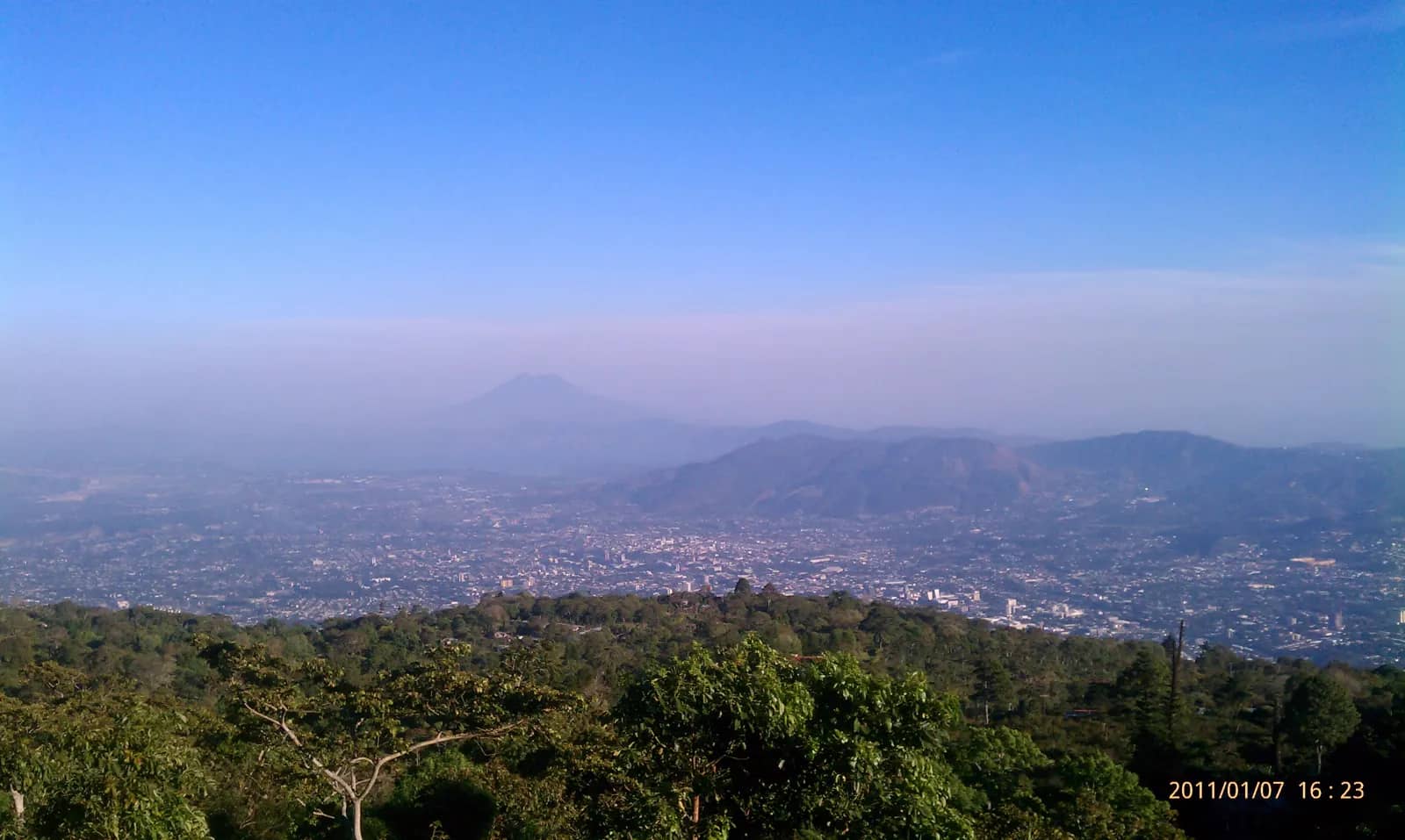
Children follow a marked path to crater viewpoints and see the smaller Boqueroncito cone below. The official tourism page estimates 20 to 25 minutes to the crater viewpoints. Allow 90 minutes to three hours for stops, cloud cover and a meal on the approach road. It suits children from about five who can manage steps and damp surfaces.
Do not describe the route as stroller-friendly without confirmation. Carry younger children, use shoes with grip and ask about toilets, handrails, seating and the day's usable viewpoint. The altitude is cooler than central San Salvador, but sun and rain can change quickly.
Check Protección Civil and park notices before departure. Cloud can erase the view, while heavy rain can make a short path a poor choice. A cafe stop on the volcano road is a reasonable substitute rather than a reason to push tired children through wet conditions.
Use the official park entrance as the driver stop. Public route information exists, but current travel advice and child-seat needs make a prearranged vehicle more practical for most visiting families. The official El Boqueron page describes the viewpoints and marked path. Details checked August 30, 2026.
Zapotitan Valley: combine two archaeological sites
Joya de Ceren and San Andres sit about five kilometres apart. That makes them a useful pair for children who enjoy archaeology. It does not mean every family should complete both. Visit Joya first, have lunch, then decide whether another outdoor site will add anything.
Joya de Ceren Archaeological Park
Children see houses, work areas and everyday objects preserved after a volcanic eruption. This is easier to explain than a ceremonial complex because the story concerns ordinary family life. School-age children usually get the most from it. Allow 90 minutes to two and a half hours.
The Ministry of Culture lists a cafeteria, free guide service, technical area and public-use space. Much of the archaeology is protected by roofing, but the route still includes outdoor heat and walking. Ask about ramps, steps, toilets, seating, stroller circulation and the current museum display.
The site has scheduled closing days and can change access after weather or conservation work. Check the same morning. A guide can turn preserved rooms into a clear story, but younger children may be finished before the full adult explanation ends.
The useful transport point is the official entrance at kilometre 35 on the road toward San Juan Opico. The Ministry of Culture visitor page lists facilities and access information, while UNESCO explains the site's World Heritage value. Details checked August 30, 2026.
San Andres Archaeological Park
San Andres shows a larger civic and ceremonial centre with an acropolis and open plaza. Children compare that public architecture with the homes at Joya de Ceren. It suits ages six and older. The official page currently describes a guided circuit of roughly 35 to 45 minutes, so allow one to two hours including shade and museum time.
The grounds are exposed. Bring water, hats and a rain layer, and ask about toilets, shade, step-free circulation, stroller use and the current route around the structures. The short guided format helps families avoid an unstructured walk in midday heat.
The Ministry of Culture publishes group limits for the guided circuit. Confirm whether a reservation is needed, especially on weekends or school dates. Skip the second site if attention has already run out at Joya.
The useful stop is the official San Andres entrance on the Pan-American Highway near Ciudad Arce. The Ministry of Culture's San Andres page gives current visitor and guided-route details. Details checked August 30, 2026.
Western highlands: choose viewpoints over endurance tests
The western route works with one base near Cerro Verde or on Ruta de las Flores. Do not schedule Cerro Verde, Santa Ana volcano, Coatepeque, Ataco and a waterfall hike in one day. Traffic, cloud and lunch will decide more than the kilometre count.
Cerro Verde Recreational Park
Children walk interpretive paths and look toward Izalco and Santa Ana volcanoes when cloud permits. The official tourism page names two interpretive trails, "Las Flores Misteriosas" and "Una ventana a la naturaleza." Families with children from about four can choose a short section rather than committing to a summit.
Allow two to four hours. Ask which trail is open, its surface and gradient, and where toilets, food, shelter and seating are available. A carrier is more dependable than a stroller. Mornings may have better visibility, but no forecast guarantees a view.
Cerro Verde is also the planning gate for harder volcano outings. If older children want Santa Ana, use a certified guide and confirm current volcanic, weather, start-time and equipment rules. The family can still have a worthwhile day without that ascent.
Use the Cerro Verde park entrance as the driver stop and allow a large traffic margin from San Salvador. The official Cerro Verde page describes its interpretive trails and location. Details checked August 30, 2026.
Ruta de las Flores
Ruta de las Flores links Juayua, Apaneca, Salcoatitan, Ataco and Nahuizalco through the western highlands. Children can follow murals, choose food in a town square, visit a workshop or take one age-appropriate activity. The value is the mix, not collecting every town sign.
Ataco or Apaneca gives a practical base. Cobbles and uneven pavements can frustrate a stroller, while cafes provide food, toilets and seated breaks only during their own opening times. Ask the accommodation about parking and the least steep route for the family's needs.
Weekend food and town activity can mean more traffic and fewer easy parking spaces. Adventure operators on the route offer ropes, canopy, buggies and hikes, but the tourism page does not make those suitable for every child. Confirm minimum age, height, equipment, insurance and guide credentials directly.
Use the central park of the chosen town as the navigation point, then agree on a precise parking or pickup place. The official Ruta de las Flores page names the route towns and activity types. Details checked August 30, 2026.
Suchitoto: add it only when the trip has time
Suchitoto town, workshop and lake choice
Suchitoto gives children a slow town walk, craft or indigo activity and an optional look toward Lake Suchitlan. It is most useful from about age five because the historic centre has cobbles and the cultural stops require some patience. Allow half a day for the town or a full day when a booked workshop is included.
Choose one hands-on activity rather than a long architecture tour. Ask the workshop about age fit, dyes, aprons, toilets, handwashing, step-free entry and how long children are expected to sit. The official tourism page lists the Art Center for Peace and Pajarito Flor workshop among local cultural points.
A lake outing needs a separate safety decision. Confirm the operator, route, weather, boat capacity and correctly sized life jackets. CDC advises avoiding swimming in unchlorinated fresh water in El Salvador, so the lake does not need to become a swimming stop.
The useful vehicle point is the official tourist information centre or a confirmed accommodation entrance, not an informal lake pin. The official Suchitoto destination page provides local context and named cultural stops. Details checked August 30, 2026.
La Libertad coast: rides and forest before swimming claims
Pacific water conditions can be dangerous even on a clear day. Current US and UK advice warns about riptides, undertows, limited lifeguards and isolated beaches. A family coast stay works best with a supervised pool, a short waterfront visit and an activity that does not depend on swimming.
Sunset Park
Sunset Park has a Ferris wheel, roller coaster, pirate ship, frog drop and carousel beside the Puerto de La Libertad complex. Children choose rides rather than spending the afternoon in Pacific surf. Allow two to three hours and check every height, age and companion rule at the ride.
The wider complex has food, waterfront walking and toilets, but confirm the exact accessible path, stroller parking, changing facilities and seating. The park is exposed to sun, rain and sea air. Later visits can be cooler, though they also bring busier queues.
Opening days and times have changed in published sources, so use the operator's current notice rather than an old article. Do not promise all five rides will operate. Maintenance, wind or weather can close one independently.
Use "Sunset Park, Complejo Turistico del Puerto de La Libertad" as the drop-off, then agree on the same pickup gate. The official ISTU Sunset Park page lists the five attractions, and El Salvador Travel provides destination context. Details checked August 30, 2026.
Walter Thilo Deininger Adventure Park
This protected forest gives older children a guided trail and, when they qualify, separately operated adventure activities. ISTU describes dry, gallery and secondary forest, a Pacific viewpoint and specialist-guided routes. A short guided walk is the family default. Rappelling, high ropes, zip lines and long river routes are not automatic add-ons.
Allow two to five hours depending on the booked route. Ask for minimum age, height, weight, footwear, guide ratio and rain policy. Also confirm toilets, drinking water, food, shade, first aid and whether any route works for a wheelchair or stroller. A carrier may still be unsuitable on steep or technical sections.
Heavy rain can affect rivers and forest access. Protection Civil and ISTU notices take priority over a fixed itinerary. In the current dry conditions, water features may also differ from older photographs and descriptions.
The useful vehicle point is the official entrance at kilometre 55 on the coastal highway. The official ISTU park page describes the reserve, while the ISTU ticket page lists guided and adventure choices. Details checked August 30, 2026.
Five, seven and ten days without rushed transfers
These routes assume a slower first day, one anchor activity each morning and room for traffic, meals, naps and weather changes. Drive times are editorial planning ranges, not promises.
Five days: city and western highlands
- Arrival: Transfer to San Salvador in daylight when possible. Eat, check the child seat and stop there.
- San Salvador: Tin Marin before lunch. Add BINAES only after a proper rest.
- Volcano view: Visit El Boqueron in the morning, then keep the afternoon free.
- Zapotitan Valley: Choose Joya de Ceren, with San Andres only if energy and heat allow. Sleep near Cerro Verde or Ruta de las Flores.
- Western morning and departure: Use Cerro Verde or one Ruta de las Flores town, then return with a generous airport buffer. An early flight requires sleeping closer to the airport the previous night.
Seven days: add a coast finish
- Arrival in San Salvador: No scheduled attraction.
- Tin Marin and BINAES: Split the two clusters with lunch and rest.
- El Boqueron: Short trail, cafe stop and a quiet afternoon.
- Joya de Ceren and San Andres: Transfer to a western base after the archaeological pair.
- Cerro Verde or Ruta de las Flores: Pick one anchor and one town, not a summit plus every village.
- La Libertad coast: Transfer after breakfast. Use the pool, then Sunset Park if its operating day fits.
- Departure: Keep the day empty except for the airport transfer.
Ten days: include Suchitoto without daily packing
- Arrival in San Salvador: Settle in.
- San Salvador family day: Tin Marin, rest, then BINAES if children still want it.
- El Boqueron: Keep the afternoon unplanned.
- Transfer to Suchitoto: Short historic-centre walk after check-in.
- Suchitoto: Book one workshop. Add a boat only with weather and life jackets confirmed.
- Transfer west: Stop at Joya de Ceren and choose whether San Andres still fits.
- Cerro Verde: Use the short interpretive route; do not force a summit.
- Ruta de las Flores: One or two towns with a long lunch and no hotel change.
- La Libertad coast: Choose Sunset Park or a short guided Walter Thilo route, then sleep near the coast or airport.
- Departure: Travel in daylight when the flight time allows.
Driving and transfers for El Salvador families
Airport, drivers and rental cars
El Salvador International Airport to central San Salvador commonly needs about 45 to 75 minutes in normal planning, but congestion can make that longer. Put the flight number, accommodation entrance and child-seat requirement into the transfer booking. An arrival after dark is not the time to compare informal offers at the curb.
A rental car helps on Ruta de las Flores and around Cerro Verde. It also brings San Salvador traffic, parking, mountain roads and a strict zero-alcohol driving rule. Current US advice recommends major roads and avoiding intercity travel at night because of terrain, landslides, road conditions and limited streetlights. A reputable prearranged driver is a sensible first-trip alternative.
Uber's current country page lists San Luis Talpa, San Salvador, Santa Ana and San Miguel. Coverage on a map does not guarantee a ride, a larger vehicle or a child restraint at a rural attraction. Keep the pickup pin, driver details and destination available offline.
Child-seat requirements
Road-law changes in force from December 29, 2025 require children under five to use a properly installed child restraint. Children under twelve cannot travel in the front seat. The published very-serious infringement carries a fine, but the more important planning point is that a booked vehicle does not automatically contain the correct seat.
Ask for the seat type, weight or height range and installation arrangement in writing. Bring a familiar seat when the provider cannot answer. Do not hold a child on an adult's lap, and do not accept a front-seat workaround.
The Viceministry of Transport law download is the official legal source. A March 2026 report quoting FONAT explains the under-five restraint and under-twelve front-seat rules. Rules checked August 30, 2026.
Buses, luggage and stroller reality
Current UK advice warns about petty crime on public buses and recommends reputable coaches and prebooked or radio-dispatched taxis. That makes ordinary buses a poor default with children, luggage and an installed restraint.
No single national stroller or luggage rule covers private transfers, coaches and app rides. Tell the operator the folded stroller dimensions and bag count. Confirm whether a large stroller replaces a passenger space, whether the driver waits during seat installation and whether the restraint can stay in the vehicle between stops.
Family logistics
When to visit and where crowds build
The rainy season normally runs from June through November. Downpours, landslides and poor visibility can affect volcano and forest days. The drier months reduce rain risk but can bring heat, dust and reduced water at waterfalls. Check Proteccion Civil notices and the attraction on the morning of travel.
Weekends bring local families to Ruta de las Flores, waterfront sites and amusement parks. Start with the stop most affected by queues, but leave a meal and rest gap. School and public-holiday calendars can change city traffic and attraction demand, so check the dates rather than relying on a generic "low season."
Food and meal rhythm
Pupusas, rice, beans, plantain, soup, fruit and grilled foods give children several plain options. Ask about cheese, dairy, nuts, shellfish and cross-contact when allergies matter. Small eateries may not have high chairs or changing tables, so carry the minimum equipment your child needs.
Families do not need to adopt a fixed local meal time. Eat before a long transfer, carry sealed snacks and avoid placing the main meal after a volcano or forest walk. A slow lunch is often what keeps the afternoon usable.
Water, mosquitoes and healthcare
Do not assume a tap is a verified drinking-water source. CDC recommends safe food and water practices and lists typhoid vaccination for most travellers. Use sealed or properly treated water unless the accommodation can confirm a potable supply, and ask how ice and children's drinks are prepared.
CDC currently lists dengue, Zika and other insect-borne diseases in El Salvador. Use age-appropriate repellent, screened or air-conditioned rooms and clothing that reduces bites. It also warns that leptospirosis is present and advises avoiding unchlorinated fresh-water swimming.
Carry insurance details, prescription medicines and a paediatric plan. CDC notes that rabies vaccine after an exposure may be available only in larger urban or suburban facilities. Wash an animal bite or scratch immediately and seek medical care.
Safety, emergency numbers and current advice
The US advisory was Level 1, "Exercise normal precautions," on August 30, 2026. That is not a promise that every road, beach or neighbourhood is risk-free. The same advisory recommends daylight intercity travel, major roads, certified guides for backcountry hiking and caution around beach currents.
UK advice records isolated robberies and assaults, warns against remote trails and unofficial taxis, and notes dangerous Pacific undertows. Use reputable transport, avoid displaying valuables and follow local warning flags. Call 911 for police or fire after a road collision or other emergency. The UK page also lists the tourist police at +503 2224 2705.
Read the current US El Salvador travel advisory and UK safety guidance before travel. Health guidance comes from the CDC El Salvador traveller page. All were checked August 30, 2026.
What the accessibility evidence does and does not prove
BINAES documents lifts and inclusive reading resources, while UNICEF documented accessible media in one Tin Marin exhibit. Rural parks, cobbled towns and archaeological grounds need individual confirmation. An attraction calling itself accessible does not prove that the car park, toilet, viewpoint and activity form one usable route.
Ask for photographs or a written route description when step-free access is essential. Include the vehicle transfer, not only the entrance. A wheelchair-accessible building is of limited use if the booked vehicle cannot carry the chair safely.
Useful apps and sites
| Tool | Use it for | Family limitation |
|---|---|---|
| Google Maps | Saved pins and downloadable areas | Offline maps do not contain live closures or a guaranteed safe route |
| Waze | Live road delays and closures | Keep the official destination address because pins can be imprecise |
| Uber | App rides in currently listed Salvadoran cities | No automatic child seat or rural return vehicle |
| Driver, guide and accommodation coordination | Save phone numbers and meeting points outside the chat too | |
| El Salvador Travel | Official destinations, tourist transport and guide contacts | Reconfirm each operator and current opening directly |
| Proteccion Civil | Weather, drought, rain and emergency notices | Check the site before outdoor days rather than relying on push alerts |
| Google Translate | Spanish text and downloaded language pack | Emergency and medical conversations may need a human interpreter |
Uber's official El Salvador city list currently names four operating areas. El Salvador Travel identifies itself as the official tourism platform and links transport and certified-guide contacts. Apps and sites checked August 30, 2026.
Data for pickups, weather and maps
Mobile data helps when a driver changes the pickup point, BINAES access shifts, rain closes a trail or the family needs a translation and map at the same time. Download the route, insurance information and tickets anyway. A working data line is useful backup, not the emergency plan itself.
The public Roaming eSIM catalog listed six El Salvador packages when checked on August 30, 2026. The plan cards showed 3G/4G labels, while the available network names and top-up support differed by package. Read the selected card before checkout rather than assuming every plan uses every listed network or can be reloaded.
The exact-country Roaming eSIM for El Salvador is the commercial owner for "best eSIM for El Salvador" and El Salvador plan-shopping queries. This family guide keeps the travel decision separate. Families continuing across borders can compare the two verified global plans shown below, but should choose them only when the published coverage matches the whole route.
Roaming eSIM gives the family a direct plan and installation path instead of leaving connectivity as an unverified tip in a travel roundup. It also lets a compatible phone keep the usual SIM installed, subject to the phone's dual-line settings and the home operator's roaming charges. Check whether the phone supports eSIM, decide when to install it, and use the travel data calculator before choosing an allowance. The family setup research explains the limits of buying or managing a plan for someone else.
Nearby family guides
El Salvador can fit into a longer Central America trip, but border days consume more time than the map suggests. Compare the practical route demands in Guatemala with kids, Belize with kids and Costa Rica with kids. Keep one country out when the alternative is three rushed border crossings and no recovery day.