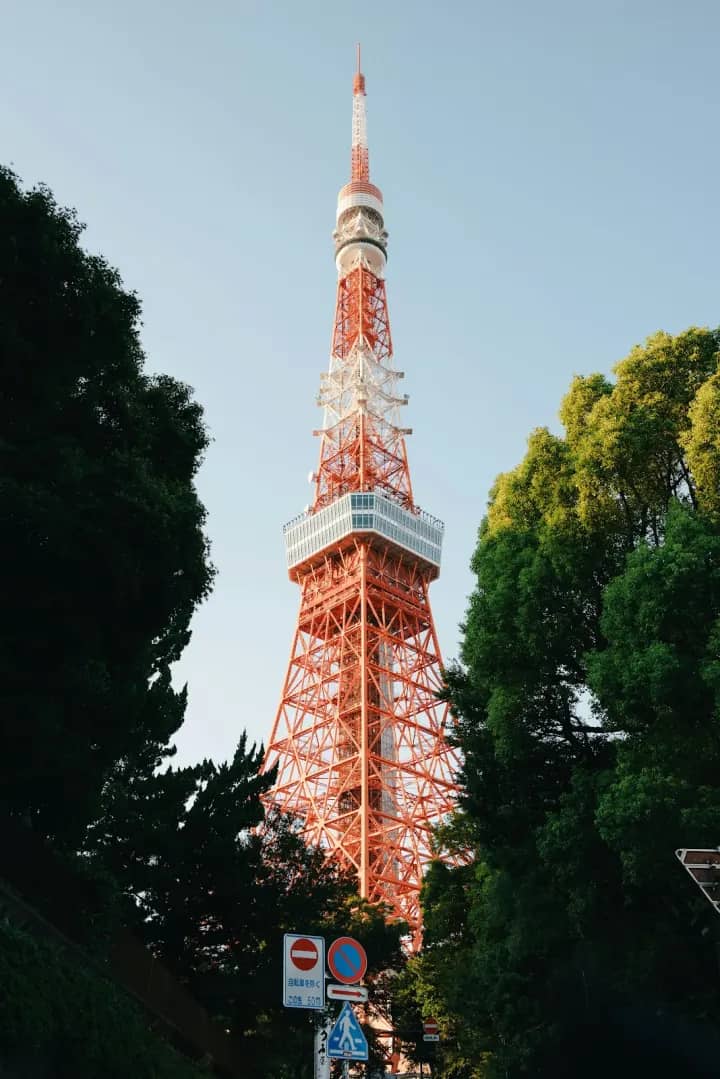
Japan with kids: attractions, itineraries and family travel tips

Japan suits families who enjoy trains, hands-on museums, aquariums and compact city days. Five days is enough for Tokyo, seven days works best as Tokyo plus one Kansai base, and ten days can cover Tokyo with Kyoto or Osaka without changing hotels every other night. Children from about age four have the widest choice, although Tokyo and Osaka both have manageable toddler days.
The main difficulty is not a lack of things to do. It is the work between them. Large stations, weekday crowds, luggage, summer humidity and fixed-entry tickets can turn a short transfer into the hardest part of the day. A family usually gets more from two bases and one major booking a day than from racing through Tokyo, Kyoto, Osaka and Nara.
This guide was checked against official attraction, transport, police, health, weather and product sources on August 10, 2026. Suggested ages, visit lengths and journey ranges are editorial planning estimates, not venue rules or guarantees. Recheck every linked official page for the travel date.
Japan family trip at a glance
| Trip decision | Practical starting point |
|---|---|
| Best first trip | 7 days split between Tokyo and one Kansai base |
| Best with a toddler | 5 days in Tokyo with one indoor anchor each day |
| Best for ages 4 to 8 | Fire Museum, Kyoto Railway Museum, Kyoto Aquarium and Kids Plaza Osaka |
| Best for ages 8 to 13 | National Museum of Nature and Science, Miraikan, Ghibli Museum and Cup Noodles Museum |
| Car needed | No for the Tokyo, Kyoto and Osaka route in this guide |
| Main stroller issue | Long station interchanges, busy lifts, narrow boarding windows and venues that require stroller parking |
| Emergency numbers | 110 for police, 119 for fire or ambulance |
| Sensible daily pace | One timed attraction, one nearby meal and one optional stop |
Which Japan attractions fit your family?
| Image | Attraction | Best ages | Setting | Allow | Book ahead? | Best base |
|---|---|---|---|---|---|---|
 | National Museum of Nature and Science | 4 to 13 | Indoor museum | 2.5 to 4 hours | Useful for special exhibitions | Tokyo |
 | Miraikan | 5 to 13 | Indoor science museum | 2.5 to 4 hours | Useful, required for some experiences | Tokyo |
 | Tokyo Fire Museum | 3 to 10 | Indoor museum | 1.5 to 2.5 hours | No for individual visits | Tokyo |
 | Ghibli Museum | 5 and older | Indoor museum with garden | 2 to 3 hours | Yes, mandatory | Tokyo |
 | Kyoto Railway Museum | 3 to 12 | Indoor halls and outdoor rail yard | 3 to 5 hours | Useful, simulator requires advance ticket | Kyoto |
 | Kyoto Aquarium | 3 to 11 | Mostly indoor aquarium | 2 to 3.5 hours | Useful on weekends and wet days | Kyoto |
 | Kyoto City Zoo | 3 to 10 | Outdoor zoo with indoor houses | 2.5 to 4 hours | No general timed ticket | Kyoto |
 | Kids Plaza Osaka | 2 to 10 | Indoor children's museum | 3 to 5 hours | Useful during school holidays | Osaka |
 | Osaka Aquarium Kaiyukan | 3 to 12 | Indoor aquarium | 2.5 to 4 hours | Yes for a preferred entry time | Osaka |
 | Cup Noodles Museum Osaka Ikeda | 5 to 13 | Indoor museum and workshops | 1.5 to 3 hours | Yes for Chicken Ramen Factory | Osaka |
The age bands reflect attention, walking and subject matter. They are not admission rules. Ask the venue directly if step-free access, sensory support, a changing table, food allergies or a quiet space determines whether the visit can work.
Ten Japan planning questions families keep asking
Current family travel discussions repeatedly return to pace, strollers, train seats, luggage and heat. The operational answers below are based on official sources rather than social replies.
- Is Tokyo, Kyoto and Osaka too much in seven days? Usually, yes. Tokyo plus either Kyoto or Osaka leaves room for jet lag, laundry, a wet afternoon and a missed train. Kyoto and Osaka are close enough for a day trip, so a third hotel is rarely necessary.
- Should a family stay only in Tokyo with a toddler? It is a reasonable five-day choice. Tokyo has indoor options, parks, department-store baby rooms and direct airport links. Add Kansai only if the adults can manage one long rail transfer without sacrificing the child's sleep routine.
- Stroller, carrier or both? Bring both when a child still naps. A narrow stroller helps inside museums and on long pavements. A carrier helps on station stairs, crowded trains and at Ghibli Museum, where strollers must be left in the designated area.
- How difficult are station lifts? Major stations have accessible routes, but the lift can be far from the stairs shown by a route app. Allow an extra 10 to 20 minutes for a large interchange and follow lift signs instead of the shortest walking line.
- Does a young child need a Shinkansen ticket? SmartEX classifies ages 6 to under 12 as children. Infants and babies generally travel free, but a child fare is required when an infant or baby uses a reserved seat, when more than two infants accompany one adult or child, or when an infant travels alone.
- Can a stroller go on the Shinkansen? Yes, but the stroller does not automatically reserve the space behind the last row. JR Central says strollers are outside the oversized-baggage rule, yet a reservation is required if the family wants to use an oversized baggage area. A compact fold reduces boarding stress.
- Should luggage be forwarded? It is useful when one adult cannot safely handle the child, stroller and suitcases at the same time. Delivery timing and accepted hotels vary. Confirm the handoff deadline with both properties and keep medicines, tickets, sleep items and one change of clothes in a day bag.
- What happens if the child will only eat familiar food? Start with station food halls, supermarkets and plain rice, noodles, bread, fruit or convenience-store basics. Translate the allergy, not just the food preference. A translation card should name the ingredient and the risk of cross-contact.
- Is summer realistic with children? It requires a different schedule. JNTO describes summer as hot and humid, with typhoon disruption possible in August and September. Use early outdoor time, a long indoor afternoon and a booking that can be reached without a 20-minute exposed walk.
- Which reservations should be made first? Ghibli Museum comes first because all entry is advance reservation. Next secure the Shinkansen seats and any activity that the family would be disappointed to miss. Leave at least one half-day without a prepaid attraction.
Tokyo: four different family days, not one giant checklist
These four venues sit in Ueno, Odaiba, Yotsuya and Mitaka. They do not combine neatly. Give each a half-day or full day and use the surrounding neighbourhood for the meal and optional second stop.
National Museum of Nature and Science
Children move between dinosaurs, animal specimens, geology, space and the history of Japanese science. That range helps siblings follow different interests, but trying to complete both main galleries can exhaust a younger child. Most families with children from four to thirteen will find enough for 2.5 to four hours. Choose two or three floors before arrival.
The current English museum guide marks lifts, accessible toilets, baby-changing stations, restaurants and rest areas. A stroller works on the main visitor route, although a busy special exhibition can be easier with a carrier. Food and seating are available in designated areas, but queues build around lunch and on wet weekends. Check the floor map before promising a specific exhibit because gallery closures change.
The museum is in Ueno Park, with JR Ueno and the Ueno subway stations as the most useful approaches. General admission does not normally require a timed booking, while special exhibitions can have their own ticket rules. Read the official visitor overview, admission information and current English museum guide. Official details checked August 10, 2026.
Miraikan
Miraikan rewards children who want to test an idea, watch robots and look up at the suspended Geo-Cosmos rather than follow a fixed historical story. Curiosity Field is designed for parents and children to explore scientific thinking together. Ages five to thirteen have the widest choice. The museum's own FAQ suggests about two hours for the exhibition; a dome-theatre booking or slow lunch can stretch the visit to four.
The museum lists lifts, wheelchair-accessible toilets, stroller loans, changing facilities on each floor, a fifth-floor nursing room, a quiet room and food service. These details make it one of the stronger rain or heat choices in the guide. Strollers can be used, although an adult may prefer to park one before a crowded hands-on area. Theatre and special-exhibition access can have separate capacity.
Tokyo International Cruise Terminal Station is about a five-minute walk according to Miraikan, while Tokyo Teleport is farther. Online tickets open before the visit date and are useful during school breaks. Use the official visitor page, family and accessibility information and visitor FAQ. Official details checked August 10, 2026.
Tokyo Fire Museum
Full-size fire engines, a helicopter and working-equipment displays give younger children something concrete to follow while models explain Tokyo firefighting from the Edo period onward. For ages three to ten, this is a focused 1.5 to 2.5-hour alternative to a large museum. A quiz trail or temporary workshop can lengthen the visit.
GO TOKYO's current accessibility listing includes lifts, multipurpose toilets, diaper-changing facilities, a breastfeeding room and wheelchair loans. The official museum page says individual visitors do not need a reservation. Drinks are sold in the tenth-floor lounge, but food is not, so plan the meal outside and use the visit as a half-day anchor.
Yotsuya-sanchome Station on the Tokyo Metro Marunouchi Line has the closest connection. Weekday mornings can include school groups, and rainy weekends can be busy because admission is free. Check the official Tokyo Fire Department museum page and Tokyo Metropolitan Government visitor listing. Official details checked August 10, 2026.
Ghibli Museum
Small rooms, a film theatre and displays about animation make this a looking-and-discovering visit, not a ride-park day. Start around age five unless a younger child already loves the films and can manage narrow stairs and indoor rules. Two to three hours is usually enough before a snack and unstructured time in nearby Inokashira Park.
All admission is by advance reservation and tickets are not sold at the museum. The museum asks visitors to leave strollers in the designated area. It has no lift from the second floor to the roof garden, which is reached by a narrow spiral staircase, and the roof can close in poor weather. Eating and drinking are limited to the cafe and cafe deck. Free lockers use a refundable deposit, but the museum asks visitors with larger luggage to contact staff.
Mitaka Station is the useful rail stop, followed by the museum bus or a walk. Buy only through the official route, check the named entry time and do not build the rest of the day around a ticket that has not been secured. Review the official ticket rules, accessibility and visitor policies and museum introduction. Official details checked August 10, 2026.
Kyoto: keep Umekoji together, then choose one east-side day
Kyoto Railway Museum and Kyoto Aquarium sit beside Umekoji Park and can be split across a relaxed day. Doing both in full is demanding for younger children. Kyoto City Zoo is on the east side near the Okazaki cultural district and deserves a separate outing.
Kyoto Railway Museum
Children can enter historic trains, compare locomotives, watch the railway diorama and inspect the roundhouse and turntable. Some days also offer an operating steam-hauled passenger ride. A three to five-hour visit suits most children from three to twelve, while a dedicated train fan may happily stay longer.
The museum provides nursing rooms with hot water and changing tables, child-friendly toilets, stroller loans, stroller parking, lockers, a restaurant and break spaces. The main halls are stroller-friendly, while boarding historic vehicles can involve narrow steps. The outdoor roundhouse needs sun or rain protection. The simulator requires an advance ticket, and operating experiences follow separate times and conditions.
Umekoji-Kyotonishi Station is the nearest useful rail stop. Buy an advance general ticket for a smoother entrance and reserve the simulator only if the child is old enough to follow its instructions. See the official museum page, services for families with young children and English floor guide. Official details checked August 10, 2026.
Kyoto Aquarium
Freshwater and marine habitats, Kyoto-linked species, penguins and larger tanks give the route enough variety for preschool and primary-school children. Most exhibits are indoors or under cover, so two to 3.5 hours here can replace a temple garden when the weather turns. Check the current programme before promising a particular presentation.
The aquarium says strollers can move through the building using slopes and lifts. It lists three nursing rooms with hot water, six changing tables, four toilet locations, lockers and several designated seating or eating areas. A few outdoor paths and the open-air village area still need an umbrella, while wind can drive rain into covered seating. Rental strollers are not provided.
Umekoji-Kyotonishi Station is the closest useful stop, and Kyoto Station is a longer walk or bus ride away. Online booking is useful on weekends, school holidays and wet-weather days. Check the official access page, visitor support and current FAQ. Official details checked August 10, 2026.
Kyoto City Zoo
Elephants, gorillas, giraffes, penguins and native Japanese species are spread between outdoor enclosures and indoor animal houses. With children from about three to ten, choose three animal areas and spend 2.5 to four hours rather than walking every loop. Exhibits can close or change for animal welfare and health.
The zoo lists three nursing rooms, baby seats in several toilets, child toilet seats, multipurpose toilets, restaurants, cafes, lockers and a limited number of free strollers. Shade varies, so summer visits should start early and include an indoor break. The zoo's service page notes that men cannot enter the nursing rooms, although staff can provide hot water at the gate. Families who require a stroller should bring their own because loans cannot be reserved.
Keage Station is about a seven-minute official walk and Higashiyama is about ten minutes. Several city buses also stop nearby. No general timed booking is required, while some animal interactions use same-day reservations. Use the official opening and visitor page, family services and official access directions. Official details checked August 10, 2026.
Osaka: indoor play, a harbour aquarium or a half-day in Ikeda
Kids Plaza is central and easy to pair with a meal near Tenma. Kaiyukan is by Osaka Bay and takes its own half-day. Cup Noodles Museum is in Ikeda, outside central Osaka, so it should not be treated as a quick stop between city attractions.
Kids Plaza Osaka
Role-play in Kids Street, science and culture displays, television-style media and the central play structure can fill three to five hours without leaving the building. Peek-A-Boo gives babies and toddlers their own area. The strongest age range is roughly two to ten, especially for children who like to repeat an activity.
The museum lists a nursing room, hot water, sinks, baby seats, changing facilities, child toilets, multipurpose toilets, a first-aid room, lockers, stroller parking and free stroller loans for children up to the stated product limit. Families may eat brought food at designated tables, although seats can be busy when groups visit. This is an entirely indoor option for heavy rain or summer heat.
Ogimachi Station Exit 2 is beside the building and JR Temma is a short walk. An advance ticket is useful during Japanese school holidays or a wet weekend. Read the official visitor and access information and current English floor leaflet. Official details checked August 10, 2026.
Osaka Aquarium Kaiyukan
The route descends through Pacific habitats around a central tank, passing large fish, rays, seals and smaller coastal species. It is dim and mostly one-way in feel, so agree on a meeting point before entering. Preschoolers through early teens can spend 2.5 to four hours here. A meal break works better after the busiest galleries than halfway through them.
Kaiyukan does not recommend stroller use inside because low light, crowds and exhibit sightlines can make it difficult. The service counter will store a stroller for free, but the aquarium does not lend one. Nursing rooms are on the sixth floor and in the entrance building, changing beds are in all restrooms, and first-aid rooms are available. Same-day re-entry is possible after receiving the required hand stamp, which helps if a child needs a longer break.
Osakako Station on the Chuo Line is about a five-minute official walk. Reserve a preferred entry time on busy weekends and wet days, then avoid the first hour after opening if the family dislikes dense queues. Check the official access page and stroller, nursing and first-aid information. Official details checked August 10, 2026.
Cup Noodles Museum Osaka Ikeda
Children trace the development of instant noodles, watch short exhibits and design a cup before selecting ingredients at My CUPNOODLES Factory. The separate Chicken Ramen Factory is more structured and has age and pairing rules. Plan about 1.5 hours for the museum and cup activity from around age five, or up to three hours with a reserved workshop and waiting time.
The museum lists a nursing room, baby beds, baby holders, an accessible route, lifts and an accessible toilet. It does not have coin lockers, so leave large luggage at Ikeda Station. There is no conventional restaurant, and outside food cannot be brought in. My CUPNOODLES Factory uses same-day numbered tickets when space remains; Chicken Ramen Factory should be booked in advance and does not allow non-participants inside its work area.
Ikeda Station on the Hankyu Takarazuka Line is the nearest useful stop. Do not pair this with a timed central-Osaka booking without allowing for the suburban rail journey. Review the official visitor information, current FAQ and official services page. Official details checked August 10, 2026.
Realistic Japan family itineraries for 5, 7 and 10 days
These plans assume one main attraction each day, a slow arrival and room for meals, naps and weather changes. A second stop is optional, not a promise.
Five days: Tokyo without a hotel change
| Day | Plan | Why it works |
|---|---|---|
| 1 | Arrive, check in and walk within the neighbourhood | No cross-city booking while the family is tired |
| 2 | National Museum of Nature and Science, then Ueno Park | Indoor anchor with an easy outdoor release |
| 3 | Miraikan and a short Odaiba waterfront walk | One district and a heat or rain fallback |
| 4 | Ghibli Museum if tickets are secured, otherwise Fire Museum | The fixed ticket gets its own day |
| 5 | Local breakfast, one nearby playground and airport transfer | Protects the flight from a cross-city delay |
With a toddler, substitute a quiet local morning for any museum after a poor night. Do not fill the Ghibli day until the admission ticket has been confirmed.
Seven days: Tokyo plus one Kansai base
| Day | Plan | Pace decision |
|---|---|---|
| 1 | Arrive in Tokyo | Stay close to the accommodation |
| 2 | Ueno museum day | One major indoor visit |
| 3 | Miraikan or Fire Museum | Choose by age and energy |
| 4 | Shinkansen to Kyoto or Osaka after breakfast | Forward large luggage if it simplifies boarding |
| 5 | Kyoto Railway Museum and Umekoji Park | Stay in one compact area |
| 6 | Kyoto Aquarium, Kyoto City Zoo or Kids Plaza Osaka | Choose one, not all three |
| 7 | Airport transfer or a short local morning | No long day trip before departure |
Choose Kyoto as the base when early cultural sightseeing matters. Choose Osaka when the family prefers dense food options, Kids Plaza and a direct path toward Kaiyukan. Either city can be visited from the other without changing hotels.
Ten days: Tokyo and Kansai with two hotels
| Day | Plan | Family buffer |
|---|---|---|
| 1 | Arrive in Tokyo | Early meal and sleep |
| 2 | National Museum of Nature and Science | Ueno Park remains optional |
| 3 | Miraikan | Indoor day with seating and baby facilities |
| 4 | Ghibli Museum or Fire Museum | Ticketed choice or flexible choice |
| 5 | Laundry, neighbourhood park and unbooked half-day | Recovery before the transfer |
| 6 | Shinkansen to Kyoto or Osaka | No major attraction after arrival |
| 7 | Kyoto Railway Museum | Outdoor roundhouse only if weather suits |
| 8 | Kyoto Aquarium or Kyoto City Zoo | Rain and heat decide the venue |
| 9 | Kids Plaza, Kaiyukan or Cup Noodles Museum | Pick the strongest age match |
| 10 | Airport transfer | Keep tickets and essentials offline |
Families who want temples can replace an attraction day with one early temple, lunch and rest. Adding Nara is possible, but it should replace an Osaka or Kyoto day rather than become a third activity on top of it.
Trains, airports, luggage and child restraints
When trains replace a rental car in Japan
No. Tokyo, Kyoto and Osaka have extensive public transport, and all ten attractions in this guide have a useful rail or subway stop. A car adds parking, navigation and child-seat work without saving much time in the major cities. It becomes useful only for a rural extension that is poorly served by transit.
Japan's National Police Agency says drivers must not carry a child under six without an appropriate child seat. The agency also recommends a child restraint for an older child whose body size does not allow the adult belt to fit correctly. For a rental car, reserve the correct seat with the vehicle and inspect its installation before leaving. For taxis, do not assume a street-hailed car carries the correct restraint. Prebook a suitable vehicle or ask the operator exactly what it provides.
Using Japanese public transport with a stroller
Use a compact stroller, keep the lift route visible and avoid the busiest commuter windows when possible. A route that looks shortest may use stairs, while an accessible route may cross to another entrance. Place one adult in charge of the child and another in charge of the bags before boarding.
On the Tokaido Shinkansen, Tokyo to Kyoto is roughly 2.25 to 3 hours and Tokyo to Shin-Osaka roughly 2.5 to 3.25 hours once service choice and platform time are included. Kyoto to central Osaka is commonly 30 to 60 minutes depending on the exact stations and train. These are editorial planning ranges, not timetable promises. Check the booked train and local connection on the day.
SmartEX explains that infants and babies need a child ticket when occupying their own reserved seat. JR Central says a stroller can travel without an oversized-baggage reservation, but using the reserved oversized-baggage area requires the corresponding seat. Baggage with combined dimensions above 160 cm and up to 250 cm requires an oversized-baggage reservation on the Tokaido, Sanyo and Kyushu Shinkansen. Measure the suitcase before buying seats.
Airport to city choices
- Haneda to Tokyo: rail, monorail, bus and taxi are available. Allow roughly 25 to 60 minutes to a central base, plus lift and waiting time. Haneda has many baby rooms and lends terminal-use strollers.
- Narita to Tokyo: express trains and airport buses are the practical choices. Allow roughly 60 to 100 minutes to a central base. A direct bus can be easier with large luggage when it stops close to the accommodation.
- Kansai Airport to Osaka or Kyoto: direct trains and buses serve both cities. Allow roughly 50 to 90 minutes for Osaka and 80 to 120 minutes for Kyoto, depending on the base and transfer.
These are editorial door-to-station ranges. Use the official airport and operator pages for the date, especially after a late arrival. A taxi may simplify the last segment, but child-restraint needs should be agreed before booking.
Seasons, meals, health and everyday family logistics
Best seasons and crowd pressure
Late spring and autumn often provide the easiest walking weather, but cherry blossom and autumn-leaf periods bring crowd pressure and higher accommodation demand. Golden Week, Japanese school holidays and the Obon period can also tighten trains and attractions.
JNTO describes much of summer as hot and humid. The rainy season reaches much of the country from late spring into early summer, while August and September can bring typhoon disruption. In summer, move outdoor plans to the morning, make the main afternoon booking indoors and carry refillable water. In winter, check for shorter zoo hours and cold outdoor rail yards.
Meals and food allergies
Family meals are easiest when the restaurant is chosen near the attraction rather than near a famous second stop. Department-store food floors, station buildings and supermarkets give a group more choices than a small restaurant with limited seating. Keep one familiar snack available, but follow venue rules about outside food.
For an allergy, carry the ingredient name in Japanese and explain whether cross-contact is dangerous. Translation apps help with menus, but they do not replace a clear allergy card or a direct conversation with staff. Do not assume a dish is safe because it looks plain.
Toilets, baby rooms and accessibility
Large stations, department stores and the attractions selected here often have baby rooms or accessible toilets, but the route to them can be long. Use each venue's floor map on arrival and make the first toilet stop before entering a timed queue. Older buildings, gardens and historic vehicles can still have steps even when the main facility has an accessible route.
Accessibility needs should be confirmed with the attraction before buying a non-refundable ticket. Ghibli Museum has no lift to the roof garden, Kaiyukan advises against strollers inside, and some Kyoto Railway Museum vehicles have narrow boarding steps. Those constraints matter more than a generic accessible label.
Tap water, pharmacies and medical help
Japan's water authorities manage public supplies to national quality requirements, and tap water is generally drinkable unless a local notice says otherwise. Refill bottles where permitted, especially in warm weather.
Pharmacies and drugstores are common in the major cities, but medicine names, strengths and sale conditions differ from home. Bring essential prescriptions in original packaging and check entry rules before travel. JNTO provides an official medical-facility search by area, language and specialty. For an ambulance or fire, call 119. For police, call 110. The Japan Visitor Hotline at 050-3816-2787 operates around the clock for visitor support in English, Chinese and Korean.
Useful apps before a Japan family trip
- SmartEX: reserve and manage eligible Tokaido, Sanyo and Kyushu Shinkansen journeys. Add the adults and children correctly and choose an oversized-baggage seat only when needed.
- Safety tips: JNTO's push-alert app covers earthquake early warnings, tsunami warnings and weather warnings in multiple languages.
- Google Maps: save key places and download the relevant map area before travel. Recheck the station exit because offline routing can miss a live platform or service change.
- Google Translate: download Japanese before departure, save the allergy wording and test the camera function. Keep critical medical text as a screenshot too.
- Airline and airport apps or websites: use the official source for terminal, baggage and disruption details rather than a saved third-party itinerary.
Download and sign in before the flight. Save the accommodation address in Japanese, every fixed-entry ticket, the Shinkansen booking, insurance details and emergency contacts as screenshots.
Staying connected without making connectivity the trip
Maps, lift-friendly station searches, SmartEX, ticket QR codes, weather warnings, translation and family messaging all rely on data at different moments. Download the essential maps and tickets anyway, because a basement platform or crowded venue can weaken any mobile connection.
A Japan Roaming eSIM lets an unlocked compatible phone keep the usual physical SIM in place while using a separate travel-data plan. The live catalog checked on August 10, 2026 included fixed-data and daily-data Japan packages, with top-up eligibility and reduced-speed policies varying by package. Read the selected card before checkout rather than assuming every plan behaves the same way.
The country plan is the direct fit for Japan-only travel. Japan and South Korea, China mainland plus Japan and South Korea, and Asia 12 areas are useful only when the actual itinerary crosses those borders. Families continuing west can use China with kids to plan its separate passport-booking, rail and app decisions. That route-matched choice is more useful than a broad roaming news offer because it is based on the trip's countries, current package fields and the data tools a family expects to use. Roaming eSIM also provides a public support route if setup help is needed, but offline copies remain the family's backup.
Use the travel data calculator for maps, messaging and video estimates. Read when to install a Roaming eSIM, then check phone compatibility. The country versus regional Roaming eSIM guide owns the full plan-choice question. The separate Japan Roaming eSIM guide covers setup and plan selection without repeating the family itinerary.
The attraction shortlist was then rebuilt from official museum, aquarium, zoo and transport pages. Every featured venue had to offer a distinct child activity, useful access information and a logical place in a Tokyo or Kansai route. Age bands, visit lengths and journey ranges are editorial estimates. Official operating facts are dated August 10, 2026 and should be checked again before travel.
Official operating details were checked on August 10, 2026. Confirm opening times, booking rules and access arrangements with each venue before visiting.