Kobe Marathon 2026: bib collection, course and travel

Kobe Marathon takes place on Sunday, November 15, 2026, with starts at 09:00 and 09:15. Registered overseas runners should arrange bib collection before race day, then plan two separate journeys: to Kobe City Hall for the start and to Harborland after the finish.
The organizer issued its runner-voucher email on October 16. That makes this a useful moment to check your entry documents and travel arrangements. Ordinary overseas registration has already closed; this guide is for runners with a confirmed place and people accompanying them.
All times below are Japan Standard Time. The official race outline remains the reference for the November 15 event.
Retrieve your participation voucher before traveling
The October runner-information notice explains how to obtain the WEB participation voucher used for collection. If the email never arrived or was deleted, follow the retrieval link on that official page. Use the instructions for the entry route you booked through.
Save an offline copy once you have it. Keep a printed backup if that is more dependable than finding an email after a long flight. Do not give your personal details to someone offering to retrieve it through a social-media message.
Your bib's baggage number identifies both the truck at the start and the collection location at the finish. Runners who selected the no-baggage option do not have that number printed. Check this before deciding what to bring on Sunday.
When and where do you collect your Kobe Marathon bib?
The overseas runner guidelines specify in-person collection at Kobe International Exhibition Hall, Building 1, first floor, on Port Island:
| Collection day | Published last-entry window |
|---|---|
| Friday, November 13 | 13:00-20:00 |
| Saturday, November 14 | 10:00-19:00 |
Bring your original passport. Proxy collection is not permitted for ordinary overseas entries, and there is no ordinary collection on race morning. The organizer has separate arrangements for certain special categories; follow your own category's documents rather than assuming another runner's exception applies to you.
If you land on Saturday, work backward from the collection deadline. Leave room for immigration, luggage and the transfer to Port Island. A flight scheduled to arrive before 19:00 is not, by itself, a workable collection plan.
The Expo is a different trip from the race start
The 2026 Expo information lists free public admission across Exhibition Hall Buildings 1, 2 and 3. Supporters can attend too; runner collection is specifically in Building 1.
From Sannomiya, the organizer describes a Port Liner ride of about ten minutes to Shimin Hiroba, immediately beside the venue. Add time for finding the platform, queuing and walking inside. Do not confuse the broader Expo with a collection desk near City Hall.
Race morning: baggage first, then your assigned block
The competition instructions put baggage acceptance at 07:00-08:30 on November 15. Follow the directed approach to your truck and start block.
The first wave's block assembly closes at 08:45; the second wave's closes at 09:05. A 09:15 start does not mean you can arrive at the baggage truck at 09:00.
Only bring what fits in the event baggage bag. Oversized items, including long umbrellas, cannot be accepted. Arrange suitcase storage separately with your accommodation or a storage provider that has explicitly confirmed your dates, size and collection time. Do not build the plan around finding an empty station locker that morning.
The published return and changing areas are at Takahama quay or the Kamomeria parking area. Your own baggage number and participant instructions determine where you go. Leave valuable items under your own control.
Understand the 2026 course before planning spectator stops
The race runs 42.195 kilometres, starting in front of Kobe City Hall, turning near Okura Coast in Akashi and finishing at Kobe Harborland on Kobe Gaslight Street. The event closes at 16:00. Its seven-hour limit is measured from the first starting gun, with intermediate cutoffs along the route.
Use the current course page and downloadable map. Older accounts describing a Port Island finish can send supporters to the wrong area. Port Island is still relevant for the Expo, which is why the distinction matters.
For a first visit, a manageable spectator plan is better than trying to follow every kilometre:
- Agree on one viewing area you can reach legally from a station shown on the current map.
- Compare your transfer time with the runner's expected arrival range, allowing for queues and walking.
- Make the finish-area reunion the priority if a second sighting becomes impractical.
The map shows railway stations along the route, including Suma, Maiko and Asagiri. That does not guarantee a particular crossing or viewing position will be available. Respect barriers and marshals; a map pin on the other side of the course may require a substantial detour.
Choose the reunion point before you separate
Pick a recognizable place outside restricted runner facilities, then agree on a fallback time and location. Share a screenshot with the name in Japanese as well as English where possible.
Allow time after the finish for the runner to leave the finish flow, collect belongings and change. The moment someone crosses the line is not the moment they can meet at a restaurant or station entrance. With children or anyone who needs seating, one comfortable waiting place may work better than repeated transfers.
Road closures affect day-trippers as well as runners
The organizer's November 15 traffic notice asks visitors to avoid driving because of extensive, prolonged restrictions. It provides separate maps for the start, finish and Akashi areas, plus more detailed closure sections.
Save the map for the area you actually need. A citywide route image is less helpful when you are trying to work out which side of a barrier your hotel entrance is on.
Use public transport as the starting point for your plan, then check the operator's current notices. Road restrictions are not proof that all trains are cancelled, nor a guarantee that every bus, station exit or connecting service runs normally. A taxi cannot bypass a closed road.
If you are visiting Kobe without attending the race, check the route before committing to a waterfront day. Leave extra room between attractions and any reserved onward service.
Clothing, etiquette and access arrangements
The official manners guidance asks runners to use their assigned block, avoid sudden changes of speed or direction, use designated toilets, dispose of rubbish properly and take only the refreshments they need. It warns that toilets in the early part of the course can be busy.
The wear rules prohibit hazardous clothing and long items such as selfie sticks or flags. Do not treat a general comment about tattoos in Japan as a race rule, or assume a bathhouse's admission policy applies to running. Ask the race office about any uncertainty specific to your clothing or category.
Disabled runners and guide runners should read the dedicated document linked from the participant-information page. It explains how to request an assistant's access card at collection when assistance is needed at the start or finish. An ordinary supporter should not assume they can enter the runner-only area.
For wheelchair-accessible spectator travel, check the actual station exits and the permitted viewing approach. A step-free railway journey alone does not establish that the final route through event barriers is accessible.
Where should you base the weekend?
Compare accommodation by the journeys you will make, rather than its distance from a generic "Kobe Marathon" map pin.
| Area to consider | Decision to check |
|---|---|
| Sannomiya and City Hall side | How will you reach collection, then the start on Sunday? |
| Port Island | How will you get back to the mainland on race morning? |
| Harborland side | How will you reach the start and return after collecting belongings? |
Ask about early breakfast, luggage storage and any late checkout directly. A changing area at the race is not a promise of a shower, and ordinary checkout may be long before you return. Confirm arrangements before paying for another service.
For the wider trip, use our Japan family travel guide rather than squeezing a long sightseeing day into the hours around collection. Check the local forecast close to departure; last year's race weather is not a forecast for this edition.
Keep documents and family messages available in Kobe
Download the course and closure maps, voucher, hotel address and reunion plan before leaving reliable Wi-Fi. A mapping app and your group's usual messaging app are useful for changed plans, but agree on the offline fallback first. Keep an external battery accessible rather than inside a bag you cannot retrieve until after the race.
For travelers without a suitable Japan allowance, OpenSim Japan plans provide a prepaid data option. On October 17, the public catalog listed a 3 GB, 15-day plan for USD 3.40, with top-up supported for that plan. The useful advantage is a defined data budget for the trip and an eligible plan you can top up if needed, rather than depending on Wi-Fi each time plans change.
That is not a claim of network priority or uninterrupted service in crowds. Data cannot change a collection deadline or give a supporter access to a restricted area. If your existing mobile plan already includes enough Japan data, you may not need another plan.
Use the travel data calculator to account for the rest of your stay, check whether your phone supports eSIM, and follow the installation timing guide before departure.
Sources and updates
Race, collection, course, traffic and participant rules were checked against the linked Kobe Marathon organizer pages on October 17, 2026. Recheck the participant-information page before collection and again before race morning. Follow the organizer's latest notice if an arrangement changes.
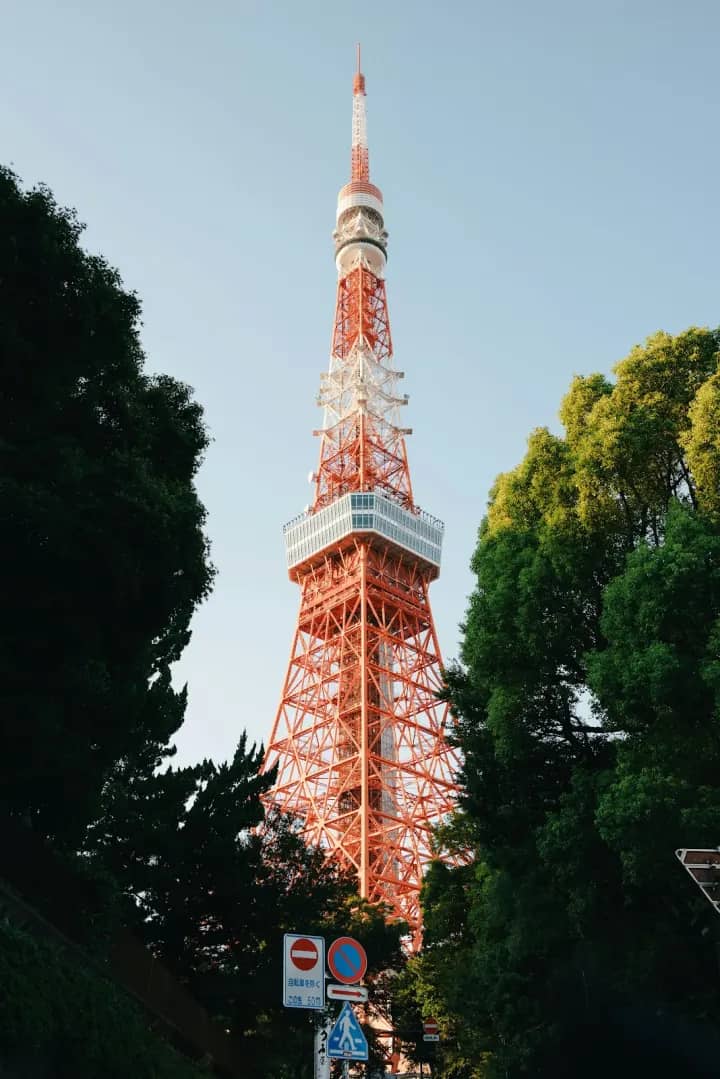
Photo: Kobe waterfront viewed from Harborland, October 8, 2014, by Soramimi, via Wikimedia Commons_20141008-1.JPG), licensed CC BY-SA 4.0. Cropped and compressed; the adapted image remains under that license. This is an archive city photograph, not the 2026 race or its access layout.