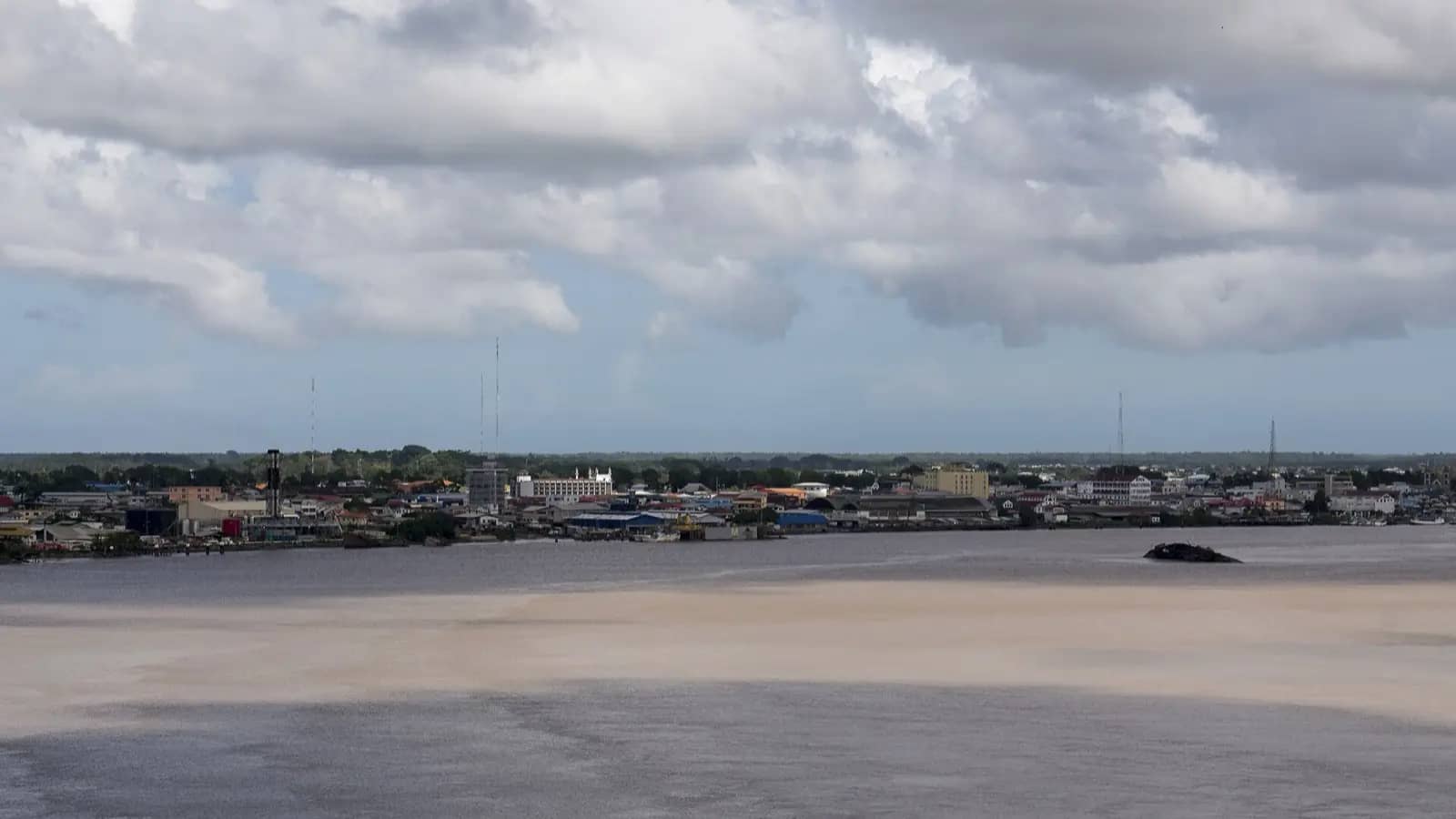
Suriname with kids: attractions, itineraries and family travel tips

Suriname with kids works best for families with school-age children who want a mix of wooden-city heritage, plantation history and rainforest. Five days covers Paramaribo and Commewijne. Seven days can add Jodensavanne. Ten days allows one demanding nature extension to Brownsberg or Galibi, not both.
The main difficulty is transfer quality. Journeys that look short can involve poor roads, small boats, heat and limited facilities. Paramaribo can suit younger children at a slow pace, but the interior is a better fit for children who can follow boat and trail instructions without constant help.
Operational details were last verified on September 3, 2026. Confirm road access, boats, park accommodation, medical cover and seasonal wildlife before booking.
Suriname family decisions at a glance
| Decision | Practical starting point |
|---|---|
| First trip | Paramaribo plus Commewijne |
| Better age fit | 6+ near the capital; 10+ for Brownsberg or Galibi |
| Rental car | A driver or organized tour is more practical outside Paramaribo |
| Child restraint | WHO records a national law applying to children through age 10; confirm the actual seat and belt |
| River travel | Use a known operator and require child-size life jackets |
| Nature extension | Choose Brownsberg for trails or Galibi for a seasonal turtle journey |
| Emergency care | Call 113 or 115 for an ambulance; medical facilities are severely limited |
| Weather | Build a rain day into every route involving unpaved roads or boats |
Nine stops for a Paramaribo and nature route
| Image | Destination or attraction | Best ages | Setting | Allow | Booking need | Best base |
|---|---|---|---|---|---|---|
 | Historic Inner City | 7+ | Outdoor heritage walk | 1.5 to 2.5 hours | Guide useful | Paramaribo |
 | Fort Zeelandia and museum | 9+ | Indoor and outdoor museum | 1 to 2 hours | Confirm opening | Paramaribo |
 | Palmentuin | 4+ | Outdoor park | 30 to 60 minutes | No | Paramaribo |
 | Cathedral Basilica | 7+ | Active church | 30 to 60 minutes | Check services | Paramaribo |
 | Fort Nieuw Amsterdam | 8+ | Open-air museum | 1 to 2 hours | Confirm opening | Commewijne |
 | Peperpot Nature Park | 6+ | Nature paths | 2 to 3 hours | Guide or bikes ahead | Commewijne |
 | Jodensavanne | 10+ | Archaeological site | Half day | Essential | Paramaribo or Para |
 | Brownsberg Nature Park | 10+ | Rainforest trails | 2 nights | Essential | Brownsberg |
 | Galibi Nature Reserve | 10+ | Road, boat and beach | 2 to 3 nights | Essential | Galibi |
Ten questions families ask before Suriname
- How many nights should a family spend in Paramaribo before going inland? 2. Can young children manage the heat on the wooden-city walking route? 3. Which Commewijne stops combine without a rushed road and boat day? 4. Can a driver supply a restraint for every child aged ten or under? 5. Are Peperpot paths usable after rain, and are bicycles available in child sizes? 6. Is Jodensavanne reached by road, boat or both on the selected tour? 7. Does a Brownsberg vehicle handle the final unpaved climb in current conditions? 8. Is Galibi's turtle season active, and can children stay quiet during a night patrol? 9. Which medicines, allergy supplies and drinking water must travel inland? 10. What must be downloaded before mobile coverage weakens?
These questions summarize public traveler discussions and common planning gaps. They are not a representative survey.
Paramaribo in two-hour blocks
Historic Inner City of Paramaribo
Children can compare timber buildings, broad streets and riverside defenses while learning how Indigenous, African, European and Asian histories meet in the capital. The route is exposed to heat and uneven surfaces, so start early and use a guide who can shorten it. Allow no more than two and a half hours with a food or shade break. UNESCO placed the property on the List of World Heritage in Danger in 2026, so treat preservation conditions seriously. Its record was last verified September 3, 2026.
Fort Zeelandia and the Surinaams Museum
Fort Zeelandia gives older children a structured introduction to the country's history, including difficult colonial and political chapters that need adult context. Allow one to two hours. The museum lists a Sunday guided tour, but schedules can change. Confirm language, tickets, toilets, photography and step-free access directly. The museum visitor page was last verified September 3, 2026.
Palmentuin
The palm garden behind the presidential area is a short movement break, not a full attraction day. Younger children can walk under tall palms while adults keep the pace slow. Visit in daylight, keep valuables discreet and do not let children approach animals. Seating, toilets and lighting can vary. Combine it with the cathedral or historic-centre walk. UNESCO's city description was last verified September 3, 2026.
Cathedral Basilica of Saints Peter and Paul
The wooden cathedral helps children notice how local materials shaped Paramaribo's architecture. It remains an active place of worship. Check service times, dress respectfully and ask before photographs. Allow under an hour, with quiet indoor seating as a break from the heat. Confirm step-free entry and toilets on the day. UNESCO's site record was last verified September 3, 2026.
Commewijne as one focused day
Fort Nieuw Amsterdam
The fort and open-air museum introduce the river defenses and plantation-era history of Commewijne. Older children can follow a short route through buildings, cannons and grounds. Some history involves slavery and deserves clear, age-appropriate explanation. Allow one to two hours. Confirm opening, shade, toilets, paths and whether the tour includes a boat crossing. Suriname Travel information was last verified September 3, 2026.
Peperpot Nature Park
Peperpot combines former plantation infrastructure with forest paths where families may see monkeys and birds. Walking or cycling lets children move at their own pace, but rain, mud and mosquitoes change the experience. Ask about bicycle sizes, helmets, guide availability, toilets and food before arrival. Do not promise wildlife sightings. Allow two to three hours. Suriname Travel information was last verified September 3, 2026.
A separate heritage excursion
Jodensavanne Archaeological Site
Jodensavanne preserves the remains of an early Jewish settlement and cemetery alongside the history of enslaved people and Indigenous communities. It is a stronger fit for ages ten and over. Access arrangements can combine road and river travel, so book a known operator and confirm life jackets, shade, toilets and walking surfaces. Allow half a day or more. UNESCO's site record was last verified September 3, 2026.
Choose one demanding nature extension
Brownsberg Nature Park
Brownsberg has rainforest trails, waterfalls and views across the Brokopondo Reservoir. The final access and trail conditions can deteriorate after rain. Use an experienced driver and guide, and plan at least two nights so children do not arrive exhausted and hike immediately. Trails are not stroller-friendly. Confirm lodging, power, drinking water, mosquito nets, toilets and emergency communication. STINASU information was last verified September 3, 2026.
Galibi Nature Reserve
Galibi is a seasonal wildlife journey involving a long road transfer, boat travel and a nighttime beach patrol. It suits older children who can remain quiet around nesting turtles and follow the guide in darkness. Sightings are never guaranteed. Ask about the current season, flotation, boat cover, sleeping arrangements, toilets, meals and medical evacuation. STINASU identifies Baboensanti in Galibi as nesting beach for four threatened turtle species. Information was last verified September 3, 2026.
Five, seven and ten days with one base at a time
Five days: Paramaribo and Commewijne
Rest after the airport transfer on day one. Use day two for a short historic walk and cathedral, day three for Fort Zeelandia and Palmentuin, and day four for Fort Nieuw Amsterdam plus either Peperpot or a second Commewijne stop. Keep day five for weather or departure.
Seven days: add Jodensavanne
Follow the five-day plan and reserve one full day for Jodensavanne. Use the other day for rest or a second Commewijne visit. Do not place a long boat excursion immediately before the international flight.
Ten days: add Brownsberg or Galibi
Choose one nature extension and allow two or three nights. Brownsberg prioritizes trails and forest. Galibi prioritizes seasonal turtle observation and river travel. Families who need dependable medical access should remain near Paramaribo and use shorter nature trips.
From Zanderij airport to child seats on the road
Johan Adolf Pengel International Airport is well outside Paramaribo, so arrange a named driver before arrival and plan the return with a generous traffic buffer. Roads may have poor lighting, hazards and uneven surfaces. Avoid night driving where possible and do not assume a standard city taxi is suitable for interior roads.
WHO records a national child-restraint law and an age threshold of ten years, but says the law does not specify a restraint standard. Ask the operator for the seat type, attachment method and rear-belt condition. Bring a suitable restraint when a reliable local seat cannot be confirmed.
Health, water, meals and rain
CDC recommends yellow-fever vaccination from nine months and reports no indigenous malaria cases since 2021, with mosquito precautions rather than preventive medicine in its current table. Health conditions can change, so take the final route to a travel-health clinician. Dengue, chikungunya and other mosquito-borne risks still matter.
Use sealed or properly treated drinking water unless a current authority confirms the supply. Carry each child's medicines, written allergy details and familiar food for long transfers. Call 113 or 115 for an ambulance. Medical facilities are severely limited, and remote travel needs insurance and accessible evacuation funds.
Useful phone tools in Suriname
- Download Paramaribo, Commewijne and the selected interior route before departure.
- Keep Dutch place names and medical phrases available offline.
- Save operator, driver, accommodation, insurer and emergency contacts on two devices.
- Store boat confirmations, passenger details and weather policies offline.
- Use current weather and road information before Brownsberg or Galibi travel.
Connectivity with a river and rainforest fallback
Mobile data helps with driver coordination, weather checks and ticket messages around Paramaribo. Interior coverage can weaken, so every guide or lodge should provide an offline meeting point and emergency process.
The public catalog currently lists an exact-country Suriname Roaming eSIM. It did not confirm SR in the current South America regional plan, so this page shows only the exact product. Check the selected package's network, data, hotspot support, activation timing and reloadability before purchase.
Roaming eSIM offers more practical value than a generic connectivity news article because families can move from a live Suriname product to package details, compatibility, installation and support. It does not guarantee a signal at Brownsberg, Jodensavanne or Galibi. Save essential maps and contacts offline before leaving Paramaribo.
Commercial searches such as best eSIM for Suriname belong to the Suriname product page. Estimate usage with the travel data calculator, check phone compatibility, read when to install a Roaming eSIM, and save the family setup guide. Families comparing the neighboring mainland route can read Guyana with kids.