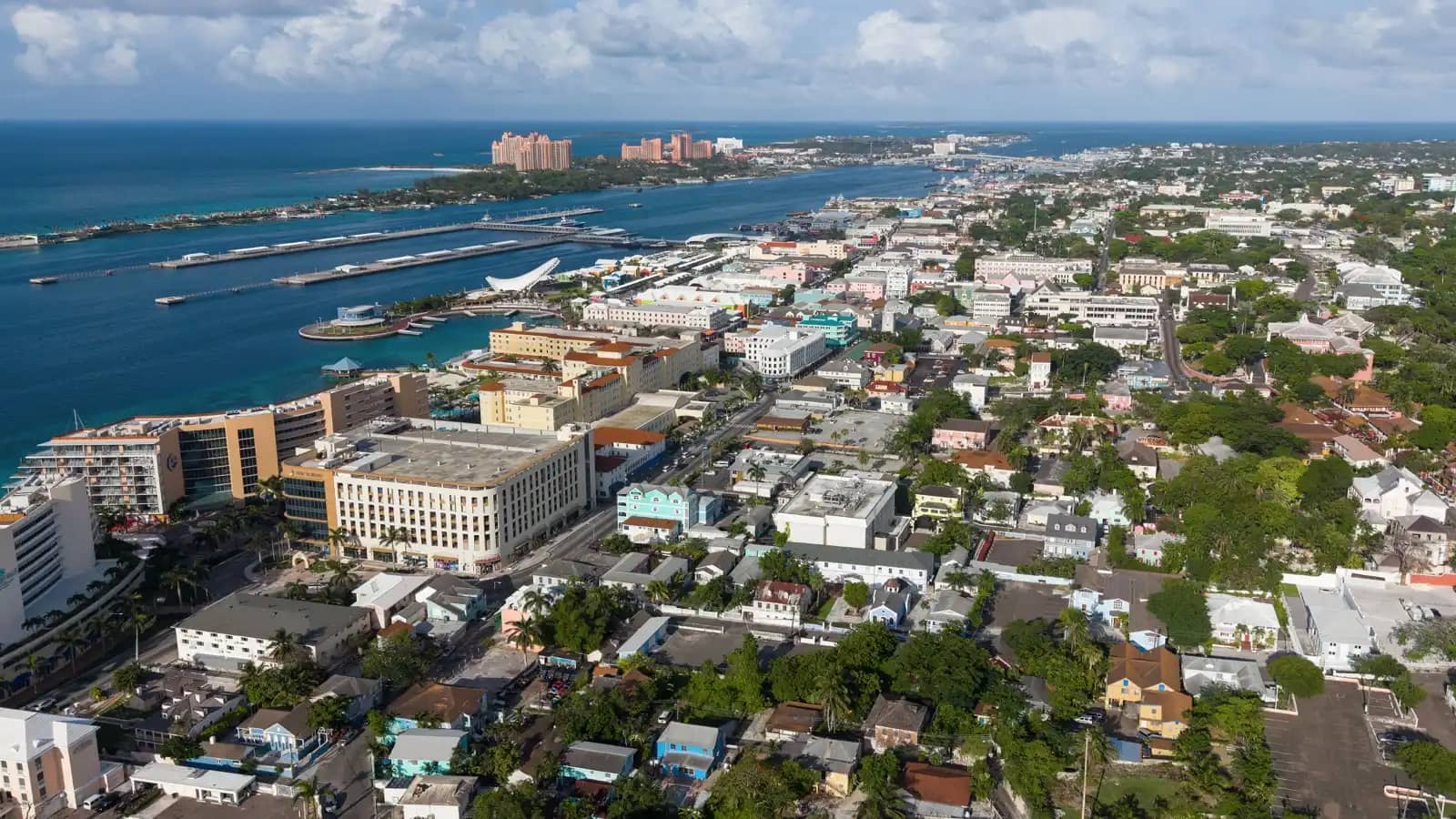
Bahamas with kids: attractions, itineraries and family travel tips

The Bahamas with kids suits families who want warm-water days balanced by nature, art and history, but only after they choose the right island. Five days should stay on one island. Seven days works for one base with slower mornings or one carefully planned transfer. Ten days can support two bases. The main difficulty is not finding activities. It is avoiding a trip that spends too much time in airports, ferry terminals and taxis without a suitable child restraint.
Nassau and Paradise Island offer the deepest activity bench and the easiest access to major medical care. Grand Bahama works for a quieter nature-and-beach trip near Freeport. Eleuthera suits self-sufficient families who accept longer road journeys, fewer indoor fallbacks and more planning for groceries and healthcare. Children aged five to fourteen have the widest choice. Toddlers need fewer transfers, a known sleep space and transport arranged around their own restraint.
This guide does not treat water as automatically safe because it looks calm. Official advice warns about crime in Nassau and Freeport, poorly regulated watercraft, independent jet-ski operators, changing sea conditions and limited medical facilities outside the two main cities. Read the safety gate before choosing an island or tour.
Current Bahamas travel advisory and weather gate
This section was checked on August 28, 2026 and can change without notice.
- The United States lists The Bahamas at Level 2, exercise increased caution due to crime. It says most crime occurs in Nassau and Freeport and flags independent jet-ski and watercraft risks.
- Australia advises a high degree of caution due to violent crime, including in resorts.
- Canada advises a high degree of caution because of high crime rates, especially in Nassau and Freeport.
- The United Kingdom's country guide had no broad warning against travel, but still requires a full review of local risks and entry conditions.
The Bahamas Department of Meteorology displayed no severe-weather watch or warning during research. That is a dated snapshot, not a promise for a future trip. Hurricane season runs from June through November. Check the Bahamas Department of Meteorology, airline, ferry and accommodation before every island transfer, then make sure travel insurance covers delay, cancellation and medical evacuation.
Bahamas family trip at a glance
| Decision | Practical answer |
|---|---|
| Best first-trip length | Five to seven days on one island |
| Best ages for the full route | About 5 to 14; toddlers need one base and shorter outings |
| Best first base | Nassau for activity choice and stronger medical access |
| Quieter alternative | Grand Bahama for nature trails and beach time near Freeport |
| Independent-family option | Eleuthera for a slow road trip with groceries, restraint and backup plans arranged |
| Rental car needed? | Not for a Nassau resort-and-city route; useful on Grand Bahama and usually central to Eleuthera |
| Emergency numbers | 911 or 919 for police, fire or medical emergencies |
| Main planning risk | Treating separate islands as quick neighbourhood changes |
| Weather rule | Keep a cancellable day during June to November and before any boat-dependent outing |
Which Bahamas island fits your family?
| Base | Strongest fit | Main compromise | Choose it when |
|---|---|---|---|
| Nassau and Paradise Island | First visits, mixed ages, museums, wildlife and a waterpark | Crowds, traffic, higher crime precautions and expensive resort activities | The family wants several non-beach fallbacks and short transfers |
| Grand Bahama | Nature trails, a quieter pace and beach facilities around Freeport | Fewer major attractions and a car or arranged ride for the national parks | Children enjoy birds, trails and a beach day more than constant entertainment |
| Eleuthera | Slow road trips, botany and low-key beach time | Long island geography, limited medical depth and fewer wet-weather options | Adults can drive on the left, carry supplies and accept a deliberately quiet plan |
| Exuma | Boat-led marine scenery | Boat dependence, weather exposure and limited land-based fallbacks | Older, confident swimmers have a licensed operator and a clear safety plan |
Exuma is included as a planning branch, not an attraction list. The evidence did not support recommending a generic swimming-pig trip or a one-size-fits-all boat day for children. Operator licensing, animal contact, life-jacket fit, sea state, shade, toilets and minimum ages all need provider-specific confirmation.
Ten Bahamas attractions compared for families
| Image | Destination or attraction | Best age range | Indoor or outdoor | Recommended visit time | Booking requirement | Best base city |
|---|---|---|---|---|---|---|
 | Ardastra Gardens and Wildlife Conservation Centre | 3 to 13 | Outdoor garden and animal areas | 2 to 3 hours | Check current program before arrival | Nassau |
 | National Art Gallery of The Bahamas | 6 to 15 | Indoor galleries and outdoor art park | 1 to 3 hours | No booking for a self-guided family visit | Nassau |
 | Pirates of Nassau Museum | 5 to 12 | Indoor | 45 to 90 minutes | No general reservation required | Nassau |
 | Queen's Staircase and Fort Fincastle | 6 to 15 | Outdoor steps and fort | 1 to 2 hours | Check fort access and tour timing | Nassau |
 | Clifton Heritage National Park | 7 to 15 | Outdoor heritage trail and coast | 2 to 4 hours | Walk-ins accepted; tours can be reserved | New Providence |
 | Aquaventure Water Park | 4 to 15 | Outdoor waterpark | Most of a day | Resort access or day pass required | Paradise Island |
 | Lucayan National Park | 6 to 15 | Outdoor trails, boardwalk and beach | 2.5 to 4 hours | Check current park access | Freeport |
 | Rand Nature Centre | 5 to 14 | Outdoor trails and indoor exhibits | 1.5 to 3 hours | Self-guided; guides by arrangement | Freeport |
 | Taino Beach | 2 to 15 | Outdoor beach and park | 2 to 4 hours | No general entry booking | Freeport |
 | Leon Levy Native Plant Preserve | 6 to 15 | Outdoor trails and boardwalks | 2 to 3 hours | Check current visitor access | Governor's Harbour |
Age ranges and durations are editorial planning judgments, not admission or safety rules. They reflect walking, heat, water exposure, attention span and published visitor formats. The Rand and Leon Levy images show licensed island environments rather than the exact venue. Recheck every official page before travel.
Ten questions families keep asking about The Bahamas
Public discussions consistently return to island choice, car seats, strollers, supplies and whether a second island is worth the transfer. These posts reveal planning problems. They do not establish law, safety or accessibility.
- Nassau or Eleuthera for active children? Choose Nassau when the children need multiple structured activities. Choose Eleuthera when the family is comfortable making beach, nature and slow road days the trip itself.
- Should we bring a stroller? A compact stroller helps in airports, galleries and resort paths. A carrier is often easier on steps, uneven fort surfaces, sand and small ferry docks.
- How do we move from airport to ferry with a child seat? Prearrange both legs and confirm the restraint in writing. A transfer is not solved until the second vehicle and luggage capacity are known.
- Will a Nassau taxi have a car seat? Do not assume it. The law treats taxi-cabs differently, and availability is not guaranteed. Reserve a suitable seat or bring one you can install correctly.
- What should we bring for a baby on a Family Island? Pack enough preferred formula, medication, diapers and specialty food to absorb a delay. Do not assume a small shop stocks the same brand or size.
- Is seven to ten days too long? Not when the pace is slow. It becomes tiring when the schedule adds two or three islands merely to fill days.
- Are the Family Islands too quiet? They can be for children who expect organised attractions every day. Quiet is the product, so choose it deliberately.
- Can we use a golf cart with a toddler? Do not treat a golf cart as a substitute for a properly restrained road vehicle. Confirm local rules, vehicle belts and insurance before planning around one.
- Which beach is safe for young children? No beach is safe by label alone. Check flags, lifeguard coverage, currents, shore break, watercraft traffic and the child's swimming ability that day.
- Should we island-hop after a long international flight? Usually not on arrival day. Sleep near the arrival airport or book a connection with enough margin for immigration, bags, feeding and delay.
Nassau and Paradise Island: the strongest first-trip base
Ardastra Gardens and Wildlife Conservation Centre
Children follow garden paths, see more than 200 animals and watch the centre's flamingo program when it is running. Ages three to thirteen have the clearest fit. Allow two to three hours, including water and a quiet break. A young child may be satisfied after the flamingos and a short animal circuit.
This is an outdoor tropical garden, not a sealed, level zoo concourse. Use a compact stroller with capable wheels, and ask the venue about the current step-free route when wheelchair access or a sleeping toddler matters. The public page does not document every path gradient or changing station.
Toilets and visitor facilities are available within the attraction, but exact changing and feeding spaces should be confirmed. Carry water, insect repellent and sun protection. Morning is generally easier than the strongest afternoon heat. Rain can make garden paths less comfortable, while cruise-ship days can increase visitor pressure.
Check the current animal and presentation schedule before leaving the hotel. A direct taxi is more practical than walking from downtown with small children, but arrange the child restraint separately. Use the official Ardastra listing. Official details checked August 28, 2026.
National Art Gallery of The Bahamas
Children can choose a colour, symbol or Bahamian story to trace through the galleries, sketch with pencil and use the sculpture garden as a short movement break. Ages six to fifteen are the strongest fit. Allow one to three hours, depending on exhibitions and whether a workshop is running.
The gallery publishes elevator access to all gallery floors. It also warns that the outdoor Art Park is unpaved and hilly, so a stroller or wheelchair route should focus on the building unless the family confirms conditions. Children under twelve are welcome but must be supervised.
Public restrooms, indoor and outdoor seating, quiet spaces and free Wi-Fi are listed. There is no cafe on site, and food and drink are not allowed in galleries. Eat before the visit or use a nearby restaurant rather than asking a hungry child to extend the museum.
A self-guided family does not need to book. Check the exhibition labels because some work may contain mature content. The gallery is on West and West Hill Streets; use a taxi or combine it with a short, daylight downtown route. Read the NAGB visitor FAQ. Official details checked August 28, 2026.
Pirates of Nassau Museum
Children walk through recreated pirate environments with sound, light, objects and explanatory panels. Ages five to twelve are the clearest fit, especially children who enjoy theatrical displays more than long text. The official tourism listing says the self-guided route takes about 30 minutes; allow 45 to 90 minutes for questions and the gift shop.
The indoor route is a useful rain or heat fallback, but dark spaces and battle effects may unsettle sensitive children. Ask the museum about steps, narrow passages and wheelchair access before arrival. A compact stroller may be less useful inside a ship-like reconstruction than a carrier.
The official listing confirms a gift shop but does not publish a complete toilet, seating or changing-facility map. Plan a bathroom and snack stop in downtown Nassau before entering. This is a short attraction, not a half-day babysitter.
General reservations are not required, but hours can change. Walk only along a planned daylight downtown route, keep belongings close and use a licensed taxi when the next stop is not nearby. Check the official tourism listing for Pirates of Nassau. Official details checked August 28, 2026.
Queen's Staircase and Fort Fincastle
Children climb the limestone-cut staircase, look at the fort's shape and cannons, then map the harbour from the hill. Ages six to fifteen are the clearest fit. Allow one to two hours. Use the route to discuss who cut the steps and the history of enslavement rather than presenting the site as a decorative photo stop.
The staircase is the central access challenge. A stroller does not solve dozens of steps, wet stone or uneven fort surfaces. Families needing a step-free approach should contact the site and arrange vehicle access near Fort Fincastle instead of assuming the classic stair route will work.
Shade exists within the limestone cut, but heat and humidity still matter. Toilets, food, changing facilities and seating are not comprehensively documented across the paired visit. Use facilities before arrival and carry water. Wet steps and crowded photo points are reasons to shorten the route.
Check fort access and any guided program before setting out. The complex is close to central Nassau, but a licensed taxi reduces exposed walking and lets a family start at the more practical end. Review the official Queen's Staircase page and Fort Fincastle page. Official details checked August 28, 2026.
Clifton Heritage National Park
Children follow a guided heritage story across Lucayan, Loyalist and African history, see ruins and move through a coastal landscape. Ages seven to fifteen have the strongest fit because the standard heritage visit involves substantial walking and complex history. Allow two to four hours, not counting a separate beach or snorkel activity.
The park says its heritage tour lasts about two hours and covers roughly one mile. That is not proof of a stroller-friendly or wheelchair-complete route. Ask about the exact trail, gradients, transport assistance and accessible toilet before booking. A carrier can be more practical than a stroller on uneven ground.
The park advises visitors to eat and hydrate before the tour. Shade varies, and the coast adds sun and wind exposure. General tours accept walk-ins, while reserved passes reduce uncertainty. The site says its busiest period is Friday through Sunday from midday into the afternoon, which also overlaps with stronger heat.
Clifton is in southwestern New Providence, so use a licensed taxi, booked driver or rental car. Do not attach an independent watercraft rental to the day. Book any snorkel activity separately with age, life-jacket, supervision and weather rules confirmed. Read the official Clifton visit page. Official details checked August 28, 2026.
Aquaventure Water Park
Children use pools, a play zone and slides that match their height and swimming ability. Ages four to fifteen can find something suitable, but the headline slides require riders to be at least 48 inches tall. Infants and toddlers are not permitted in the Rapids River. Allow most of a day only when the family will use enough of the park to justify the cost and stimulation.
The site is large. A stroller helps with distance and naps, while it cannot enter ride queues or water. Atlantis publishes an access guide, but individual rides have transfer and medical restrictions. Ask guest services about the exact step-free route, water-entry aids and a quiet rest location before purchase.
Toilets, food, shade and seating are distributed across the resort, yet distance matters when a child needs them immediately. Establish one meeting point and one shaded recovery base. Use water shoes where allowed, reapply sun protection and stop before fatigue changes judgment around water.
Access comes with an eligible resort stay or a day pass, and availability can sell out. Check height restrictions with shoes off before promising a particular slide. Paradise Island is connected by road bridge from Nassau; use resort transport or a licensed taxi with the restraint arranged. Read the official Aquaventure page and waterpark rules. Official details checked August 28, 2026.
Grand Bahama: nature and beach days from Freeport
Lucayan National Park
Children cross boardwalks through different Bahamian habitats, look into the cave area and continue toward Gold Rock Beach when conditions permit. Ages six to fifteen have the strongest fit. Allow two and a half to four hours, including the trail, visitor centre and a cautious beach stop.
The Bahamas National Trust lists boardwalks, trails, restrooms and a visitor centre. Those features do not prove every cave stair, beach approach or boardwalk is accessible. Ask the park about the exact current route after storms or maintenance. A compact stroller may work on some boardwalks but not on cave steps or sand.
Carry water, insect repellent, sun protection and a dry bag. The beach is not a supervised pool. Check sea state, flags and local instruction before anyone enters. Do not let children enter caves or water beyond the public route, and do not turn the visit into an unsupported cave swim.
The park is east of Freeport, so a rental car or prearranged driver is practical. BNT says guides are available by arrangement. Confirm the operating day because public pages have shown different schedules, and use the park's current notice as the deciding source. Read the official Lucayan National Park page. Official details checked August 28, 2026.
Rand Nature Centre
Children follow forest trails, identify native plants, look for birds and use the visitor-centre exhibits to understand the island's ecosystems. Ages five to fourteen are the clearest fit. Allow one and a half to three hours. Give each child a small spotting task rather than expecting a continuous nature lecture.
BNT lists trails, restrooms, a visitor centre, benches and a warden. Trail surfaces still change with rain and maintenance. Ask about the current shortest loop and mobility route. A sturdy compact stroller can help on a firm trail, but a carrier remains the backup for roots or soft ground.
The entrance building contains exhibits, a shop and restrooms. Bring water and insect repellent; do not rely on a full meal service. Morning is useful for heat and bird activity. Rain can make the path less comfortable, while October through May is the published peak for migratory birds.
The centre is near Freeport and works well before lunch, not as an add-on after a long beach day. Self-guided walks are normal and guides are by arrangement. Check the current operating window before driving. Read the official Rand Nature Centre page. Official details checked August 28, 2026.
Taino Beach
Children use the playground, sit at picnic areas and enter the beach only when the day's water conditions suit their ability. Ages two to fifteen can use the park differently. Allow two to four hours, with a firm exit before heat, hunger or rough water takes over.
The official listing confirms restroom facilities, playground equipment, seating and a nature trail. It does not establish a fully step-free route from every parking point to the sand or into the water. A stroller helps around the park, but beach wheels or a carrier may be needed for sand.
Bring shade, drinking water and a complete sun plan even when seating exists. Check for lifeguards and warning flags on arrival. Keep children away from moving watercraft, and never infer gentle conditions from a photograph or yesterday's forecast.
No general entry booking is described. Use a rental car or licensed taxi from Freeport and confirm the return ride before the family is wet and tired. Pair the beach with one short nature visit, not another cross-island drive. Read the official Taino Beach page. Official details checked August 28, 2026.
Eleuthera: one slow nature anchor
Leon Levy Native Plant Preserve
Children follow trails and boardwalks through native plants, a mangrove wetland and traditional bush-medicine interpretation. Ages six to fifteen have the strongest fit because the value comes from observation rather than rides. Allow two to three hours and choose one trail goal.
BNT lists boardwalks, trails, a visitor centre and an active warden. That does not guarantee every trail or tower works for a stroller or wheelchair. Contact the preserve about the exact access route and current surface. A carrier is useful when a young child tires away from the entrance.
Carry water, insect repellent and sun protection. Ask about toilet and food availability before setting out, especially with a toddler. Heat and mosquitoes can shorten the visit, while rain may change trail conditions. Do not touch or collect plants.
The preserve is near Governor's Harbour and belongs within an Eleuthera road-trip day, not a rushed same-day hop from Nassau. Use a rental car with the correct restraint or a confirmed driver. Check current access before the drive. Read the official Leon Levy Preserve page. Official details checked August 28, 2026.
Realistic Bahamas itineraries with children
Five days: stay on one island
For a first trip, base in Nassau or Paradise Island. Use arrival day for groceries, restraint setup and a short walk near the accommodation. Choose Ardastra on day two, the National Art Gallery plus one short downtown stop on day three, a full rest or beach day on day four, and either Aquaventure or Clifton on day five. Do not fit both major days into one schedule.
For Grand Bahama, use Freeport as the base. Put Rand Nature Centre and Taino Beach on separate mornings, then give Lucayan National Park its own weather-checked day. Keep two flexible blocks for beach conditions, meals and rest.
Seven days: add recovery, not another checklist
Use the five-day Nassau plan with a dedicated pool or beach day and one second cultural morning. The Queen's Staircase and Pirates of Nassau can share a daylight heritage day only if the heat, traffic and children allow it. Keep the following morning slow.
A one-way move to Grand Bahama or Eleuthera can work, but it consumes meaningful time. Use a domestic flight where it fits the route, treat departure and arrival as the day's main event, and book at least three nights at the second base. Do not plan a ferry arrival, rental-car collection and major attraction on the same afternoon.
Ten days: two bases maximum
Spend four or five nights in Nassau, then four nights on Grand Bahama or Eleuthera. Insert one transfer day and one weather-buffer day. On Grand Bahama, choose Lucayan, Rand and Taino as three separate anchors. On Eleuthera, use Leon Levy as one nature morning and build the rest around carefully selected beaches, groceries and sleep.
Do not add Exuma simply because ten days sounds long. A third base creates another baggage, restraint, weather and medical-access handoff. If Exuma is the family's central goal, make it the second base and verify every boat operator rather than adding it as a hurried excursion.
Getting around The Bahamas with children
Airport to Nassau
Lynden Pindling International Airport lists licensed taxis outside its terminals and publishes zone-based fares. It also publishes passenger and luggage surcharges, which helps families ask for the full total before leaving. The taxi page does not promise a child restraint.
Prebook when a rear-facing seat, high-back booster, wheelchair space or unusually large luggage load is required. Confirm the exact equipment, not merely a message that says car seat available. Keep the accommodation address, driver's contact and a second licensed option offline.
Taxis, buses and rental cars
Nassau's jitney minibuses can suit a light-luggage daylight trip, but they are not the best default for every family. Stops, folding a stroller, heat and an uncertain child restraint can remove the convenience. Licensed taxis are more direct. Ride-hailing assumptions from another country should not be imported into The Bahamas.
A rental car is unnecessary for a resort-centred Nassau visit and useful for Clifton or a wider New Providence plan. It is more important on Grand Bahama and Eleuthera. Traffic drives on the left. Check insurance, roadside support, spare-tire condition and the restraint installation before leaving the lot.
Child passenger law and the taxi exception
The Bahamas Road Traffic Act says a child under 20 pounds must use a rear-facing infant seat; a child from 20 to under 40 pounds must use a convertible seat; and a child over 40 pounds or up to 4 feet 9 inches must use a booster. A child taller than 4 feet 9 inches and aged 8 to 12 must use a seat belt.
Section 42C(3) expressly excludes taxi-cabs from the driver's responsibility for that child-restraint schedule. This legal exception is not evidence that an unrestrained taxi ride is safe. Parents should reserve a vehicle with the correct restraint or bring one they can install according to its instructions. Read the current Road Traffic Act before relying on this summary.
Inter-island flights and ferries
Domestic flights often save time compared with sea travel, but check baggage limits, stroller handling and the operating airport. The official tourism flight page lists routes, not a guarantee that a particular service runs on your date.
Bahamas Ferries asks passengers to check in one hour before departure and qualifies its schedule with weather permitting. Treat that wording seriously. Pack medicine, one meal, water, wipes and a change of clothes where an adult can reach them. Do not book a non-refundable attraction immediately after a ferry arrival.
Island logistics families should settle before booking
When to go and what peak weeks change
December through April generally offers lower humidity and less hurricane risk, while also bringing stronger demand and school-holiday crowds. Late spring can be warmer with fewer peak-season pressures. June through November requires a disruption plan for tropical weather. The correct week depends on official forecasts, sea conditions and the family's tolerance for heat.
Meals and groceries
Conch, fish, rice, peas, plantain, johnnycake and simple grilled dishes can work for families, but ask about shellfish contact, spice and cross-contamination. Resort dinner times can run later than a young child wants. Use a substantial breakfast, carry a familiar snack and keep one low-effort meal option near the accommodation.
On a Family Island, buy supplies early and do not expect a Nassau-sized selection. Bring essential formula, allergy-safe food and medication. Keep food cool during a road day and never leave it in a hot vehicle.
Medical care is not equal across the islands
Call 911 or 919 for police, fire or medical emergencies. Official advice says medical care is of a reasonable standard in Nassau and Freeport but limited elsewhere. Serious illness or injury may require evacuation to the United States. Carry insurance that covers the destination, activities and medical evacuation, plus the child's prescriptions and a short medical summary.
Save the nearest suitable clinic and insurer number before moving islands. A small island's pharmacy may not carry a child's exact medication, formulation or dose. Do not delay urgent care while trying to preserve an itinerary.
Drinking water, sun and insects
Water quality and plumbing can vary by island and property. Ask the accommodation for current drinking-water guidance. When safety is uncertain, use factory-sealed water for drinking and preparing infant feeds. The CDC recommends safe food and water habits and identifies dengue and Zika as mosquito-borne risks in The Bahamas.
Use repellent appropriate for the child's age, long light clothing when practical and screens at the accommodation. Sand and water reflect ultraviolet radiation, so shade, clothing and sunscreen all matter. Schedule exposed walks outside the strongest part of the day.
Accessibility questions to ask
Ask about the route from vehicle to entrance, step-free access, lift reliability, accessible toilet, beach mat, water-entry aid, quiet space and evacuation plan. A venue can have an accessible building and an inaccessible garden, beach or cave route. This guide separates published features from assumptions for that reason.
Put these live tools and offline files on both phones
- Airline app: install the operating airline's app and save the booking for schedule changes.
- Bahamas Department of Meteorology: save the official site to the home screen and check marine or severe-weather notices before boats and beaches.
- Offline maps: download Nassau, Freeport or the Eleuthera driving area before arrival. Save the correct entrance, not only the attraction name.
- Bahamas Ferries website: save the live booking and schedule page if the route uses a ferry.
- Family messaging: agree on one group chat, one meeting point and one adult who holds the offline documents.
- Government travel alerts: enrol in the service offered by the family's nationality where available.
Store passports, insurance, prescriptions, tickets, restraint instructions and emergency contacts on both adults' phones. A screenshot remains useful when a login, signal or battery fails.
Staying connected without making the guide an advert
A working phone helps a family reopen a boarding pass, check a marine alert, contact a driver and coordinate when adults split up at a waterpark. Download the essential version of each plan first. Mobile data cannot make a ferry sail, a taxi carry the correct restraint or a beach safe.
The Bahamas Roaming eSIM page is the commercial owner for best eSIM for Bahamas, best eSIM for the Bahamas and current Bahamas eSIM plan comparisons. Keeping those searches on one page prevents this family guide from competing with the product route.
The public catalog showed nine Bahamas packages on August 28, 2026. The visible coverage fields named aliv and BTC 4G networks. Eight packages supported top-up and one did not, so only an eligible plan can be topped up. Daily packages showed a high-speed allowance followed by reduced speed, while the exact allowance and refresh rule belong on the selected plan card.
Roaming eSIM's practical edge over a generic travel headline is the live country plan selector, package-specific top-up field, installation guidance and a direct support route. A news or inspiration page can surface an island, but it does not make those package terms visible. Roaming eSIM still does not replace the official travel advisory, weather service or an offline plan.
Only one product card appears because the public destination catalog did not show a regional plan whose published coverage list contained The Bahamas. That is more useful than implying coverage from a Caribbean or North America label. Before purchase, check phone compatibility, read when to install a Roaming eSIM, and estimate likely use with the travel data calculator.
Compare another warm-weather family route
For another warm-weather family decision, use the established Mexico with kids, Costa Rica with kids and United States with kids pages. Each keeps its own country intent and should not compete with this Bahamas guide.
Review this page before the winter travel season, throughout hurricane season, and after any material change to the advisory, Road Traffic Act, ferry system, venue access or Bahamas package catalog.