Chile with kids: attractions, itineraries and family travel tips

Chile with kids works best for families prepared to choose, not collect, regions. Five days suits Santiago and the central coast. Seven days supports Santiago plus Atacama or the Lake District. Ten days can add Patagonia, but trying to combine Atacama and Torres del Paine turns the holiday into a chain of airports.
The main difficulty is distance. Chile stretches across several climates, while the places that look adjacent on a small map can require a flight and another road transfer. Toddlers usually do better with Santiago and one lower-elevation nature base. Older children can manage a desert or Patagonia block if the plan leaves room for weather and slow mornings.
Chile family trip at a glance
| Decision | Practical answer |
|---|---|
| Best first-trip length | Seven days for Santiago plus one nature region |
| Easiest first route with toddlers | Santiago, Vina del Mar and the Lake District |
| Rental car needed? | No in Santiago; useful in the Lake District and for some Patagonia routes |
| Main planning risk | Booking Atacama, the Lake District and Patagonia in one short trip |
| High-altitude decision | San Pedro is already high; do not make an altiplano excursion the first family activity |
| Booking priority | Domestic flights, national parks and Valle de la Luna before flexible city stops |
What families are asking about Chile
Ten recurring questions in recent public travel discussions shaped this guide:
- Is San Pedro de Atacama sensible with a baby or young child?
- Should a family self-drive in Atacama, and can a rental company supply the right child seat?
- Is Santiago worth several nights, or should the family head straight to nature?
- Can Santiago and Vina del Mar be combined without moving hotels?
- Is the Lake District easier than Patagonia for toddlers?
- Which Torres del Paine walks avoid an all-day hike?
- Will a stroller work at desert viewpoints, waterfalls and caves?
- How much weather buffer is needed for Patagonia flights and park days?
- Do national-park tickets need to be purchased before arrival?
- Is ten days enough for Santiago, Atacama and Patagonia?
The last answer is usually no at a child-paced rhythm. The leading search results provide broad inspiration, private itineraries or long first-person trips, but few compare every stop by age, mobility, toilets, booking and nearest useful transport. This guide makes those tradeoffs visible.
Chile family attractions compared
| Image | Destination or attraction | Best age range | Setting | Allow | Book ahead? | Best base |
|---|---|---|---|---|---|---|
 | Museo Interactivo Mirador | 3 to 14 | Mostly indoor | 3 to 4 hours | Yes | Santiago |
 | Teleferico de Santiago | 4 to 15 | Outdoor ride | 2 to 3 hours | Recommended | Santiago |
 | Museo Nacional de Historia Natural | 4 to 15 | Indoor | 1.5 to 3 hours | Usually no | Santiago |
 | Parque Bicentenario de Vitacura | 1 to 12 | Outdoor | 1.5 to 3 hours | No | Santiago |
 | Museo Fonck | 5 to 14 | Indoor | 1 to 2 hours | Check current entry | Vina del Mar |
 | Valle de la Luna | 7 to 15 | Outdoor desert | 3 to 4 hours | Yes | San Pedro de Atacama |
 | Museo del Meteorito | 5 to 15 | Indoor | About 50 minutes | Usually no | San Pedro de Atacama |
 | Saltos del Petrohue | 5 to 15 | Outdoor paths | 1.5 to 3 hours | Yes | Puerto Varas |
 | Museo Colonial Aleman | 5 to 15 | Indoor and outdoor | 1.5 to 2.5 hours | Check current entry | Frutillar |
 | Cueva del Milodon | 5 to 15 | Outdoor cave circuit | 1.5 to 3 hours | Yes | Puerto Natales |
 | Torres del Paine National Park | 7 to 15 | Outdoor | Full day | Yes | Puerto Natales or inside park |
The age ranges are editorial planning judgments, not admission rules. A child's response to altitude, wind, long drives and uneven ground matters more than age alone.
Santiago: build in one indoor day
Museo Interactivo Mirador
Children make, test and manipulate exhibits rather than follow a quiet display route. It is strongest for ages three to fourteen, with enough variety for siblings who do not share the same interests. Allow three to four hours and avoid placing another major museum after it.
The campus is more manageable for a compact stroller than central Santiago's crowded pavements, but families needing a guaranteed step-free route or accessible toilet should confirm it with the museum before buying. Toilets, seating and food options are available within the visitor complex. The indoor emphasis makes MIM useful in rain, winter cold or strong summer sun.
Purchase dated admission through the official portal, especially for weekends and school holidays. Pedrero on Metro Line 5 is the nearest useful rail reference, followed by a local bus, taxi or app ride. Save the return route before entering because a tired child can make a multi-step connection feel much longer.
Official MIM ticket information. Official details checked August 22, 2026.
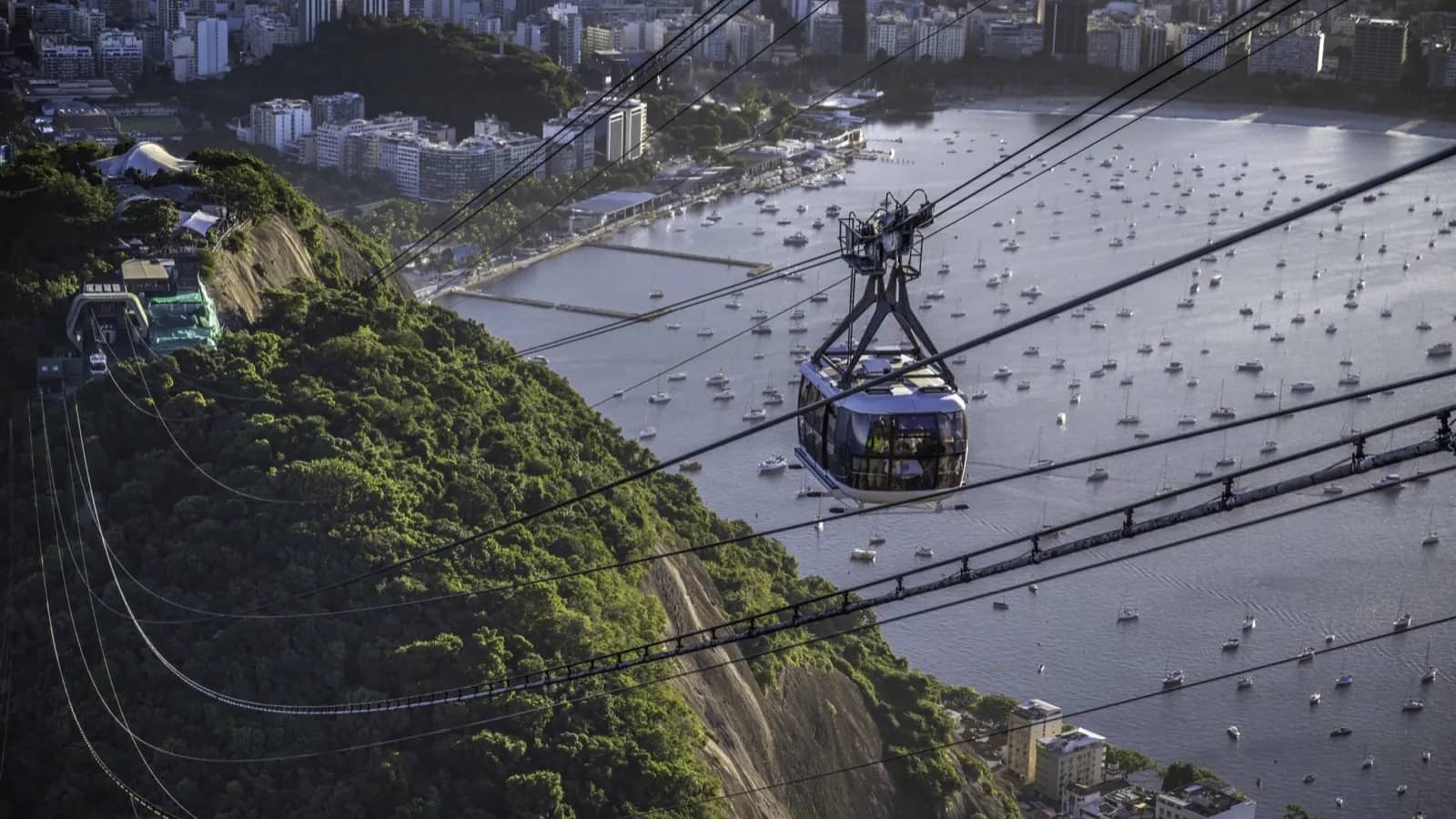
Teleferico de Santiago
Children ride above Parque Metropolitano and watch the dense city open toward the Andes. It suits ages four to fifteen and takes two to three hours when the family uses the gondola as the main activity rather than trying to cover every hilltop attraction.
Cabins and principal stations support easier boarding than the park's steep paths, but families should confirm the exact wheelchair or stroller route for their chosen station. Toilets, food and seating are concentrated at station areas. Sun, haze, wind and winter closures can change the value of the ride, so check conditions before leaving.
A dated ticket reduces queue risk on weekends. Pedro de Valdivia on Metro Line 1 is the useful city reference for the Oasis station connection. The funicular's official access information also identifies Baquedano as a reference for the Pio Nono side. Decide which end you will use before the family boards.
Official Teleferico de Santiago information. Official details checked August 22, 2026.
Museo Nacional de Historia Natural
Children see Chilean natural-history collections, including animals, fossils and the country's varied ecosystems. It works from about age four and takes one and a half to three hours. The museum is a good recovery plan after a flight or on a rainy afternoon because the visit can be shortened without losing a reservation.
The official visitor page lists an access ramp and bathrooms. A compact stroller works better here than on a park trail, although families should ask about lifts and any temporarily closed gallery. Quinta Normal provides outdoor space, food choices, shade and benches immediately around the museum.
General admission is free and the museum says no reservation is required for an ordinary visit. Quinta Normal station on Metro Line 5 is beside the park and is the clearest transport connection in this guide. School groups and holiday crowds can still make a weekday morning preferable.
Official Museo Nacional de Historia Natural visitor information. Official details checked August 22, 2026.
Parque Bicentenario de Vitacura
Young children use age-specific play areas while older siblings can walk or cycle around lawns and the artificial lagoon. The municipality identifies one play zone for ages one to six and another for ages five to twelve. Allow one and a half to three hours, ideally as unscheduled movement between formal attractions.
Wide main paths suit a stroller better than Santiago's older streets, though individual play surfaces may not be step-free. The park has seating, shade, cafes, ice cream and a restaurant in the wider grounds. Locate toilets on arrival rather than waiting until the far end. Summer afternoons can be hot and exposed.
There is no entry booking. The park does not sit beside a Metro station, so a bus, taxi or app ride is more practical with small children. Ask to be dropped near the chosen play area instead of treating the full 27-hectare park as a required walk.
Official Vitacura park information. Official details checked August 22, 2026.
Central coast: use Vina del Mar as the easy base
Museo Fonck
Children can compare natural-history displays, archaeological collections and a full-size moai outside without committing to a large museum day. It suits ages five to fourteen and takes one to two hours. This is a practical rain or quiet-time stop between beach walks.
The compact building is easier than Valparaiso's hills, but families who need step-free access, a lift or an accessible toilet should contact the museum because older interiors can limit the route. Toilets and seating are available; cafes and food are easy to find in central Vina del Mar. There is little reason to carry a large stroller inside.
Check current admission and opening information before the day because schedules can change by season. Vina del Mar station is the useful Merval rail reference, followed by a short local connection or walk. Avoid forcing a steep Valparaiso sightseeing loop into the same afternoon with a toddler.
Official Museo Fonck visitor information. Official details checked August 22, 2026.
Atacama: altitude comes before the attraction list
Valle de la Luna
Children walk between salt and rock formations and see how light changes the desert. It is best for sure-footed children from about seven who have already had an easy first day in San Pedro. Allow three to four hours, including the vehicle circuit and short walks.
A stroller is not a dependable option on sand, rock and exposed viewpoints. Official destination information lists bathrooms, a rest area and coffee service, but shade is limited and facilities are not beside every stop. Carry water, sun protection and warm layers because desert temperature changes are sharp.
Book a timed ticket in advance. The official destination page says visitors need a motor vehicle and cannot enter on foot; it places the site about 13 kilometres, or roughly 20 to 25 minutes, from San Pedro. Confirm seasonal entry times and any weather restriction before driving.
Official San Pedro de Atacama destination information. Official details checked August 22, 2026.
Museo del Meteorito
Children handle the idea of space through meteorite specimens, audio stations and a sensory display. It suits ages five to fifteen and the museum estimates about 50 minutes for a visit. That modest duration is valuable after a dusty excursion or during the warmest part of a San Pedro afternoon.
The visit is mainly indoors and more stroller-friendly than desert paths, but confirm doorway widths and the accessible toilet if they are essential. Seating and toilets are easier to plan here than at remote viewpoints; food is available back in central San Pedro. Crowds can make a small exhibition feel tight.
The museum says ordinary visits do not require reservations and currently opens Tuesday to Sunday in the late afternoon. Recheck the day's schedule rather than building a flight connection around it. The museum is in San Pedro and is reached on foot or by a short local ride from most central accommodation.
Official Museo del Meteorito information. Official details checked August 22, 2026.
Lake District: use Puerto Varas for flexible weather days
Saltos del Petrohue
Children follow short viewpoints beside fast turquoise water, with volcanic scenery when cloud allows. It works from about age five and takes one and a half to three hours. Treat the waterfalls as the day's fixed stop, then add another activity only if weather and energy cooperate.
Principal visitor paths are more contained than a long hike, but wet surfaces, steps and crowd pinch points can make a stroller awkward. CONAF lists visitor services and first aid in Vicente Perez Rosales National Park. Toilets, food and shelter are concentrated near managed areas, not along every viewpoint.
Buy park admission through Pases Parques and check the CONAF page for current road or weather notices. Public buses connect Puerto Varas with Ensenada and Petrohue, while a rental car offers easier control over child seats and rain stops. Do not continue toward mountain roads when official notices require equipment the family does not carry.
Official Vicente Perez Rosales National Park information. Official details checked August 22, 2026.
Museo Colonial Aleman de Frutillar
Children move between furnished historic buildings, gardens and a working landscape that explains German settlement around Lake Llanquihue. It suits ages five to fifteen and takes one and a half to two and a half hours. The outdoor space gives restless children a break from display rooms.
Garden paths and historic thresholds create a mixed stroller and wheelchair route, so contact the museum for the precise accessible circuit. Toilets, benches and food are easier to find in Frutillar Bajo, but families should not assume changing facilities inside every heritage building. Rain is common even in summer, and the grounds can stay wet.
Check current admission and opening details through the Universidad Austral de Chile museum network. Frutillar bus stops are the public transport reference; from Puerto Varas, a car or direct bus makes this a half-day outing. Combine it with the lakeside, not a second long road trip.
Official Universidad Austral de Chile museum information. Official details checked August 22, 2026.
Patagonia: one cave and one weather-buffered park day
Cueva del Milodon
Children enter a huge rock shelter and connect the landscape with the prehistoric ground sloth found there. It suits ages five to fifteen and takes one and a half to three hours, depending on which open circuit the family chooses.
The principal cave approach is shorter than a mountain hike, but wind, gravel and uneven surfaces make a carrier safer than a stroller for young children. Toilets and managed visitor facilities are near the entrance; carry snacks, water and warm waterproof layers because food and seating are limited on the trail itself.
Buy admission through Pases Parques and review current CONAF notices. The monument is about 25 kilometres from Puerto Natales, so a rental car, taxi or organized transfer is practical. A limited sector closure listed through December 31, 2026 does not close the main circuit, but families should still recheck before travel.
Official Cueva del Milodon information. Official details checked August 22, 2026.
Torres del Paine National Park
Children can watch guanacos, stop at lake viewpoints and complete one short marked walk without attempting the Base Torres trek. This plan best suits ages seven to fifteen. Allow a full day from Puerto Natales. Younger children can enjoy selected viewpoints if the family accepts more time in the vehicle.
A stroller is unreliable on most nature paths. Choose a carrier, keep both adult hands free and verify the exact route at the entrance. Toilets, food, shelter and seating are separated by long drives, so use them when available rather than assuming the next stop is close. Wind can make a mild forecast feel severe.
Buy park entry through Pases Parques and monitor CONAF conditions. Current winter information requires an authorized guide for the Base Torres route, which is not the route recommended here. From Puerto Natales, a guided day trip or rental car gives families the clearest transport plan, but weather and road delays require a spare day before the onward flight.
Official Torres del Paine National Park information. Official details checked August 22, 2026.
Realistic Chile family itineraries
Five days in Chile: Santiago and the central coast
Use arrival day for food, rest and a nearby playground. Spend day two at MIM. On day three, pair the natural-history museum with Quinta Normal or choose the cable car if visibility is good. Make Vina del Mar a day trip or one-night coast stay on day four. Keep day five close to Santiago before departure.
With a toddler, replace one museum with Parque Bicentenario and keep the same bed every night. Do not add a domestic flight merely because five calendar dates look spacious.
Seven days in Chile: Santiago plus one nature region
Use three nights in Santiago, then choose one branch:
- Fly north for three nights in San Pedro de Atacama, keeping the first afternoon easy and selecting Valle de la Luna before any higher excursion.
- Fly south for three nights around Puerto Varas, using Saltos del Petrohue and Frutillar as separate weather-flexible days.
- Fly to Puerto Natales for four nights only if the family prioritizes Patagonia and can preserve a weather buffer.
The Lake District is usually the gentler choice for toddlers because it avoids Atacama's elevation and Patagonia's very long park day.
Ten days in Chile: Santiago and one deeper region
For Atacama, use three Santiago nights, four around San Pedro and a final Santiago buffer. Do not schedule a high-altitude lagoon tour on the first desert day.
For the Lake District, use three Santiago nights, four around Puerto Varas or Frutillar and two flexible nights for Chiloe or another lakeside base. Keep one rainy-day swap available.
For Patagonia, use two or three Santiago nights, four around Puerto Natales, one Cueva del Milodon half day and one or two Torres del Paine opportunities. A second park date is a weather safeguard, not an instruction to complete a harder hike.
Atacama and Patagonia belong in the same ten-day plan only when adults knowingly accept several flights, fewer recovery days and a higher chance that one delay removes a major experience.
Getting around Chile as a family
Santiago without a rental car
Santiago's Red system integrates buses, Metro and the Nos train. The official Red information identifies bus 555 between the airport and Pajaritos, plus bus 444 toward La Cisterna, with bip card machines at the airport. A direct transfer can still be easier after a long flight with car seats, strollers and sleeping children.
No car is needed for the Santiago attractions in this guide. For the central coast, intercity bus or rail connections can avoid parking, while a private transfer gives more control over a correctly fitted restraint.
Chile child car-seat rules
Chile's road-safety authority says children younger than twelve must travel in the rear seat. A child restraint is required until age nine, or until the child reaches 135 centimetres or 33 kilograms. The appropriate seat still depends on the child's size and the manufacturer's instructions.
Do not assume a taxi, tour or rental counter has the correct model. Send the child's age, height and weight before booking, ask whether the vehicle has a three-point belt or ISOFIX where needed, and inspect the seat before departure. CONASET separately notes seat-belt requirements for intercity buses, but a bus belt is not a substitute for every child's required restraint.
Flights, road times, luggage and strollers
Santiago to Vina del Mar usually occupies around two hours by road before holiday traffic and child stops. Flights from Santiago to Calama, Puerto Montt or Puerto Natales shorten Chile's geography, but airport time and the final transfer still consume most of a day. Calama to San Pedro is another road journey; Puerto Montt airport to Puerto Varas is shorter; Puerto Natales to Torres del Paine takes several hours once park stops are included.
Confirm stroller and car-seat acceptance with each airline. Domestic baggage terms can differ from an international ticket, especially when bookings are separate. Photograph the equipment at check-in, carry one day of child essentials in the cabin allowance and avoid a tight self-transfer.
Family logistics
Match Chile's season to the chosen region
Chile has no single best-weather month. Official tourism guidance describes an arid north with cold high-plateau nights, a central Mediterranean climate with dry summers and rainy winters, and a wetter south where rain remains possible in summer. Patagonia adds strong wind and quick weather changes.
December through February brings summer demand and school-holiday crowds. Winter changes mountain access and can bring chains or guide requirements. Book the fixed regional pieces first, then leave city parks and museums flexible.
Meals, pharmacies and healthcare
Lunch commonly falls later than in some family routines, and dinner can start after a young child's usual bedtime. Empanadas, rice, pasta, soup, chicken, bread, fruit and yogurt make easy fallback foods. Carry a known snack on park and flight days rather than relying on a remote cafe.
Pharmacies and clinics are easiest to access in Santiago and regional cities. Bring the generic names and written doses of essential medicines, plus enough prescription supply for weather delays. CDC advises a pre-travel health review at least a month before departure when vaccines or medicine may be needed.
Drinking water, sun and altitude
Chile Travel says public tap water in major cities is bacteriologically safe, although its mineral content can upset an unaccustomed stomach. For remote areas supplied by wells or springs, it recommends bottled or boiled water. Use the same verified water source for infant formula and follow the accommodation's current local advice.
Atacama's dry air and high ultraviolet exposure can hide dehydration. San Pedro is about 2,400 metres above sea level, while common altiplano trips go much higher. Give children time to adjust, do not ascend with worsening symptoms and seek medical help for severe headache, vomiting, breathing difficulty, confusion or unusual lethargy.
Emergency numbers and natural hazards
Save 131 for ambulance, 132 for fire and 133 for police. Chile's government tourism safety page also lists 136 for mountain rescue and 137 for maritime rescue.
SENAPRED publishes active alerts and the Chile Preparado viewer maps exposure to tsunami, volcanic and wildfire hazards. Compatible phones can receive SAE emergency messages. Learn the accommodation's evacuation route on the coast and keep shoes, documents, medicine and a light together at night.
Accessibility changes by stop
Santiago Metro, modern museums and managed park viewpoints can provide useful access, but historic thresholds, desert surfaces, waterfall spray, cave gravel and Patagonia wind create different barriers. Contact the exact venue for step-free routing and accessible toilets. An accessible building does not make the final bus stop, footpath or transfer accessible.
Useful apps and digital tools
- Red Movilidad: official Santiago route and service information for buses, Metro and the Nos train.
- Pases Parques: official ticket channel for participating CONAF protected areas.
- SENAPRED alerts and Chile Preparado: current emergency notices, hazard maps and evacuation references.
- Meteorologia Chile: official forecast source recommended by Chile Travel.
- Google Maps: download Santiago and each chosen region before a road or park day.
- Google Translate: download Spanish for menus, short questions and medicine names.
- Airline app: keep domestic flight changes and boarding passes together, then save a screenshot.
An eSIM supplies data; it does not make an app operate outside its service area or create signal inside a remote park. Ask the accommodation for its current trusted transport contacts rather than relying on a generic ride-app list.
Connectivity for Chile route days
Chile Travel says mobile service is strong in major towns and cities but can be intermittent in rural areas, national parks and Patagonia. That is why a connected plan and an offline plan should work together. Download park tickets, car-seat requests, accommodation addresses, maps and emergency routes before leaving town.
A Roaming eSIM can be installed before departure on a compatible unlocked phone while the usual SIM remains in the device. The live catalog check on August 22, 2026 found an exact Chile option plus South America and global alternatives, so a family can choose country-only or multi-country coverage without buying an airport SIM. The selected package card remains the source of truth for networks, start timing, hotspot support and top-up eligibility.
Roaming eSIM's evidence-backed edge over a generic travel story is practical continuity: the family can purchase a plan, follow published one-tap, QR or manual setup paths, and reach the listed 24/7 support and WhatsApp options from the same brand. The travel eSIM app privacy index also records ROAMINGESIM LDA with a Portugal developer address. None of that promises coverage at Valle de la Luna or deep inside Torres del Paine, so keep critical information offline.
Use the travel data calculator, decide when to install an eSIM, and confirm phone compatibility. The country versus regional plan guide helps when Chile is one stop in South America, while the family eSIM setup guide covers organizer-controlled setup.
For nearby country decisions, compare Peru with kids, Ecuador with kids and Colombia with kids. Each page keeps a separate country intent rather than repeating Chile's route.