EU Entry/Exit System 2026: fingerprints, queues and travel tips

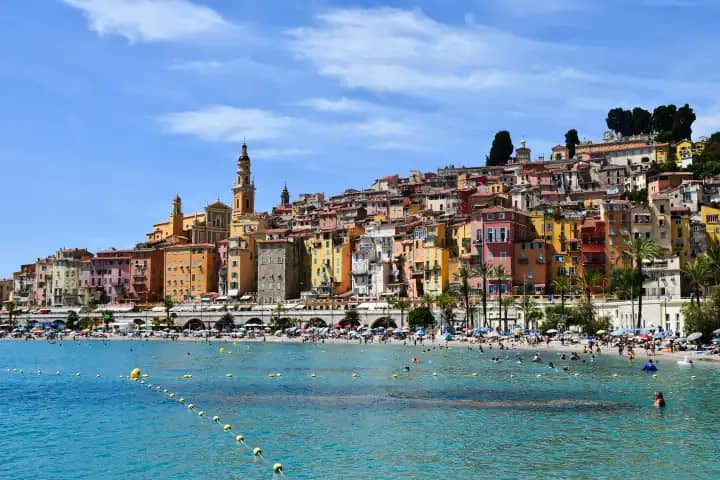
Photo: Michael Kora on Unsplash, used under the Unsplash License.
The EU Entry/Exit System, usually shortened to EES, is already operating at the external borders of 29 European countries. Most non-EU visitors making a short trip must now have a facial image and fingerprints recorded when they first cross an EES border. Later crossings normally use the stored record for verification.
The difficult part this summer is timing. A July review of airport reports found severe queues at some borders, while travelers at the same airport can pass much faster at another time. There is no reliable Europe-wide waiting time. Check the airport, port or rail operator for your exact journey, and protect any onward connection that sits after passport control.
This guide was checked on July 29, 2026. EES procedures, app support and local queue arrangements can change, so use the linked official source for a final check before departure.
EES in 2026 at a glance
| Question | Current answer |
|---|---|
| Is EES operating now? | Yes. It became fully operational on April 10, 2026. |
| Who usually registers? | Non-EU nationals entering the Schengen area for a short stay of up to 90 days in any 180-day period |
| What happens on a first crossing? | Border control records passport details, a facial image and fingerprints, subject to age and other exemptions |
| Are children included? | Yes, but children under 12 do not provide fingerprints |
| Is there an EES application fee? | No. Registration happens at the border and EES itself is free |
| Does the app replace border control? | No. The optional app supports limited advance steps in Sweden and Portugal |
| Does EES apply in Ireland or Cyprus? | No. They continue to use their own border procedures |
| Is EES the same as ETIAS? | No. EES is a border record; ETIAS is a separate travel authorization that is not yet operating |
Who must register and who is exempt
EES generally applies when a person who is not an EU, EEA or Swiss national crosses an external Schengen border for a short visit. It applies whether the traveler is visa exempt or holds a short-stay visa. Holidays, business trips and visits to family can all fall within the system.
The EES countries are Austria, Belgium, Bulgaria, Croatia, Czechia, Denmark, Estonia, Finland, France, Germany, Greece, Hungary, Iceland, Italy, Latvia, Liechtenstein, Lithuania, Luxembourg, Malta, the Netherlands, Norway, Poland, Portugal, Romania, Slovakia, Slovenia, Spain, Sweden and Switzerland.
The European Commission's current exemption summary says the system does not register EU, Icelandic, Liechtenstein, Norwegian or Swiss nationals. It also lists exemptions for several other groups, including holders of qualifying long-stay visas or residence permits and some family members who hold the required residence document.
Do not assume that living in Europe, owning a property or traveling with an EU relative is enough by itself. Carry the residence card, permit or other document that proves the exemption. If your status is unusual, check it against the official list before travel rather than asking a queue marshal to settle it at the gate.
What happens at the EES border
On a first EES crossing, the usual sequence is:
- Present the passport you are using for the trip.
- Follow signs for a kiosk or staffed booth, depending on the border.
- Provide a facial image and fingerprints when required.
- Answer the border officer's normal questions about the visit.
- Keep moving only after the officer completes the entry or exit check.
Children are registered too, although the current UK Parliament briefing confirms that children under 12 are exempt from fingerprint collection. A facial image can still be taken. Families should keep passports and any residence documents sorted by person before reaching the kiosk.
Later journeys should be simpler because the record already exists, but a border officer can still verify a face or fingerprint and ask travel questions. A new passport, an unreadable scan or a record that cannot be matched may require more work. Border control can collect biometric data again when a record needs updating or the identity check cannot be completed, so do not plan a connection on the assumption that a repeat crossing will be instant.
The Council of the EU says EES replaced routine passport stamping when the system became fully operational. It records entries and exits digitally and helps authorities apply the existing 90 days in 180 rule. EES did not create a new 90-day allowance.
Where the check happens on your journey
The first external Schengen border on the route matters more than the final destination.
| Journey | Where to expect EES | Planning consequence |
|---|---|---|
| Direct flight from outside Schengen | Passport control at the arrival airport | Do not put a tight train, car pickup or separate flight after landing |
| Flight connecting into Schengen | The first Schengen airport, before the onward Schengen flight | The immigration queue sits inside the connection time |
| Flight entirely within Schengen | No EES crossing on that segment | Normal identity and security checks may still apply |
| Eurostar from London | Before departure at London St Pancras | Follow the check-in time shown by Eurostar and go through the full process before waiting for the train |
| LeShuttle from Folkestone or ferry from Dover | At juxtaposed controls before leaving the UK | Check the operator's live arrival instructions and road alerts |
| Other ferry or land border from outside Schengen | At the relevant external border | Port and road arrangements vary by crossing |
| Airside international transit | Usually no EES if you remain in the international transit area | Passing passport control, changing airports or using a landside hotel can trigger entry registration |
The UK government's EES guide explains the special controls at Dover, Folkestone and St Pancras. Eurostar says EES is free and does not require an advance application. Use the arrival time attached to your ticket rather than an old social post.
Cruise passengers should ask the cruise line where EES will be completed. A day visit from a cruise that starts and ends outside Schengen may be handled differently from disembarking in a Schengen port or continuing independently. The port authority and operator know the actual itinerary and border arrangement.
How early should you arrive for EES in summer 2026?
There is no honest single answer. The Which? airport review found that neither the European Commission nor Frontex publishes wait-time data by airport. Traveler reports range from a few minutes to several hours. A five-hour headline is evidence that severe disruption has happened, not a forecast for every departure.
Use this decision instead:
- Follow the airline, airport, port or rail operator's current arrival instruction as the minimum.
- Add more time when your route crosses an external Schengen border during school holidays, a weekend peak or a large local event.
- Check whether passport control comes before or after security at that terminal. It can affect when a lounge or restaurant is safe to use.
- Avoid a separate, non-refundable booking immediately after arrival. A through-ticket gives the operator more options when a protected connection fails.
- For a Schengen connection, confirm that immigration occurs at the first Schengen airport and choose a longer connection when a missed onward flight would be expensive.
- At the airport, go to the gate side of passport control before settling into a meal or lounge visit.
Airlines can close bag drop or boarding even while a traveler is waiting elsewhere in the terminal. The easyJet travel-document guidance tells passengers to arrive early, allow for onward connections and follow live information in the airline app. Other carriers publish different cutoffs, so check the airline operating your flight.
A safer plan for a Schengen flight connection
Suppose you fly from New York to Rome via Frankfurt. EES happens in Frankfurt because Germany is where you first enter Schengen. You must clear the border before the Frankfurt to Rome flight, even though Italy is the destination.
Before booking, map the connection in this order: arrival gate, passport control, security if required, terminal change and departure gate. Then ask whether the entire trip is on one ticket. A published minimum connection time describes what an airport and airline sell; it does not promise that a summer border queue will fit inside it.
If you already have a short connection:
- Check in online and save both boarding passes offline.
- Keep the passport open and remove covers that interfere with kiosk scanning.
- Ask cabin crew whether the arrival gate or transfer process has changed.
- Follow connection signs before stopping for food or shopping.
- Tell a queue marshal when boarding time is close, without expecting that every airport can move you forward.
- If the flight is missed, contact the operating airline immediately and keep evidence of the queue and timing for the airline or insurer.
Rebooking, assistance and compensation depend on the ticket, cause and applicable passenger-rights rules. A long EES queue does not create an automatic promise of a free replacement flight.
Does the Travel to Europe app save time?
The official Travel to Europe app can complete only the steps supported by the country where you cross the border. It is optional, requires a biometric passport and does not replace the border officer or fingerprint check.
As of July 29, 2026, the official app page lists:
- Sweden: passport data, facial image and the entry questionnaire
- Portugal: the entry questionnaire
The app accepts advance information within 72 hours of entering or leaving a participating country. If you enter through France on the way to Portugal, Portugal's app support does not move the EES check to Lisbon. France is still the first Schengen border on that route.
Install only the official app linked from the EU site. EES has no permit fee. A website asking for payment to complete an EES application is not selling a required EU service.
Traveling with children or someone who needs help
An under-12 fingerprint exemption does not remove a child from EES. Leave time for the child's photo, passport scan and the rest of the family's checks. Keep snacks, water and necessary medicine in the cabin bag, subject to security rules, because a border queue may not have easy access to shops or seating.
For a practical example after the border, the Latvia with kids guide covers Riga Airport transfers, child restraints, stroller-compatible stops and slower five, seven and ten-day routes.
Ask the airport, port or rail operator about assistance before travel when someone cannot stand for long, use a self-service kiosk, hear spoken instructions or move quickly between terminals. Special-assistance services differ by location and usually need advance notice. Bring any exemption or residence evidence in an accessible place rather than inside checked luggage.
If a connection is becoming tight, tell staff early. Do not wait until boarding has closed. Staff may be able to direct you, but they cannot always override border-control requirements.
EES and ETIAS are different
EES records a traveler's border crossing. ETIAS will be a separate travel authorization for eligible visa-exempt visitors. As of this guide's review date, ETIAS is not yet operating and there is no valid ETIAS application to submit.
Check the European Commission's EES and ETIAS comparison near departure. Do not pay an unofficial site because it claims that EES or ETIAS must be purchased urgently.
Apps and offline details worth preparing
Keep the app list short enough that you will check it:
- Travel to Europe, only when the official page confirms support at your border
- The operating airline, Eurostar, ferry or rail app for live gates and service changes
- The airport or port's official site for terminal and queue notices
- Offline Google Maps, Apple Maps or another trusted map for the arrival area
- An offline copy of boarding passes, accommodation details and onward bookings
- An offline translation language when border or transport instructions may not be in your preferred language
A Roaming eSIM can keep operator alerts, maps and family messages available after landing. It cannot shorten an EES queue, guarantee airport capacity or replace a voice line for ordinary calls. Install it using the before-travel setup guide, then choose an allowance with the travel data calculator.
For a multi-country route, compare the Europe Roaming eSIM with a country plan. The country versus regional guide explains the coverage tradeoff. Keep the broader Europe travel checklist for passports, medication, payment backups and charging equipment, and check whether your phone supports Roaming eSIM before buying.
EU Entry/Exit System questions travelers are asking
Do I need to register for EES before traveling?
No. EES registration takes place at the border and has no fee. The optional Travel to Europe app can complete limited advance steps for supported crossings, but it is not an EES application or permission to travel.
Do I register every time I enter Europe?
EES records every covered entry and exit. The first crossing usually creates the biometric record; later crossings verify it. Border control can collect information again when a record, passport or biometric scan needs updating.
Are children fingerprinted for EES?
Children under 12 do not provide fingerprints, but they are still registered and may have a facial image taken. Older children follow the standard biometric process unless another exemption applies.
Where does EES happen on a connecting flight?
At the first external Schengen border. A traveler flying to Rome through Frankfurt completes EES in Frankfurt before the onward Schengen flight.
Does airside transit require EES?
Usually not when the traveler stays inside the international transit area and never passes passport control. A terminal change, airport change, landside hotel or route that enters Schengen can require registration.
Will I be checked when leaving Schengen too?
Yes. EES records exits as well as entries. Departure passport control can therefore add time on the way home.
Can I use the EES app in Spain, France or Germany?
The official page currently lists support only for Sweden and Portugal, with different functions in each. Other EES countries may join later, so check the official list rather than assuming that downloading the app is enough.
How do I know whether my EES registration already exists?
Do not rely on a missing passport stamp or an app screen. Present the same passport at the next covered border and let the system and border officer verify the record. A changed passport may require an update.
What if an EES queue makes me miss a flight?
Contact the airline immediately, keep the boarding pass and record when you joined the queue. Rebooking and compensation depend on the ticket and circumstances. Travel insurance may also require evidence.
How can I check a live EES queue?
Start with the airport, port, airline or rail operator. Traveler reports can warn about a problem but may be old by the time you arrive. No independent queue map can guarantee the wait at your lane and departure time.
The useful preparation is specific: identify the first Schengen border, check who in the group needs registration, protect the connection after passport control and save every document needed to keep moving when airport WiFi is busy.