Latvia with kids: attractions, itineraries and family travel tips

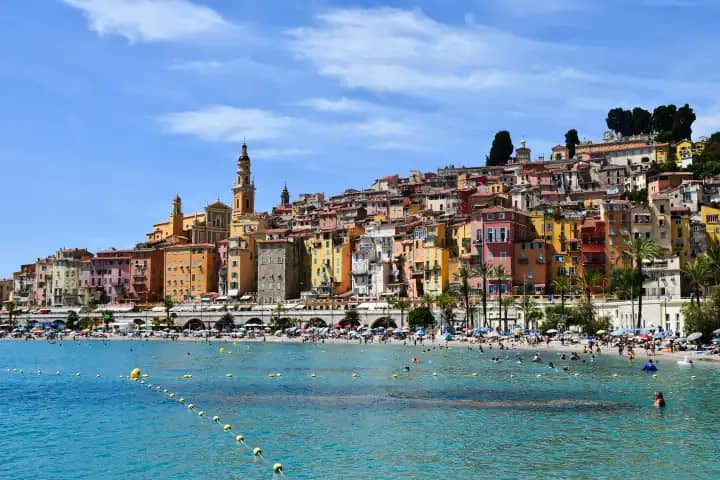
Latvia with kids works best for families who want a compact city, an easy beach day and one or two forest or castle outings without driving every day. Five days is enough for Riga and Jurmala. Seven days can add Sigulda. Ten days gives Cesis room to breathe and leaves a weather buffer. Preschoolers have plenty to do around Riga and Jurmala; school-age children get more from the castles, museums and bog walk.
The main difficulty is not distance. It is choosing stops that match the weather and the family's mobility. Old Riga has cobbles, the Great Kemeri Bog Boardwalk has no rail and can become slippery, and historic castle towers require stairs. A good plan pairs one substantial outing with a nearby playground, beach or indoor fallback instead of trying to cross the country twice in one day.
This guide was checked against official attraction, museum, rail, airport, road-law, emergency and health sources on August 27, 2026. Age bands, visit lengths and journey ranges are editorial planning estimates unless an official rule is named. Opening patterns and transport timetables can change, so use the linked official page before paying.
Latvia family trip decisions at a glance
| Decision | Practical starting point |
|---|---|
| Best first route | Riga for three or four nights, Jurmala as a day trip, then Sigulda for two nights |
| Best ages | All ages around Riga and Jurmala; six and older for the bog and castle-heavy route |
| Car needed? | No for Riga, Jurmala, Sigulda or Cesis centres; useful only for a tightly planned rural day |
| Main difficulty | Wet, cold or windy weather can change an outdoor day quickly |
| Daily rhythm | One booked morning, lunch and rest, then a park, beach or short museum |
| Child restraint | A child up to 150 cm in a belted car must use an age- and weight-appropriate seat or booster and the safety belt |
| Emergency number | 112 for a real threat to life, health, safety or property |
| Airport transfer | Riga Airport says bus 22 takes about 40 minutes to the centre; a taxi averages about 20 minutes when traffic allows |
Which Latvia attractions fit your children?
| Image | Destination | Best ages | Indoor or outdoor | Allow | Book ahead? | Best base |
|---|---|---|---|---|---|---|
 | Riga Motor Museum | 4 and older | Indoor | 2 to 3 hours | Usually no; check groups and events | Riga |
 | National Museum of Natural History | 4 and older | Indoor | 90 minutes to 2 hours | No; add every child to an online order | Riga |
 | Ethnographic Open-Air Museum | 5 and older | Outdoor with historic interiors | 3 to 5 hours | Check event days | Riga |
 | Riga Zoo | 3 and older | Outdoor and indoor houses | 3 to 5 hours | Check seasonal times | Riga |
 | Majori Beach | All ages | Outdoor | 2 hours to a full day | No | Jurmala or Riga |
 | Dzintari Forest Park | 3 and older | Outdoor | 90 minutes to 3 hours | No | Jurmala |
 | Great Kemeri Bog Boardwalk | 6 and older | Outdoor | 2 to 4 hours including approach | No; check conditions | Jurmala, Kemeri or Riga |
 | Turaida Museum Reserve | 6 and older | Outdoor and indoor exhibits | 3 to 5 hours | Check events and current entry | Sigulda |
 | Sigulda Cable Car | 3 and older | Enclosed cabin | 30 to 90 minutes | Sensible at busy times | Sigulda |
 | Cesis Medieval Castle | 6 and older | Ruins, garden and museum | 2 to 4 hours | Check activities and closures | Cesis |
These age bands reflect walking surfaces, exposure and concentration, not admission rules. The table is a shortlist, not a promise that every route is step-free. Families who need a changing table, lift or wheelchair route should use the venue-specific notes below and confirm the feature is available on the visit date.
Ten questions families keep asking about Latvia
The same planning problems recur in public Latvia and Baltic travel discussions. These ten questions shaped the route in this guide.
- Can Riga, Jurmala and Sigulda work with children under five? Yes, if Riga remains the main base and Sigulda is optional. Keep the bog and tower climbs for an older-child trip.
- Is one Riga base enough? It is enough for five days. For seven or ten days, two nights in Sigulda or Cesis reduce repeated rail journeys and rushed evenings.
- Which Latvia beach is easiest without a car? Majori is a practical first choice because the train, centre, beach facilities and food are close together.
- Can Jurmala and Sigulda fit on the same day? Technically perhaps, usefully no. They sit on different rail corridors from Riga and solve different weather needs.
- Is Latvia manageable without renting a car? Yes for this route. Trains cover Jurmala, Sigulda and Cesis; city transport handles Riga. A car only improves selected rural combinations.
- Will a stroller work? A compact stroller works in museums, city transport and many paved areas. Cobbles, sand, muddy forest roads, narrow boardwalks and castle stairs still require a carrier or a shorter route.
- What can children do in rain or winter? Use Riga Motor Museum, the Natural History museum and selected zoo houses. Do not treat a wet bog boardwalk as an obligatory sight.
- Should a Baltic trip include three countries in a week? With young children, no. Latvia alone fills a week without losing days to checkout, luggage and border transfers. For a longer southbound journey, use the separate Lithuania with kids guide to plan the next country.
- Do we need to bring a child seat? Latvia's legal threshold is clear, but availability and fit in a rental or transfer are separate questions. Reserve the exact category in writing and inspect it before travel.
- Are trains easy with a stroller? Vivi allows prams free when the train's technical capacity permits. Check the accessibility icons for the exact service and avoid assuming every platform and carriage has level boarding.
Riga: build the trip around two indoor anchors
Riga is the easiest place to absorb a delayed flight or a rainy morning. Stay within walking or short public-transport reach of the centre, but do not assume an Old Riga address means smooth stroller travel. Cobbles, kerbs and historic entrances can turn a short map distance into a slow outing.
Riga Motor Museum
Children can compare more than 100 historic vehicles, spot how steering, lights and body shapes changed, and use the exhibition's multimedia elements. Ages four and older usually enjoy the visual story even without reading every label. Allow two to three hours, with a snack break outside the galleries.
The museum is a modern indoor choice, useful in rain, cold or strong summer sun. Its public visitor page confirms the collection and current weekly pattern, but does not provide enough detailed family-access information to promise a changing table, every interactive feature or a particular cafe service. Contact the museum if step-free access, stroller storage or a quiet space determines the visit.
There is no need to turn the museum into a full-day transfer. It is outside the central walking area, so use the official address, allow city traffic and check the current public-transport route on the day. Advance booking is most useful for a guided programme or a busy event rather than an ordinary self-guided visit.
Check the official Riga Motor Museum site for the current visitor notice. Official details checked August 27, 2026.
Latvian National Museum of Natural History
Children can move from Latvian mammals and geology to wider natural-history displays, use the museum's digital guide and break the visit into two or three floors. Ages four to ten get the clearest rainy-day value. Allow 90 minutes for a selective visit or two hours with the audio and games.
This is one of the better-documented family stops. The official visitor page lists ramps, an elevator from the first to sixth floors, lockers, a baby-changing table and an accessible toilet. The museum is inside a protected historic building, so those features do not mean every corner has identical access. Ask staff for the easiest route when arriving with a wheelchair or pram.
There is no need to carry a full picnic through the exhibits. Use the cloakroom, bring headphones for the digital guide and plan food nearby. The museum is within a short walk of Riga Central station, making it a practical first or last stop on a rail day.
Check the official visitor page for opening changes and ticket instructions. Official details checked August 27, 2026.
Latvian Ethnographic Open-Air Museum
Children walk between farmsteads, a church, workshops and other relocated buildings from Latvia's regions. Give ages five and older a simple mission: compare roofs, kitchens or farm tools rather than treating 86 hectares as a checklist. Allow three to five hours and turn back before everyone is tired.
The major roads are described as wheelchair-accessible in good weather, and an accessible toilet is near the exhibition hall. Historic buildings have narrow doors, high thresholds and uneven porches. Rain can create mud; snow and ice make access harder. A robust stroller may cover the main roads, but a carrier is more useful inside the building clusters.
The museum lists a year-round restaurant, a summer cafe and designated picnic areas. Facilities are spread across a large site, so use the toilet near the entrance before setting off and carry water. Most buildings open in summer, while the winter selection is much smaller.
Use the official accessibility and contact page and official family FAQ. Official details checked August 27, 2026.
Riga Zoo
Children can choose a small route through animal houses and outdoor habitats instead of trying to see the entire zoo. Ages three and older can manage a half-day when adults plan one indoor pause. Allow three to five hours and expect the younger children to be finished before the adults.
The site has hilly ground, so a stroller helps but still requires pushing. The official rules prohibit bikes, scooters and balance bikes inside. Parking is limited and paid; tram 11 and buses 9 and 48 stop at Mezaparks/ZOO, which avoids the parking search.
Indoor-house hours differ from the gate, and the tropical house starts later than the main opening in the published seasonal schedule. Pack for outdoor weather even if one animal house is the day's headline. Confirm current food outlets and changing facilities directly rather than assuming all seasonal services operate.
Use the official transport page and official seasonal schedule. Official details checked August 27, 2026.
Jurmala and Kemeri: put the beach and bog on different days
Jurmala is a chain of coastal neighbourhoods rather than one small resort square. Majori and Dzintari combine well because they are close. Great Kemeri Bog Boardwalk needs its own weather check, walking energy and transport plan.
Majori Beach
Children can build in the sand, paddle under adult supervision and move between the water, playground and nearby centre. It works for every age, but Baltic water and wind can make a planned swimming day into a short beach walk. Allow two hours in uncertain weather or a full day with a midday rest.
The official beach guide lists a concrete access ramp at Pilsonu Street, toilets near Pilsonu, Kaiju and Viktorijas streets, showers, foot-washing taps and a playground. Facilities are location-specific and some are seasonal. Choose the exact access point instead of assuming every stretch of the 24-kilometre coast has the same setup.
During the swimming season, use a lifeguarded section and ask a rescue station for a child contact wristband when available. The municipality monitors bathing water and publishes current conditions. A stroller can reach the promenade and ramp, but loose sand still limits wheels.
Majori station is the useful rail stop for this section. Check the official Jurmala beach guide before setting out. Official details checked August 27, 2026.
Dzintari Forest Park
Children can use play areas, move through the pine forest and decide whether the observation tower is worth the climb. Ages three and older can enjoy the ground-level park; the tower is a separate decision for children comfortable with open stairs and height. Allow 90 minutes to three hours.
The park is a useful complement to Majori rather than a second all-day destination. A stroller works on the main firm paths, but the tower itself is not a stroller activity. Keep one adult at ground level if a child dislikes height, and do not turn reaching the top into a requirement.
Toilets and food options can be seasonal or outside the immediate play area. Use facilities in central Dzintari before a long play session and carry water. Wind in the trees can feel much colder than the temperature displayed in Riga.
The park lies within walking range of Dzintari station and the beach. Check the official tower page for current access. Official details checked August 27, 2026.
Great Kemeri Bog Boardwalk
Children follow a narrow wooden path through bog pools and small pines, look for sundews and read the landscape from the observation platform on the longer loop. Ages six and older are a safer planning band because the boardwalk has no rail. Allow two to four hours including the approach from parking or rail.
The official page says the boardwalk is not wheelchair-accessible, has no rail, becomes slippery in rain and is not cleared of snow in winter. This is not a place to force a stroller. A carrier can solve the wheel problem, but the adult still needs firm footing and free balance.
There is an 800-metre approach from the car park. From Kemeri station, the signed walk is longer and crosses toward the highway before reaching the same approach. A direct seasonal bus operated in summer 2026, but families planning later should verify whether it still runs.
There is no reliable cafe or changing-room plan on the boardwalk. Use the toilet before departure, pack water and snacks, and take every item back out. Check the official boardwalk page on the morning of the visit. Official details checked August 27, 2026.
Sigulda and Cesis: choose one castle centre per day
Sigulda and Cesis sit on the same rail corridor from Riga, but combining their principal sights in one day leaves little room for children to explore. Give each a separate day or stay two nights in one town.
Turaida Museum Reserve
Children can explore the red-brick castle area, walk the sculpture and forest routes and compare the reserve's buildings across centuries. Ages six and older get the most from the mix of history and walking. Allow three to five hours without trying to enter every exhibition.
Turaida's new Nature's Pearls trail is 1.3 kilometres on gravel and is suitable for strollers; wheelchair users may need companion help. That does not make the castle tower or every historic interior step-free. Ask the visitor centre for a route that matches the family's mobility before climbing.
Carry a small snack and use the visitor-centre facilities before the forest section. Shade is useful in summer, but rain turns a mixed indoor-outdoor day into repeated wet-coat transitions. Check events because a festival can change crowds, parking and the useful walking route.
Turaida is outside Sigulda station centre, so plan the local bus, taxi or longer walk separately from the train. Read the official family forest-trail page. Official details checked August 27, 2026.
Sigulda Cable Car
Children watch the Gauja Valley pass below an enclosed cabin and connect the geography they have walked on the ground. Ages three and older can enjoy the short ride, provided height does not cause anxiety. Allow 30 to 90 minutes once queueing and a return are included.
The operator says every passenger must leave the cabin at the end of a trip. A return ticket does not guarantee remaining on board; passengers may need to join the live queue again. That detail matters with a tired child. Ask about stroller carriage and boarding assistance before buying because the public page does not establish a universal stroller policy.
There are facilities near central Sigulda, but do not assume a toilet is available inside the cabin station at both ends. Use the toilet before queueing and keep layers accessible. Wind or technical changes can affect operation.
The town-side station is roughly a walk from Sigulda rail station, but small children may need a local ride. Check the official cable-car page for the current schedule and queue advice. Official details checked August 27, 2026.
Cesis Medieval Castle
Children can explore the garden, workshops and medieval kitchen garden, then decide whether the towers suit them. Ages six and older usually enjoy the physical sense of a ruined castle; younger children may prefer the garden and activity area. Allow two to four hours.
The official accessibility page is unusually specific. Wheelchairs can reach the garden, workshops and medieval kitchen garden. Strollers can use those areas and the activity space, but the venue recommends leaving them at the visitor centre for the towers and museum. A changing surface is available at the visitor centre, and an elevator reaches the museum's fourth floor.
Tower steps, dim spaces and uneven stone need one adult focused on each young child. Rain can make ruins less comfortable, while the museum offers an indoor fallback. There is no dedicated guest car park at the complex, so families driving should check town parking restrictions rather than circling the castle entrance.
Cesis station is within the compact town, but luggage belongs at accommodation or a confirmed locker before the castle. Read the official accessibility page. Official details checked August 27, 2026.
Five, seven and ten days in Latvia with kids
These plans deliberately leave meal, nap and weather space. A transfer day is not counted as a full attraction day.
Five days: Riga and Jurmala
Day 1: Arrive in Riga. Use bus 22 or a prearranged transfer, eat near the accommodation and take only a short local walk.
Day 2: Natural History museum in the morning. Rest after lunch, then use a nearby park or a short Old Riga loop chosen for the stroller.
Day 3: Riga Motor Museum. Keep the second half of the day free rather than adding another cross-city museum.
Day 4: Train to Majori. Use the beach in good weather and Dzintari Forest Park as the flexible second stop. Return before the evening rush.
Day 5: Choose Riga Zoo or the Open-Air Museum, not both. Keep the other as the reason to return.
Seven days: add Sigulda
Follow the five-day plan, then travel to Sigulda on day six. Ride the cable car only if operating conditions and the children's energy work. On day seven, give Turaida most of the day and stay a second night or return to Riga without a late onward flight.
If the forecast is wet, reverse the trip so Riga's indoor museums absorb the poor-weather days. Do not move the bog into a rainy gap simply because the calendar has space.
Ten days: add Kemeri and Cesis
Use four nights in Riga, one or two around Jurmala, two in Sigulda and two in Cesis. Give Great Kemeri Bog Boardwalk a dry morning, with a beach or town fallback if the wood is wet. Move from Sigulda to Cesis by train, then spend a full day around the castle and centre.
The tenth day is a buffer: return to Riga, repeat a favourite park or use the missed indoor stop. Keep the last night near the departure city rather than relying on a long same-day chain before a flight.
Latvia transport with prams, bags and child seats
Is a rental car useful on this Latvia route?
Not for the route in this guide. Riga public transport and Vivi trains connect the main bases. A car becomes useful for rural stops that do not align with rail, but it also creates child-seat, parking and winter-driving responsibilities.
Latvia's Road Traffic Regulations say a child whose height does not exceed 150 cm must use an age- and weight-appropriate child seat or booster in a belted car and be secured by the belt. Treat that as the minimum, not a reason to accept a visibly poor fit. Ask a rental or transfer company for the restraint type in writing and inspect the seat, belt path and vehicle before leaving.
Trains, prams and luggage
Vivi permits baby strollers free of charge when the train's technical capability allows. Ordinary hand baggage is free within the published size and weight limits; larger baggage can require a baggage ticket. Do not block seats or aisles with luggage.
Check the accessibility icons for the exact departure. Newer trains and modernized platforms help, but the network is not one uniform step-free product. Jurmala stations are frequent stops on the Tukums corridor; Sigulda and Cesis are on the Valga corridor. Timetables change around works, so use the official journey planner rather than a saved screenshot.
Riga Airport to the city
Riga Airport says bus 22 takes about 40 minutes and uses low-floor vehicles; traffic and the walking leg can add time. The airport gives about 20 minutes as an average taxi journey to central Riga, again subject to traffic. A taxi is only the simpler family choice when the booked child restraint is correct.
For bus 22, keep the arrival ticket method ready before boarding. A folded stroller is easier at peak times, even when the vehicle has a low floor. Save the accommodation address offline in Latvian and English.
Families who are not EU, EEA or Swiss nationals should also check the EU Entry/Exit System guide before an external Schengen border crossing. Children are registered even when an age-based fingerprint exemption applies, so keep each passport and supporting document easy to reach.
Practical Latvia family details before departure
When coastal weather and holiday crowds change the plan
Late May through August gives the longest usable outdoor days, but the coast can still be windy and popular weekends fill Jurmala trains. September can suit families who bring rain layers. Winter works as a Riga museum break, not as a guaranteed bog-and-beach itinerary. Snow, ice and short daylight reduce the value of ambitious day trips.
Pack thin layers, a waterproof outer shell and shoes with grip. A dry bag for spare child clothes earns its space on beach and forest days. Sunscreen still matters on bright Baltic summer days.
Meals and children
Riga and the resort centres have flexible food choices, but rural attractions do not all keep the same cafe pattern outside summer. Eat before a long forest or castle circuit, carry a simple snack and never promise children a specific venue cafe without checking it that morning.
Latvian soups, potatoes, pancakes, rye bread and plain grilled foods can be easier starting points for cautious eaters. Ask about allergens directly; a translated allergy card is more dependable than hoping every menu note has the same detail.
Where published facilities help, and where wheels stop
The Natural History museum and Cesis Castle publish useful changing information. Jurmala identifies exact beach-access points with toilets. The Open-Air Museum explains how weather affects its roads. Those venue-level facts are more useful than calling Latvia broadly accessible.
Old Riga cobbles, beach sand, bog boards and castle towers remain real barriers. Plan each day around the least mobile family member, carry a compact stroller plus carrier when possible, and ask the venue to confirm a lift is operating when it is essential.
Medical help, forest checks and drinking water
Carry travel insurance and any needed medicines in original packaging. The Latvian National Health Service lists out-of-hours routes including a general-practitioner advice line, duty doctors, emergency points and hospital reception departments. For a threat to life or health, call 112; the official 112 guidance asks callers to state the exact location, what happened and a reachable phone number.
Riga's utility reports that its supplied tap water meets applicable quality requirements, but a building's internal plumbing can still affect what reaches the tap. Ask the accommodation if there is a local notice, especially in an older property. Outside Riga, use the local provider or accommodation guidance rather than extending a Riga claim nationwide.
Ticks are a practical forest concern. Use repellent appropriate for the child's age, stay on paths, check skin and clothing after woodland visits, and seek medical advice for a bite or symptoms.
Useful Latvia apps and offline backups
Use a short, verified app set rather than downloading a folder of generic travel brands.
- Vivi Latvija: domestic rail tickets, current departures and service accessibility indicators.
- Rigas satiksme: Riga bus, tram and trolleybus routes and tickets.
- Mobilly: a local payment option used for selected transport and museum tickets; confirm the product before paying.
- 112 Latvija: the official emergency app can help structure a call or text, but it does not replace knowing the address and calling 112 in a real emergency.
- Official weather and warning pages: save the Latvian Environment, Geology and Meteorology Centre forecast and warning page in the browser.
- Offline maps and translation: download Riga, Jurmala and Gauja-region maps plus Latvian language support before travel.
Screenshot the accommodation address, rail backup, child-seat reservation and attraction confirmation. Share one simple daily plan with all adults so a dead phone does not separate the family from the route.
Mobile data at Latvia's transport handoffs
Mobile data helps most at handoff points: finding bus 22 after landing, validating a changed train, opening a museum ticket, checking beach conditions and messaging when one adult returns to the accommodation with a tired child.
The live Roaming eSIM catalog checked for this guide offered a Latvia plan plus Europe and global options containing Latvia. That choice is the practical edge over a carrier-specific roaming promotion: a family can match the plan to a Latvia-only trip, a Baltic or wider European route, or a longer multi-region journey without pretending one product is best for every itinerary. Compare the actual allowance, validity, hotspot field, start trigger and reloadability shown on the selected card before buying.
Use the data calculator to estimate the family's shared needs, then check phone compatibility before purchase. Install while reliable Wi-Fi is available using the Roaming eSIM installation guide, but do not activate early unless the selected package's start rule supports it. That guide also explains why installation and activation are not always the same event.
Four Roaming eSIM options for this route
The cards below are limited to four relevant choices: the exact country plan, two Europe options that contain Latvia and one broader global option. Product availability and package details come from the live public catalog and can change.
Choose the Latvia plan for a single-country trip. Compare the Europe and Europe (33 areas) coverage lists for a Baltic or wider European route. The Global (120+ areas) option is only worth considering when the same journey genuinely continues beyond Europe. A broader coverage name does not prove better value for a Latvia-only holiday.
Recheck seasonal opening, transport works, trail conditions and child-restraint arrangements before the trip. The next editorial review should take place before the 2027 summer family-travel season or earlier if an official source changes.