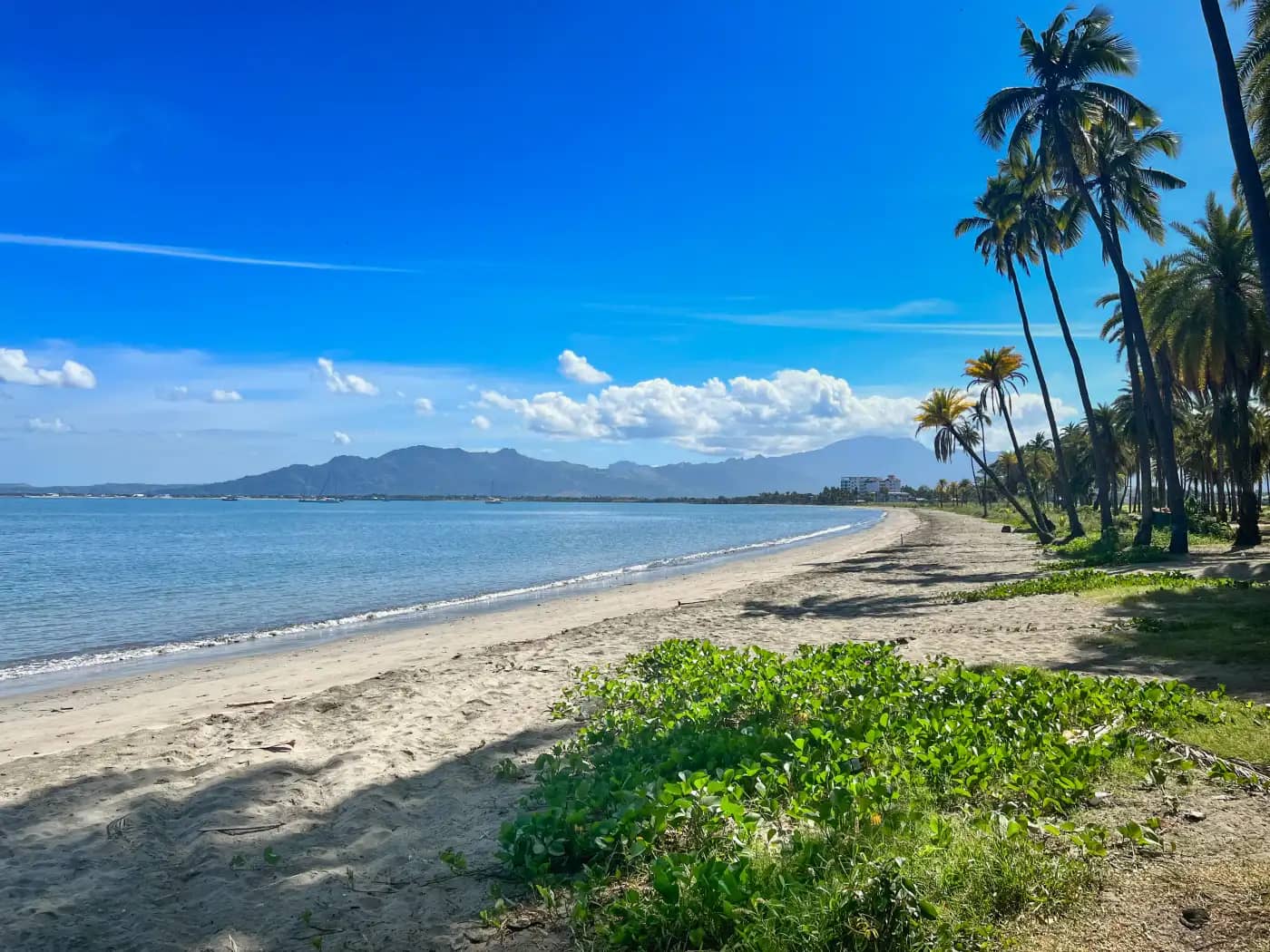
Fiji with kids: islands, itineraries and family travel tips

Fiji with kids is easiest when the family chooses one useful base instead of chasing island count. Nadi or Denarau works for a short first trip and a Mamanuca day cruise. The Coral Coast gives children wildlife, dunes and a rail-bike outing without another flight. Suva adds a museum and rainforest. Taveuni is a worthwhile ten-day extension for children who can manage a domestic flight, rougher roads and wet paths. Five days suits one western base, seven days can join Nadi with the Coral Coast, and ten days can support one outer-island branch. The difficult part is coordinating boats, weather and child-safe transfers.
Toddlers benefit from staying close to the airport and choosing a pool or known swimming area over a packed excursion list. Children aged six and older have more options because they can use wildlife programs, understand the museum and cope with longer road days. Confident older children can add dune walks or Taveuni, but swimming ability does not remove the need for close supervision around ocean, river and waterfall water.
Operational details were checked against first-party attraction, tourism, road, health, weather and product sources on August 29, 2026. Suggested ages and visit lengths are editorial planning estimates unless a venue publishes a rule. Confirm schedules, sea state, accessibility, food, toilets, child restraints and weather directly before setting out.
Fiji family decisions at a glance
| Decision | Practical starting point |
|---|---|
| Best first base | Nadi or Denarau for the airport, marina and short local outings |
| Best road-based second base | The Coral Coast for Kula, Ecotrax and Sigatoka |
| Best cultural stop | Suva for the Fiji Museum and a separate forest day |
| Outer-island choice | Taveuni for waterfall and forest time, with a domestic-flight buffer |
| Useful first trip | Seven nights split between western Viti Levu and the Coral Coast |
| Rental car needed? | Optional; a booked transfer or driver is often simpler with restraints |
| Child restraints | The reviewed Land Transport Authority training note says under-eights should use a child restraint if available, or a rear seat belt with adult supervision |
| Emergency numbers | Medical 911, fire 910 and police 917 in the current official and advisory sources |
Which Fiji stops fit your children?
| Image | Destination or attraction | Best ages | Indoor or outdoor | Allow | Book ahead? | Best base |
|---|---|---|---|---|---|---|
 | Garden of the Sleeping Giant | All ages | Outdoor garden and covered boardwalk | 1.5 to 2.5 hours | Confirm opening and transfer | Nadi or Denarau |
 | South Sea Island | All ages, with a boat plan | Outdoor island, pool and boat | Half or full day | Yes | Denarau or Nadi |
 | Ecotrax Fiji | Babies through teens under published seating rules | Outdoor rail bike and beach | About 3.25 hours | Essential | Coral Coast |
 | Kula WILD Adventure Park | 3 and older; ranger program 6 to 12 | Outdoor wildlife park with one indoor display | 2 to 3 hours | Reserve special programs | Coral Coast |
 | Sigatoka Sand Dunes National Park | Fit children 6 and older | Outdoor dunes and dry forest | 1 to 2 hours | No; request a ranger if useful | Sigatoka or Coral Coast |
 | Fiji Museum | 6 and older | Indoor museum and outdoor gardens | 1.5 to 2 hours | Guided visits need booking | Suva |
 | Colo-i-Suva Forest Park | Sure-footed children 7 and older | Outdoor forest, trail and pools | 2 to 3 hours | Arrange transport and local advice | Suva |
 | Tavoro Waterfalls | 5 and older for the first fall | Outdoor waterfall trail | 2 to 4 hours | Confirm transport and conditions | Taveuni |
The table is a filter, not a promise of step-free access or safe swimming. Ask each operator about the exact boat boarding method, child restraint, path surface, toilet, changing space, shade and meal arrangement that your child needs.
Ten questions families ask before booking Fiji
Public travel discussions repeatedly ask about island choice, young children, transfers and the amount of moving around. These questions come from those discussions; the answers use current official or first-party sources.
- Is Denarau or an outer island easier with a toddler? Denarau removes a boat connection and keeps the airport, pharmacy options and marina close. An outer island works when the family accepts a fixed transfer and can bring everything the child needs.
- Should we split seven nights between several islands? Usually not. Two Viti Levu bases or one base plus a day cruise gives more usable time than repeated check-outs and uncertain sea transfers.
- Can a baby join an island boat trip? Some operators accept infants, but acceptance is not the same as suitability. Ask about tender boarding, shade, flotation equipment, sea state, food, changing and the return plan before paying.
- Will a taxi or transfer have a child seat? Do not assume it. Reserve the restraint in writing, state the child's age and size, and inspect the installation before leaving.
- Is a stroller worth bringing? A compact stroller helps at the airport, resort and museum. A carrier is more useful on sand, tender boats, forest trails, dunes and uneven garden paths.
- Which Fiji island is best for children who want activities? Western Viti Levu gives the broadest low-friction mix. The Mamanucas suit water-focused stays, while Taveuni asks more of the transfer and works better for active children.
- What happens if a ferry or domestic flight is delayed? Keep the last night on the island of the international departure airport and do not connect an outer-island trip directly to the flight home.
- Is Fiji manageable without a rental car? Yes. Pre-booked transfers, taxis and tours cover a simple route. A rental car adds freedom but also puts child-seat supply, navigation and road conditions on the family.
- Can children drink Fiji tap water? Tourism Fiji says treated water in major urban areas and large resorts is generally considered safe, while rural and outer-island quality varies. Ask the accommodation, follow current notices and use sealed or properly treated water when uncertain.
- Will mobile data work on every island and boat route? No. Download tickets, addresses, weather information and maps before leaving a town or resort. A data plan cannot guarantee a signal offshore or in forested terrain.
Nadi and Denarau: build the first days around the arrival
Western Viti Levu is where most first family trips should begin. Nadi International Airport, Denarau marina and the Sabeto area sit close enough to avoid sacrificing a whole day to movement. Do the garden and an island day on separate days, especially after a long overnight flight.
Garden of the Sleeping Giant
Children walk among orchid collections, lily ponds, lawns and rainforest plants. The covered boardwalk and shaded sections make this one of the gentler Nadi-area outings, although the higher forest path is not the same as a level botanical-garden circuit. All ages can use the lower garden. Allow 90 minutes to two and a half hours, depending on naps and whether the family climbs farther.
A compact stroller may work on the smoother lower sections, but ask the garden about steps and current surfaces before relying on it. Carry a baby instead of forcing a stroller up a wet trail. Confirm toilets, changing space, refreshments, drinking water and seats at arrival. The garden provides natural shade, but tropical humidity can still make the outing tiring.
Check opening and access on the day rather than copying an old timetable. Light rain may be manageable under the canopy, while heavy rain changes the path and transfer. The garden is close enough to combine with lunch, not with every Sabeto attraction on the same toddler day.
The practical stop is a pre-arranged taxi or driver from Nadi or Denarau. Tourism Fiji places the garden on Wailoko Road in the Nadi area and describes the boardwalk, rainforest and orchid collection. Read the official Garden of the Sleeping Giant listing. Official details checked August 29, 2026.
South Sea Island
Children can use the beach, saltwater pool, semi-submersible boat and non-motorised equipment under the operator's current rules. The short Mamanuca crossing makes this a more realistic first boat day than a long run into the Yasawas. Infants may be accepted under the published fare rules, but families still need to decide whether tender boarding, heat and a fixed return suit the child. Allow a half or full day.
This is not a stroller-led outing. The main vessel transfers passengers by tender, so ask how staff handle a folded stroller and whether a carrier is safer. Confirm flotation devices in the correct child size, shaded seating, toilets, changing space, lunch and allergy handling. A pool and calm-looking promotional photo do not prove the sea is suitable for a young swimmer.
Book ahead and recheck the sea state. Ask what happens if weather changes, whether the semi-submersible is running and which activities require confident swimming. Keep dry clothes, medicine, snacks and the return ticket in a waterproof bag.
Check in at the South Sea Cruises counter in the Port Denarau passenger terminal. The operator publishes the tender transfer, family options and current inclusions on its South Sea Island page and answers family-trip questions in its official FAQ. Official details checked August 29, 2026.
The Coral Coast: three useful stops without another flight
The Coral Coast can be a second base rather than a long day trip from Denarau. Ecotrax, Kula and the dunes solve different needs: a bookable activity, a wildlife day and an exposed walk. Do not place all three on consecutive hot afternoons.
Ecotrax Fiji
Families ride an electric-assisted carriage on the old sugar-cane railway, cross forest and village sections, then stop at a beach. The operator accepts a wide range of ages, publishes child-seat attachments for ages one to three and a rear bench for guests who cannot pedal. It also publishes that pedalers must meet a height requirement. Allow about three and a quarter hours plus the transfer.
The carriage is a seated outdoor experience rather than a stroller activity. Ask how your particular infant or child will be restrained and whether the published attachment suits their size. Covered footwear is required for small children in the operator's packing advice. Toilets and refreshments should be confirmed for the base and beach stop; carry water, sun protection, reef shoes and any child-specific food.
Bookings are essential, and the operator recommends booking well ahead. Light rain may not cancel the trip, while heavy rain can trigger a cancellation or reschedule. Ask about the forecast, beach conditions and whether both adults are expected to pedal before committing.
Ecotrax is based at Cuvu on the Coral Coast and can arrange paid transfers depending on location. Read the official booking and trip details and participation FAQ. Official details checked August 29, 2026.
Kula WILD Adventure Park
Children move through aviaries, marine displays and forest walkways to see Fiji wildlife and conservation work. The park's ranger program is specifically published for ages six to twelve. Younger children can use the self-guided route and splash area if the current rules suit them. Allow two to three hours without trying to time every feeding.
Wooden walkways, bridges, steps and a hillside route make a carrier more dependable than a stroller. The official page identifies an air-conditioned Land and Sea building, cafes and a children's splash pool, which provides useful breaks. Confirm toilets, changing space, food, pool operation and the current route at the entrance.
General self-guided visits may not need advance booking, but special programs and groups do. Rain makes timber and steps slippery. Heat and feeding-time crowds can slow the visit, so treat animal encounters as optional rather than promises.
The park is on the Coral Coast near Korotogo and is most practical by booked driver or resort transfer. The official self-guided visit page describes the displays, forest route, cafes and turtle feeding. Tourism Fiji provides additional context on the wildlife and ranger program. Official details checked August 29, 2026.
Sigatoka Sand Dunes National Park
Children climb coastal dunes, look for birds and connect exposed pottery and archaeological finds with the objects later seen at the Fiji Museum. The National Trust publishes a one-hour route and a longer two-hour route. The shorter option fits many children aged six and older; the longer route needs heat tolerance and steady footing.
A stroller is not useful on sand or dune slopes. The visitor centre is the place to ask about toilets, drinking water, shade, ranger help and current trail conditions. Carry water, hats and closed footwear. There is little reliable shade once the family commits to the exposed dune section.
The park warns visitors against walking in the hottest part of the day. Arrive early, choose the shorter route when heat rises and stop if a child struggles. A ranger can provide context and help the family avoid disturbing exposed cultural material.
The park lies on Queens Road near Sigatoka and is reached by car, taxi or a transfer that can stop at the visitor centre. The National Trust of Fiji visitor page publishes the trails, access point, facilities context and heat warning. Official details checked August 29, 2026.
Suva and Taveuni: add only when the route has enough time
Suva is a road or flight commitment from the western resorts, while Taveuni adds a domestic flight and rougher local transport. These are not casual add-ons to a five-day beach stay. They become useful when the family wants history, forest and waterfalls more than another resort day.
Fiji Museum
Children see canoes, archaeological material and objects that connect Fiji's islands, migration and colonial history. School-age children get more from the displays than toddlers, but the indoor galleries can provide a rain or heat break for any family. Allow 90 minutes to two hours, then use Thurston Gardens for movement.
Ask the museum about step-free entry, lift access, seating, toilets and changing facilities before relying on a fully accessible visit. A compact stroller is more practical here than at the outdoor stops. The onsite cafe and gift shop are useful, but opening and food service should be confirmed on the day.
General admission can be handled on arrival under current information, while guided visits should be booked. Avoid copying a price or timetable into the trip plan because operating details can change. A school group or event may affect gallery noise and access.
The museum sits in Thurston Gardens near central Suva. Taxi drop-off is simpler than asking a child to cross the city after a long bus ride. Tourism Fiji's current Fiji Museum visitor page covers location, admission categories, cafe and guided-tour contact. Official details checked August 29, 2026.
Colo-i-Suva Forest Park
Children walk in rainforest, watch for birds and see forest pools and streams. Sure-footed children aged seven and older are the best fit because wet paths, roots and water edges require attention. Allow two to three hours and treat swimming as conditional on current local advice rather than the purpose of the trip.
A stroller is unsuitable. Use a carrier only if the adult is secure on wet ground. Confirm the open route, toilets, changing facilities, shelter, food and safe pool information locally before entering. Bring water, insect repellent, grippy shoes and dry clothes.
Heavy rain can change streams and paths quickly. Do not enter floodwater, jump from rocks or assume a rope swing is maintained. The Fiji health ministry warns against playing or wading in floodwater because it can contain sewage, chemicals and debris.
The forest is about a road transfer from Suva, and a booked taxi or driver should include a definite return arrangement. Tourism Fiji includes Colo-i-Suva in its official Fiji walks guide. Pair that with the health ministry's floodwater precautions. Official details checked August 29, 2026.
Tavoro Waterfalls
At Tavoro, children can follow the fairly flat approach to the first waterfall and use the picnic area. The second and third falls involve steeper, rougher paths and are separate decisions. The first fall suits many children aged five and older when conditions are dry; the upper route is for fit, sure-footed older children. Allow two to four hours.
Leave the stroller at the accommodation. Tourism Fiji describes changing rooms and picnic tables at the first fall, but confirm toilets, water, food and current access at the visitor point. Bring grippy footwear, swim clothing, drinking water and a dry layer. Close supervision is required at the plunge pool.
Rain can make the upper path slippery or change the water. Stop at the first fall when the track, weather or child's energy argues against climbing. Do not equate a waterfall pool with supervised swimming, and never enter during a local closure or warning.
Tavoro is within Bouma National Heritage Park on Taveuni. Arrange a driver through the accommodation and agree on a return time because buses are limited. Tourism Fiji's official waterfall guide distinguishes the first fall from the rougher upper paths. Official details checked August 29, 2026.
Realistic five, seven and ten-day Fiji routes
Five days: Nadi or Denarau without an island transfer
Use arrival day for food, sleep and a short pool session. Visit the Garden of the Sleeping Giant on day two. Keep day three open for the resort, a beach or weather recovery. Use day four for South Sea Island only if the forecast and child fit are good; otherwise choose another local day. Day five is departure. This plan protects the flight from a remote connection and gives a toddler a quiet day after each organised outing.
Seven days: western Viti Levu and the Coral Coast
Spend three nights around Nadi or Denarau, including the garden and either an island day or rest. Transfer to one Coral Coast base for four nights. Give separate days to Kula and one of Ecotrax or the dunes, with a pool or beach day between them. Do not turn the transfer south into a checklist of roadside stops. The route works because it uses one road move and no domestic flight.
Ten days: add Suva or Taveuni, not both
Begin with two nights near Nadi, then spend four nights on the Coral Coast. For a history and forest route, continue by road to Suva for three nights and return west for the final night. For a nature route, fly to Taveuni for three nights, use one day for Tavoro and keep another day unbooked. Fly back to Viti Levu before the final international departure day. Adding both Suva and Taveuni creates too many transfers for ten days.
Moving around Fiji with children
Airport and base choice
Nadi is the main gateway for western resorts and island transfers. Tourism Fiji says Fiji's international airports are on Viti Levu and that scheduled domestic airlines serve smaller airports. A late international arrival is a reason to sleep on Viti Levu, not to force a same-day boat or light-aircraft connection.
Pre-book the airport vehicle and state every child's age, height and weight. Ask for a photograph or written description of the restraint when the provider claims one is available. Keep the hotel name, phone number and map pin offline.
Cars, taxis and buses
A car is not essential for a two-base route. Drivers and transfers remove parking and navigation, but they do not automatically provide an appropriate child seat. The reviewed Land Transport Authority training material says passengers over eight must wear a seat belt and children under eight should use a child restraint if available, or a rear seat belt with adult supervision. This wording is weaker than a modern size-based restraint rule, so families should arrange the safest correctly fitted seat they can rather than treating the minimum as best practice.
Public buses can be useful between towns, but luggage space, stop information, seat belts and stroller handling vary. Ask the operator directly before using a bus for an airport or child-seat-dependent transfer. Approximate journey times are weather and traffic dependent; use a live route estimate on the day and leave a meal and toilet buffer.
Boats and domestic flights
Boat operators set their own check-in, baggage, infant and weather rules. A resort launch may also require a tender or wet landing. Confirm every leg, including the main ferry. Pack medicine, one change of clothes, a snack and important documents in hand luggage.
Domestic aircraft and seaplanes can have much smaller baggage limits than the international flight. Tourism Fiji recommends checking the allowance before packing. Keep a buffer before the international flight because weather and operational changes can affect both boats and small aircraft.
Food, weather, health and access in Fiji
School breaks and tropical weather in Fiji
Tourism Fiji identifies June through August as a busy period linked to Australian and New Zealand school holidays, with another peak around Christmas and New Year. Book family rooms, connecting transfers and activities early for those windows. Crowds matter most at the marina and popular family resorts rather than on every island equally.
The Fiji Meteorological Service defines the usual regional tropical-cyclone season as November through April and says out-of-season systems can occur. A forecast is not a guarantee. Monitor current official warnings, keep insurance and transfer contacts available, and move from an outer island while seas remain safe if authorities or the provider advise it.
Eating and drinking across the islands
Fiji's urban centres and resort areas provide curries, rice, roti, seafood, fruit and familiar children's options, but outer-island choice can be limited. Tell the accommodation about allergies before arrival and ask how it prevents cross-contact. Pack enough specialised formula, medicine and accepted snacks for delays.
Tourism Fiji says tap water in Nadi, Suva, Savusavu and large resorts is treated and generally considered safe, while ageing pipes, heavy rain and limited treatment can affect quality. Rural and outer-island supplies vary. Follow accommodation and public-health notices. Use sealed bottled or properly treated water when uncertain, particularly for infant feeds.
Health care and emergencies
The Ministry of Health lists medical emergency 911 and publishes divisional health contacts and facilities. Current advisory sources list fire 910 and police 917. Save those numbers, the nearest clinic, insurer and accommodation contact before leaving mobile coverage.
See a travel-health clinician before departure for advice specific to the child, vaccines, mosquitoes and the planned islands. The ministry warns that heavy rain and flooding can increase waterborne disease, dengue and leptospirosis risks. Never let children play in floodwater.
Where wheels and steps become limiting
Fiji cannot be described as uniformly accessible. A resort may have smooth internal paths while its boat transfer uses steps or a tender. The garden, Kula, dunes, forest and waterfalls all involve different surfaces. Ask for the route from vehicle to ticket desk, toilet, food area and main activity, not only whether a venue is "accessible."
Fiji apps and pages worth saving
- Fiji Meteorological Service: official forecasts and cyclone information.
- Tourism Fiji: current destination, transport, health and attraction guidance.
- Fiji Airways: international and Fiji Link booking, alerts and check-in where available.
- South Sea Cruises: marina check-in and live day-trip details for a booked sailing.
- Google Maps or Apple Maps: download western Viti Levu, Suva and the chosen outer island before travel.
- A translation tool: English is widely used, but an offline note with the child's medical and dietary needs still helps.
- Your insurer and accommodation apps or pages: keep policy, transfer and emergency contacts available offline.
An app listing does not prove service on every island. Check the provider's current coverage and save the fallback number before depending on it.
Connectivity and Roaming eSIM in Fiji
Mobile data helps with the airport handoff, driver messages, marina changes, weather warnings, maps and family group chat. It is least reliable where the family most needs offline preparation: offshore, in rainforest, around waterfalls and on less-populated islands. Download tickets, emergency numbers and the next address before each transfer.
The public catalog returned eleven Fiji Roaming eSIM plans on August 29, 2026. It showed fixed and daily options, published 3G/4G speed labeling and Vodafone as the listed operator. Ten records supported top-up and one did not, so never promise that every plan can be reloaded. The single product card below links to the exact Fiji Roaming eSIM page. No regional or global card is shown because the reviewed live pages did not visibly confirm Fiji in their coverage.
That specificity is the useful Roaming eSIM edge over a generic travel-data news story. A family can inspect the current allowance, validity, retail price, speed label, operator record and top-up field before checkout, keep the normal SIM in the phone, and use the published 24/7 support route if setup goes wrong. It does not make offshore coverage certain. Check phone compatibility, estimate the trip with the data calculator, and save the installation guide before flying.
Recheck this guide before each major school-holiday or cyclone season. A family should replace any attraction, boat or flight that no longer fits the child, forecast or official advice rather than trying to preserve a fixed itinerary.