Japan Obon 2026 travel guide: trains, crowds and closures

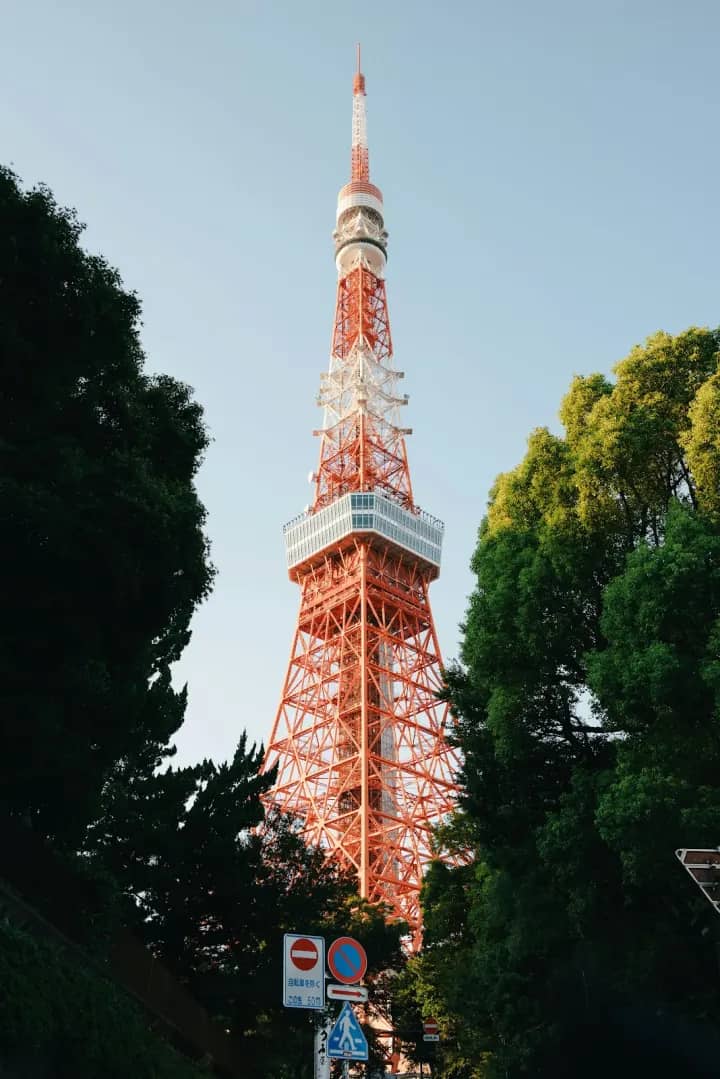
Photo: Jin Kemoole via Wikimedia Commons.jpg>), CC BY 2.0.
Japan's busiest Obon travel period in 2026 runs across Friday, August 7, through Sunday, August 16. Every Nozomi train on the Tokaido and Sanyo Shinkansen will use reserved seats only during those dates. The most widely observed Obon days are August 13 to 16, while Mountain Day on August 11 adds a national holiday to the same travel window.
Traveling through Narita after the August 13 and 14 Chiba flooding? Check the separate Narita Airport rain disruption guide for current JR, Keisei, bus, road and airport-access decisions.
You do not need to cancel a Japan trip because it overlaps with Obon. You do need to stop treating a Tokyo to Kyoto, Osaka to Hiroshima, or other long-distance journey as a flexible same-day decision. Reserve the important train, confirm each business you intend to visit, reduce hotel changes, and keep the hottest part of the day lighter.
Obon 2026 at a glance
| Date | What changes | What a traveler should do |
|---|---|---|
| August 7 to 16 | All Nozomi seats on the Tokaido and Sanyo Shinkansen require reservations | Reserve before reaching the station and check the exact train number |
| August 11 | Mountain Day is a national holiday | Expect holiday demand around the common Obon period |
| August 12 to 15 | Tokushima City holds Awa Odori | Book transport, accommodation and paid viewing areas before arrival |
| August 13 to 16 | Common mid-August Obon observance | Check small businesses and family-run venues directly for closure dates |
| August 16 | Kyoto holds Gozan Okuribi | Choose a safe viewing area and allow for crowds and transport changes |
The dates above come from the 2026 JR Central peak-period notice, Japan's official holiday calendar, the Tokushima Prefecture Awa Odori guide and the 2026 Gozan Okuribi listing. Individual employers and businesses set their own Obon breaks, so there is no single nationwide closure calendar.
What Obon is, and what it is not
Obon is a period for remembering ancestors and gathering with family. Customs vary by region, and some communities observe Bon in July rather than mid-August. The August 13 to 16 period is the main travel concern for most international visitors because many residents return to their hometowns or take summer leave.
Obon is not listed as a national public holiday. Mountain Day on August 11 is. That distinction explains why advice about Japan "shutting down" during Obon is unreliable. A family-run restaurant may close for several days while a department store, museum or convenience store follows its normal calendar. A local train may run normally while the long-distance train you need has no suitable seats left.
Treat Obon as a transport and planning constraint, not a countrywide closure.
Four bookings to check now
- Reserve every essential long-distance train between August 7 and 16. Put the train number and departure station in your calendar.
- Confirm accommodation for the night before each important journey. A cheaper room far from the station can create a difficult transfer with bags in August heat.
- Check the official calendar for any small restaurant, clinic, workshop, museum or attraction that would be hard to replace.
- Decide how to handle large luggage. Reserve the correct Shinkansen seat or arrange delivery before the busiest travel day.
Do not fill every evening with a nonrefundable reservation. One delayed train, heat break or weather warning should not collapse the next two days of the trip.
How the 2026 Nozomi reservation rule works
From August 7 through August 16, all Nozomi trains on the Tokaido and Sanyo Shinkansen operate with reserved seats only. This affects the fastest services on the Tokyo, Nagoya, Kyoto, Shin-Osaka, Okayama, Hiroshima and Hakata corridor.
The rule does not mean every Shinkansen in Japan becomes reservation-only. Hikari and Kodama trains retain non-reserved cars, and other lines use their own train types and booking rules. JR Central warns that the non-reserved cars on alternative services may also be crowded during peak periods.
Use the official Nozomi peak-period page to check the rule before travel. It says standard reserved seats go on sale at 10:00 Japan time one month before departure. Some Shinkansen Online Reservation products can be requested earlier, but inventory and product conditions differ.
If your preferred train is sold out
Search a wider time range before changing the whole route. Early morning, later evening, Hikari and Kodama services, or a move on the preceding or following day may still work. Compare arrival times, not only departure times, because slower services can add a meaningful amount of travel.
Do not build the fallback around standing on a Nozomi. JR Central allows some passengers with a non-reserved limited express ticket to stand on the deck of an ordinary car, but it also warns that overcrowding may prevent boarding. That is a poor plan for children, anyone who cannot stand for long, or a traveler carrying luggage.
If you use a Japan Rail Pass, read the current pass conditions before choosing a train. Standard pass use does not include Nozomi or Mizuho without the separate eligible ticket. Reserve Hikari, Kodama or another covered service instead of assuming a pass guarantees a seat.
Large luggage needs its own reservation
On the Tokaido, Sanyo and Kyushu Shinkansen, baggage with total dimensions over 160cm and up to 250cm requires a seat with an oversized baggage area. Measure length, width and height, then add the three numbers.
The SmartEX oversized baggage guide says these spaces can sell out even while ordinary seats remain available. It also says oversized-baggage seats cannot be requested through the normal advance request used before tickets go on sale. Select the correct seat type and confirm it on the booking screen.
For a trip with several hotel changes, luggage forwarding can remove a difficult station transfer. Confirm the handoff and delivery date with the hotel or carrier. Keep medication, passports, one change of clothes and anything needed that night in a smaller bag.
Should you change a Tokyo, Kyoto and Osaka itinerary?
Keep the route if the important train and hotels are already confirmed. Change the timing if the route depends on buying a long-distance ticket at the station on the day.
| Your current plan | Better Obon decision |
|---|---|
| Several nights in Tokyo with local day trips | Keep the base and avoid adding an unnecessary hotel move |
| Tokyo to Kyoto on August 13 to 16 with no reservation | Search and reserve now, then compare another day if the useful trains are full |
| Kyoto on August 16 for Gozan Okuribi | Confirm the hotel, viewing plan and late return before adding other bookings |
| Hakone, Fuji Five Lakes or a resort stay in the same window | Confirm transport and accommodation instead of assuming a quieter rural stop |
| Flight home after an intercity train | Move closer to the departure airport the previous night or add a large buffer |
| Group with children or large bags | Pay for fewer transfers and known seats rather than the cheapest route |
The Japan National Tourism Organization's August guide notes that big cities can feel less crowded when residents travel elsewhere. That does not guarantee empty attractions or easy intercity transport. Tokyo and Osaka can be workable bases while famous museums, theme parks, observation decks and indoor attractions still sell timed tickets.
Kyoto needs a separate decision on August 16. Gozan Okuribi brings its own evening crowds, and accommodation demand is not the same as an ordinary Obon night.
Will shops and restaurants close during Obon?
Some will, but there is no reliable rule by business type. National chains, transport operators and large attractions often continue operating. Independent restaurants, clinics, workshops and family-run businesses are more likely to publish a short summer closure.
Check the official website or verified social account for each place that matters to the trip. Look for an August notice rather than trusting the usual weekly hours in a map listing. If a special meal is important, reserve it and save one nearby alternative. Keep basic medicine and any child supplies stocked before August 13 instead of relying on one small pharmacy.
Attractions may remain open and still change admission procedures, timed-entry inventory or event access. A normal opening calendar does not guarantee that tickets will be available on arrival.
Two Obon events worth planning around
Obon is a family and religious observance, not one national spectator festival. Public dances and ceremonies are local events with their own meaning and rules. Attend quietly, follow instructions and do not block residents taking part.
Awa Odori in Tokushima, August 12 to 15
Tokushima City's Awa Odori fills the city centre with dance groups, music and public viewing areas from August 12 through 15. Some areas are free and some use paid seating. Tokushima Prefecture calls it the busiest Awa Odori celebration in the region.
This is not a casual day trip to add after the rest of Shikoku is booked. Confirm the current ticket, transport and road-control information through the official prefecture guide and event seller. Reserve the return as carefully as the arrival because large crowds leave after the evening programme.
Kyoto Gozan Okuribi, August 16
Kyoto's Gozan Okuribi lights five mountains in sequence from about 20:00 on August 16. The fires are part of a ritual to see off ancestral spirits at the end of Obon. They are not a fireworks show, and the view differs across the city.
Do not climb the bonfire mountains or enter a closed riverbank for a clearer photograph. Use an official viewing recommendation, follow crowd controls and keep an indoor or streamed alternative if heat, rain or mobility makes an outdoor wait unsuitable. Weather can affect the programme.
Heat and typhoon planning matter as much as crowds
Mid-August is hot and humid across much of Japan. A route that looks relaxed on a map can become difficult when it includes an exposed walk, station transfer and outdoor queue in the middle of the day.
Put temples, gardens and long walks early. Use the hottest afternoon hours for lunch, a museum, a rest or a short indoor activity. Carry water, replace fluids and salts after heavy sweating, and stop when someone develops dizziness, nausea, confusion or unusual fatigue. Do not wait for a booked attraction to make the decision for you.
Typhoons and heavy rain can alter rail and flight plans with limited notice. Install the Safety Tips app and check Japan Safe Travel Information alongside the operator that controls your route. The JNTO emergency guide also lists the 24-hour Japan Visitor Hotline at 050-3816-2787 inside Japan and +81-50-3816-2787 from overseas. Police use 110, and fire or ambulance use 119.
Useful apps for Obon travel
- SmartEX: Reserve and manage Tokaido, Sanyo and Kyushu Shinkansen journeys. Check whether your card can complete registration before you need the ticket.
- The relevant JR booking service: Use JR East Train Reservation or JR West Online Train Reservation when your route falls outside SmartEX coverage.
- Google Maps or Japan Travel by NAVITIME: Compare routes and platforms, then verify major disruption with the railway operator.
- Safety Tips and Japan Safe Travel Information: Receive or check earthquake, tsunami, weather and transport information intended for visitors.
- Google Translate or VoiceTra: Save the hotel address, medical needs and a simple request for help offline.
- Your airline app: Keep the booking reference, terminal, notifications and rebooking route available without searching an inbox.
Open every app before departure. Complete logins, download offline language packs and save tickets to the phone's file storage. An app that asks for a password reset in a crowded station is not ready.
Keep maps and tickets available when mobile service slows
Busy stations and festival areas can make mobile service less predictable. Download the route between each station and hotel, screenshot the train reservation, and save the address in Japanese. Pick a meeting point that works without live location sharing.
A Japan Roaming eSIM plan can keep maps, railway apps and messages available away from hotel WiFi. Install it before departure, but check its activation rule before switching it on. The installation timing guide explains the difference between installing a profile and starting plan validity.
Use the travel data calculator if you expect regular video, social uploads or hotspot use. Confirm compatibility with the phone support checker before paying. For a route that continues beyond Japan, the country versus regional plan guide explains when one Asia plan is simpler.
Obon travel questions
When is Obon in Japan in 2026?
The common mid-August observance is August 13 to 16. For transport planning, use the wider August 7 to 16 peak period because Nozomi trains require reservations throughout that window.
Is Obon a public holiday in Japan?
No. Obon does not appear on Japan's national holiday calendar. Mountain Day on August 11 is a national holiday, and many employers set summer leave around the same period.
Do I need to reserve the Shinkansen during Obon 2026?
Reserve any essential long-distance journey. All Nozomi seats are reserved from August 7 to 16, and non-reserved cars on slower alternatives can also be crowded.
Will Tokyo be closed during Obon?
No. Transport, major stores and attractions continue operating, but individual businesses can close or change hours. Check any place that would be difficult to replace.
Is Kyoto too crowded during Obon?
Kyoto remains visitable, but August 16 needs more planning because Gozan Okuribi adds evening demand. Confirm the hotel, viewing area and return route before adding more activities.
Can I use a Japan Rail Pass on Nozomi?
Standard Japan Rail Pass use does not include Nozomi without a separate eligible ticket. Use the current official pass and JR Central rules when choosing a service.
Should I send luggage ahead?
It is useful when a route has several transfers or a short stop between hotels. Confirm the delivery date, and keep the first night's essentials with you.
Should I avoid Japan during Obon?
Not automatically. A city-based trip with confirmed transport can work well. The risky version is a flexible multi-city route that depends on buying peak-period trains and accommodation at the last minute.
Can visitors join Bon Odori?
Some public dances welcome visitors, while other ceremonies are primarily for the local community. Follow the event's instructions, watch first and treat the observance with respect.
How do I stay connected if a station is crowded?
Use a Roaming eSIM for normal travel data, then keep offline copies of the route, tickets and hotel address. Mobile service is useful, but it should not be the only place your essential information exists.