Madagascar with kids: attractions, itineraries and family travel tips

Madagascar with kids suits families whose main goal is wildlife and who can accept slow roads, guided park walks and uneven facilities. Five days is enough for Antananarivo and Andasibe. Seven days can add nearby highland stops. Ten days can support either a short RN7 section or a flight to Nosy Be, but not a relaxed RN7, Morondava and Tsingy circuit together.
The main difficulty is distance. A route can look sensible on a country map while requiring full days on roads that deteriorate after rain. Park walks need local guides and do not share one standard for toilets, food, changing space or step free access. Medical care is limited, malaria is a current health risk, and tap water is unsafe. Those facts belong at the start of the plan.
Operational details were checked against current travel advice, WHO, Madagascar National Parks, government tourism, UNESCO and venue sources on September 1, 2026. Age ranges, visit lengths and drive windows are editorial planning estimates unless a source states otherwise. Confirm roads, park circuits, weather, facilities and child activity rules before paying.
Madagascar family decisions at a glance
| Decision | Practical starting point |
|---|---|
| Lowest complexity trip | Antananarivo and Andasibe with a private driver |
| Strongest seven day route | Two highland nights, three Andasibe nights and two flight buffer nights |
| Best for toddlers | Lemurs' Park, Ambohimanga and one lodge based Andasibe walk |
| Best for school age children | Andasibe, Ranomafana, Anja and short Isalo circuits |
| Best for teenagers | Longer RN7 walks or a separately planned Tsingy expedition |
| Rental car needed? | A vetted driver and suitable vehicle are usually more practical than self driving |
| Main planning risk | Combining RN7, Morondava and Tsingy without counting road days and seasonal access |
| Child restraints | WHO records no national child restraint use law; arrange an appropriate seat anyway |
| Emergency numbers | 117 from a mobile or 17 from a landline for ambulance or police; 118 mobile or 18 landline for fire |
| Health planning | Seek clinical advice for malaria and vaccines, use boiled or bottled water, and carry evacuation cover |
Which Madagascar stops fit your children?
| Image | Destination or attraction | Best ages | Indoor or outdoor | Allow | Booking requirement | Best base |
|---|---|---|---|---|---|---|
 | Royal Hill of Ambohimanga | 6 and older | Indoor and outdoor heritage | 2 to 4 hours | Driver and guide first | Antananarivo |
 | Lemurs' Park | 3 and older | Outdoor reserve | 2 to 3 hours | Check current tour entry | Antananarivo |
 | Andasibe Mantadia parks | 5 and older | Outdoor rainforest | 2 to 3 days | Park guide required | Andasibe |
 | Ranomafana National Park | 7 and older | Outdoor rainforest | 2 to 3 days | Park guide required | Ranomafana |
 | Anja Community Reserve | 5 and older | Outdoor community reserve | 2 to 4 hours | Local guide required | Ambalavao |
 | Isalo National Park | 8 and older | Outdoor canyon and plateau | Half day to 2 days | Park guide required | Ranohira |
 | Avenue of the Baobabs | 4 and older | Outdoor roadside landscape | 60 to 90 minutes | Driver first | Morondava |
 | Tsingy de Bemaraha | Teenagers for the technical circuits | Outdoor karst reserve | 3 to 5 days from Morondava | Operator, guide and seasonal access required | Bekopaka |
 | Lokobe National Park | 7 and older | Boat and rainforest | Half day to full day | Boat and guide required | Nosy Be |
 | Nosy Be coast day | Any age with supervision | Outdoor coast | Half day to full day | Named beach or operator first | Nosy Be |
These ages are planning suggestions, not safety or accessibility ratings. Road tolerance, trail conditions, heat, insects, swimming ability and the selected circuit matter more than age alone.
Ten questions families ask before booking Madagascar
- Is Madagascar manageable with a toddler? Yes around Antananarivo and a comfortable Andasibe lodge. A multiweek RN7 or Tsingy route is a different level of road and medical planning.
- How much can we fit into ten days? Choose Andasibe plus the highlands, a short RN7 section, or Nosy Be. Do not combine all three.
- Should we use a driver? Usually yes. A local driver handles road changes, fuel, park approaches and security decisions while both adults can focus on children.
- Can the vehicle provide a child seat? Do not assume it. Send the child's height and weight, request the exact restraint and get written confirmation or bring an approved travel seat.
- Which parks work with younger children? Andasibe and Anja offer shorter circuit options, but terrain and sightings vary. Ask the guide for current distance, elevation and toilet access.
- Is Tsingy suitable for children? The technical circuits involve sharp limestone, ladders, harnesses and exposed sections. Treat it as an older teenager expedition with operator limits, not a standard family stop.
- What malaria planning do we need? Madagascar has malaria risk. Ask a qualified travel clinician about prevention, medication and a fever plan before departure.
- Can children drink tap water? Current travel advice says tap water is unsafe. Use boiled or bottled water and avoid ice.
- What changes from December to April? Cyclones and rain can cut coastal access, wash out bridges and make secondary roads impassable without four wheel drive.
- Will phones work inside parks? Do not depend on coverage. Save park contacts, lodge coordinates, tickets, insurance and emergency numbers offline.
Publicly indexed Reddit discussions and family travel pages informed these questions. They were not used to establish legal, medical or operational facts.
Antananarivo and the highlands
Royal Hill of Ambohimanga
Ambohimanga gives children a manageable introduction to Madagascar's royal history before the wildlife route begins. Focus on the fortified gates, royal enclosure and the way the hill remains a sacred place, not just an abandoned palace.
Allow two to four hours including the drive. Steps, thresholds, slopes and uneven ground may limit a stroller. Confirm toilets, food, seating, changing space and photography rules. Families should follow local guidance around sacred areas and any relevant fady, or local taboo.
UNESCO describes the hill as a living cultural and spiritual site. The Royal Hill of Ambohimanga record was last checked on September 1, 2026.
Lemurs' Park
Lemurs' Park can be a short first wildlife session near the capital. Children learn to follow a guide, keep distance and watch animals without feeding or chasing them. It should prepare the family for national park etiquette, not replace a wild habitat visit.
Allow two to three hours. Confirm the current guided visit format, paths, toilets, food, shade, stroller access and changing space. The park is west of central Antananarivo, so combine it with one nearby stop rather than crossing the city several times.
The Lemurs' Park website was last checked on September 1, 2026.
The easiest rainforest route
Andasibe Mantadia parks
Andasibe is the best first rainforest base for families. Children may hear indri before seeing them, then learn how the guide uses calls, movement and feeding trees to locate wildlife. Use one morning walk, a long lodge break and an optional short evening walk.
Stay two or three nights. Circuits differ in mud, roots, slope and duration. A carrier is more useful than a stroller. Confirm toilets at the entrance, food, rain shelter, leech and mosquito preparation, and whether the selected trail can turn back early.
Night walks and private reserves may have separate rules. Madagascar's government park guide was last checked on September 1, 2026.
The RN7 decision
Ranomafana National Park
Ranomafana offers rainforest biodiversity within an RN7 journey, but it is not an easy add on from Andasibe. Children can look for lemurs, frogs and chameleons with a guide who matches the circuit to current trail conditions.
Stay two or three nights. Trails can be wet, steep and slippery. Confirm route distance, elevation, toilets, food, changing space and the family's turnaround point before entering. A carrier and proper shoes matter more than a stroller.
Ranomafana belongs in a southbound itinerary, not a five day Antananarivo trip. The government national park guide was last checked on September 1, 2026.
Anja Community Reserve
Anja gives children a shorter chance to watch ring tailed lemurs among granite rocks and community managed habitat. A local guide can keep the route on the lower paths when the family does not want a more exposed climb.
Allow two to four hours. Confirm current trail difficulty, toilets, shade, food and how close the vehicle can reach. Do not treat animal proximity as permission to touch or feed a lemur.
Anja combines with an Ambalavao stop on the RN7. The Anja Community Reserve website was last checked on September 1, 2026.
Isalo National Park
Isalo is a hiking destination, not a quick viewpoint. Older children can examine sandstone forms, dry vegetation and canyon changes on a short circuit selected with the park guide. The family does not need a full day trek to understand the landscape.
Allow at least half a day after sleeping in Ranohira. Shade and water are limited on exposed sections. Confirm distance, heat, swimming conditions, toilets, food and evacuation access. Start early and keep a firm turnaround time.
Current regional advice tells travelers to use a recognized operator in the southern region and notes security concerns on parts of the RN7. The government park guide was last checked on September 1, 2026.
The west is a separate route
Avenue of the Baobabs
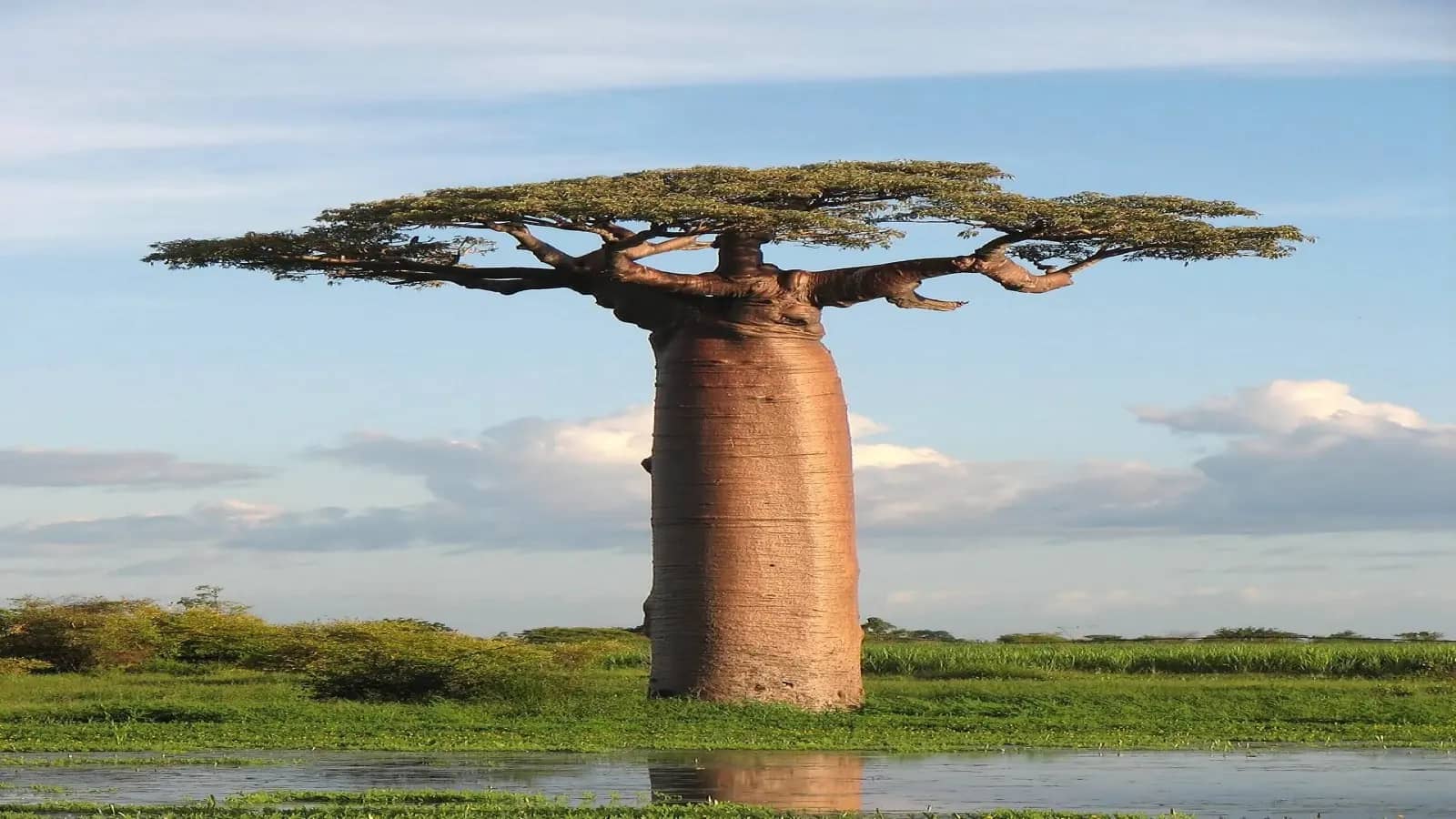
The avenue works as a short landscape stop from Morondava. Children can compare trunk shapes and learn why these trees need protection. It is a public road, so vehicle movement matters more than the photograph.
Allow 60 to 90 minutes. Keep children off the driving line and do not climb trees or damage roots. Confirm current road condition, crowds, toilets and the pickup point. Sunrise or sunset timing adds darkness and traffic risk, so use a known driver.
The Madagascar destination portal was last checked on September 1, 2026.
Tsingy de Bemaraha
Tsingy is the clearest place to say no to a standard family itinerary. The larger circuits can include harnesses, ladders, sharp limestone and exposed bridges. Reaching Bekopaka also requires a long seasonal road journey from Morondava, with river crossings and access that changes after rain.
Allow three to five days from Morondava, not one sightseeing day. Ask the operator for minimum age and size, harness fit, circuit difficulty, evacuation plan, toilets, water, accommodation and current road opening. Families who cannot meet every requirement should choose another reserve.
UNESCO recognizes the reserve for its karst landscape and biodiversity. The Tsingy de Bemaraha record was last checked on September 1, 2026.
Nosy Be as an alternative finish
Lokobe National Park
Lokobe combines a boat transfer with a humid forest walk. Children can search for lemurs, reptiles and plants, but the outing requires confidence around boats, wet landings and uneven paths.
Allow half a day to a full day. Confirm life jackets in the child's size, boat capacity, weather, landing method, trail length, toilets, food and whether the operator can shorten the walk. A stroller is not useful.
Madagascar's government park guide was last checked on September 1, 2026.
Nosy Be coast day
A coast day should be a recovery day, not a boat checklist. Choose a named beach or accommodation with confirmed swimming conditions, shade, toilets and food. Keep children within direct supervision because lifeguard coverage is not consistent.
Allow half a day or a full rest day. Current travel advice notes robberies at isolated beaches and safety problems with some boats. Use an experienced operator, check weather and life jackets, and avoid remote beaches without local guidance.
The official Madagascar tourism portal was last checked on September 1, 2026.
Realistic Madagascar itineraries with children
Five days: Antananarivo and Andasibe
Recover in Antananarivo on day one. Use day two for Ambohimanga or Lemurs' Park. Travel to Andasibe on day three, take one guided walk on day four and return with a flight buffer on day five.
Do not add Ranomafana, Morondava, Nosy Be or Tsingy to this route.
Seven days: slow down the easiest route
Use two highland nights and three Andasibe nights. Add one lodge rest block, one shorter child led walk and two nights that protect the international flight. Lemurs' Park and Ambohimanga can both fit if traffic and energy allow.
Families determined to begin the RN7 should replace Andasibe, not combine both rainforest regions in seven days.
Ten days: choose RN7 or Nosy Be
For an RN7 section, travel from Antananarivo to Ranomafana, Anja and Isalo with several driver days, then fly from Toliara if the current schedule and operator support it. This is still an active road trip and needs a final buffer.
For a lower road load, use Antananarivo and Andasibe, then fly to Nosy Be for Lokobe and coast recovery. Do not add Morondava and Tsingy. A full RN7 route, the west and the north need substantially more time.
Getting around Madagascar with children
Driver and vehicle
Use a recognized operator or hotel arranged driver. Confirm the exact vehicle, seatbelts, child restraint, air conditioning, luggage space, spare tire, fuel plan and the longest section without a toilet. Avoid driving after dark.
Current travel advice warns that road conditions are often poor, secondary roads can become impassable in the rainy season and armed robbery occurs on some routes. It advises against taxi brousses. Check the live regional advice before every long leg.
Domestic flights and boats
A domestic flight can protect family time, but schedules need a buffer and weather can disrupt operations. Keep critical medicine and one change of clothes in hand luggage. For any boat, confirm weather, capacity, maintenance, crew and child size life jackets.
Child restraints
WHO's latest Madagascar profile records a national seatbelt law that does not cover all front and rear occupants and no national child restraint use law. That absence is not a safety recommendation. Bring a suitable travel seat or secure written confirmation of an appropriate restraint.
Family health and daily logistics
Malaria, vaccines and insects
Malaria and dengue are current health risks. Speak to a qualified travel clinician at least several weeks before departure about vaccines, malaria prevention and the correct response to fever. Use age appropriate repellent, long clothing and intact bed nets as advised.
Water, food and medicine
Current travel advice says tap water is unsafe. Drink and use boiled or bottled water and avoid ice. This is especially important for formula and oral medicine. Carry familiar snacks for road days and confirm allergy handling with lodges.
Medical care is limited. Complex cases may require evacuation to another country. Bring prescription medicine, a family first aid kit, accessible funds and insurance that covers the exact route and activities.
Weather, toilets and accessibility
Cyclone season normally runs from November to April. Storms can cut access and contaminate water. Rain also changes park trails and roads. Build a cancellation and relocation plan instead of relying on one remote booking.
Toilets and step free access vary widely. Ask parks, lodges and drivers for exact details and photographs. A carrier is generally more useful than a stroller outside Antananarivo and established hotel grounds.
Apps and offline files for a Madagascar route
Save offline maps, lodge coordinates, park contacts, medical facilities and the day's driver number. Download French and Malagasy language packs. Keep passports, child travel authorization where applicable, insurance and emergency numbers offline on both adults' phones.
Use the official weather service and travel advice for cyclone and road context. Do not use a map app's estimated drive time as proof that a route is open or safe.
Connectivity for towns, drivers and offline park days
Mobile data helps with driver messages, flight changes, maps and translation in towns. It is not a substitute for an agreed pickup point inside a park or on a rural road. Save the day's plan before leaving the lodge.
A Madagascar Roaming eSIM can be installed before departure on a compatible phone, so the family can avoid shopping for and registering a physical SIM after a long arrival. The practical advantage is preparation: check compatibility, install on reliable Wi Fi and keep the usual SIM in place. The public catalog confirms Madagascar, Africa, Global 120 and Global 139 routes containing MG. Choose the country plan for Madagascar only, or compare broader coverage when the actual itinerary includes other countries. Package features, hotspot support, activation timing and reloadability vary by plan.
Before purchase, use the travel data calculator, check phone compatibility and save the installation timing guide. Families comparing other wildlife focused trips can review the different vehicle and health choices in South Africa with kids and Tanzania with kids.
The content gap was consistent: many routes sell wildlife variety but hide the road days and seasonal gates. This guide therefore makes families choose a region, puts Tsingy behind an older teenager and operator check, and treats toilets, water, restraints and medical access as route decisions.