Senegal with kids: attractions, itineraries and family travel tips

Senegal with kids suits families who want culture, wildlife and coast without trying to cross a continent in one holiday. Five days should combine Dakar with Goree and one Petite Cote base. Seven days can add Joal-Fadiouth or the Saloum Delta. Ten days can reach Saint-Louis and Djoudj, but the northern extension needs three nights to justify the road time.
The main difficulty is transport. Urban traffic is slow, suitable child restraints are not standard, and several strong experiences depend on ferries, pirogues or reserve vehicles. Heat, malaria prevention and limited specialist care outside Dakar also change how a family should pace the trip.
Operational details were checked against current government travel advice, WHO, CDC, UNESCO, Senegal tourism and attraction sources on September 1, 2026. Age ranges and visit lengths are editorial planning estimates unless a source states a rule. Confirm tickets, weather, roads, water, facilities and child policies before paying.
Senegal family decisions at a glance
| Decision | Practical starting point |
|---|---|
| Lowest complexity trip | Dakar, Goree and three nights on the Petite Cote |
| Strongest seven day route | Dakar, Bandia, Joal-Fadiouth and one Saloum outing |
| Best for toddlers | Museum, short Dakar stops and a beach base with confirmed shade |
| Best for school age children | Goree, Bandia, Joal-Fadiouth and Saint-Louis |
| Best for teenagers | Goree history, Saloum ecology and Djoudj bird observation |
| Rental car needed? | Not inside Dakar; a vetted driver is simpler for family road legs |
| Main planning risk | Adding Saint-Louis as a rushed day trip from Dakar |
| Child restraints | WHO records no national child restraint use law; bring or prebook an appropriate restraint |
| Emergency numbers | Police 17, fire 18 and medical emergency 15; confirm locally after arrival |
| Health planning | Malaria advice, safe food and water, heat management and medical evacuation cover |
Which Senegal stops fit your children?
| Image | Destination or attraction | Best ages | Indoor or outdoor | Allow | Booking requirement | Best base |
|---|---|---|---|---|---|---|
 | Island of Goree | 7 and older for the history | Ferry, indoor and outdoor | Half to full day | Ferry and museum status | Dakar |
 | Museum of Black Civilisations | 6 and older | Indoor museum | 2 to 3 hours | Check current exhibition access | Dakar |
 | African Renaissance Monument | 6 and older | Outdoor monument | 60 to 90 minutes | Interior access if wanted | Dakar |
 | Bandia Wildlife Reserve | 4 and older | Reserve vehicle | Half day | Vehicle and guide | Saly or Somone |
 | Joal-Fadiouth | 6 and older | Walking and boat | Half day | Local guide and boat plan | Joal-Fadiouth |
 | Saloum Delta | 7 and older | Boat and mangrove | Half to full day | Operator and life jackets | Toubacouta or Palmarin |
 | Island of Saint-Louis | 5 and older | Outdoor heritage | Half day | Guide optional | Saint-Louis |
 | Djoudj National Bird Sanctuary | 7 and older | Wetland and boat | Half to full day | Current season, guide and boat | Saint-Louis |
 | Langue de Barbarie National Park | 7 and older | Coast and boat | Half day | Park guide and conditions | Saint-Louis |
These ages are planning suggestions, not safety or accessibility ratings. Swimming ability, heat tolerance, road time, boat boarding and the selected operator matter more than age alone.
Ten questions families ask before booking Senegal
- Is Senegal manageable with a toddler? Yes on a compact Dakar and Petite Cote route with a carrier, confirmed restraint, air-conditioned breaks and one main outing per day.
- Should a family hire a driver? A vetted driver is usually simpler for Bandia, Joal-Fadiouth, Saloum and Saint-Louis. Confirm the vehicle, restraint and night-driving policy.
- Can a driver supply a child seat? Do not assume it. Send the child's height and weight, ask for a photograph of the exact restraint, or bring an approved travel seat.
- How difficult is the Goree ferry with children? The crossing is short compared with a road day, but queues, sun, boarding and return capacity still need a plan.
- Is Bandia a full safari? It is a compact reserve visit. Treat it as a half-day wildlife drive, not a substitute for a multi-day national park expedition.
- Can children swim on Senegal's Atlantic coast? Only where current local advice and conditions permit. Currents can be strong, so direct supervision and a conservative beach choice matter.
- Is the Saloum Delta suitable for young children? It can be, if the operator has a correctly sized life jacket, shade, a toilet plan and a short route. Inspect those details before booking.
- When is Djoudj worth the northern drive? Visit only when the sanctuary and chosen route are operating and bird conditions fit the trip. Confirm before leaving Dakar.
- What changes during Ramadan? Opening patterns, meal timing and traffic can change. Ask each venue and driver rather than relying on a general calendar assumption.
- What health preparation matters most? Get itinerary-specific advice on malaria, vaccines, food and water, then carry insurance that covers evacuation.
Indexed public discussions and family travel pages informed these questions. They were not used to establish legal, medical or operational facts.
Dakar: history with indoor breaks
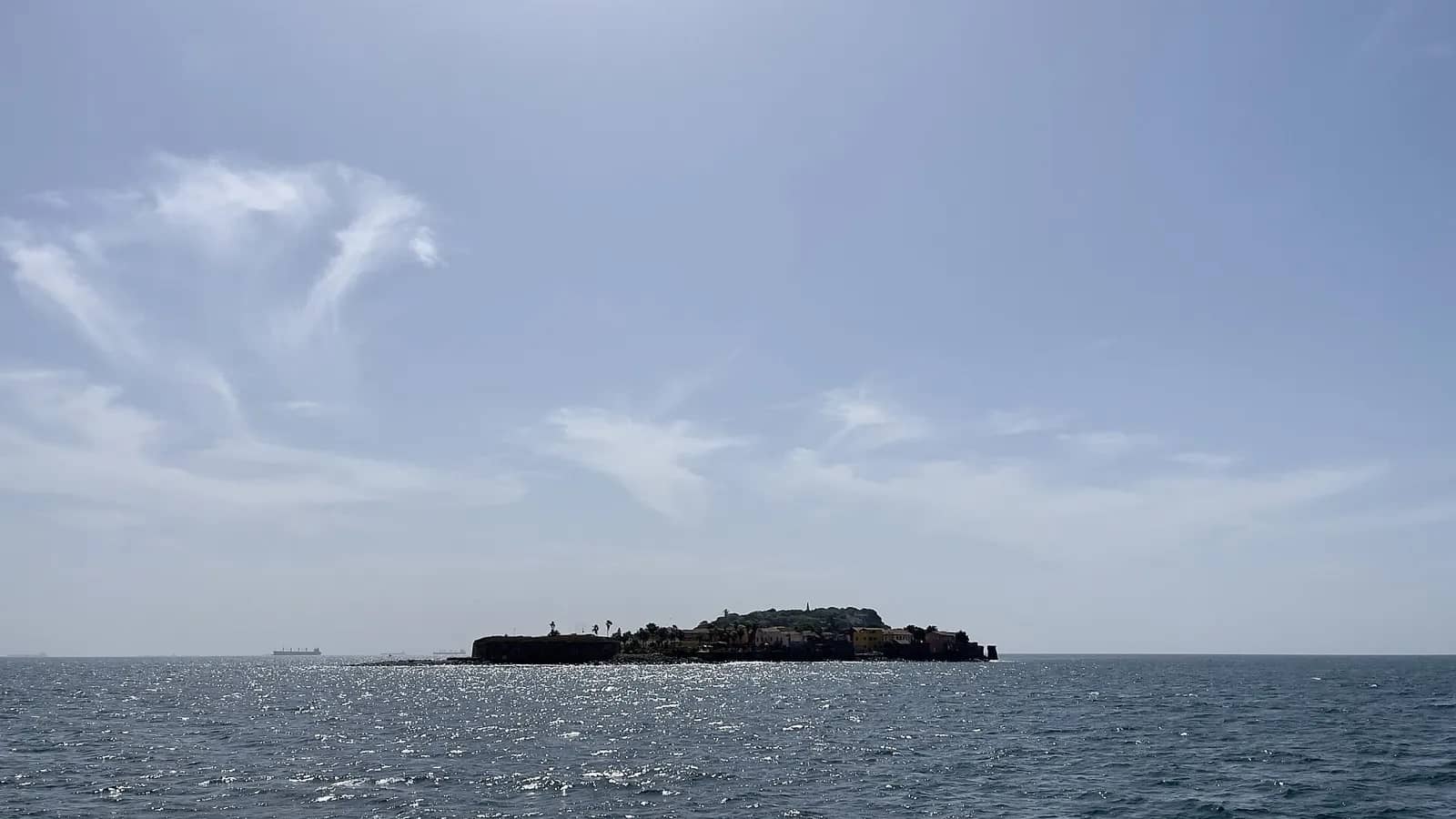
Island of Goree
The ferry makes Goree feel like a distinct day rather than another city stop. Older children can connect the island's buildings, defensive position and memorial sites to the history of enslavement and colonial trade. Adults should introduce the subject beforehand and allow children to step out when an exhibit becomes overwhelming.
Allow half a day at minimum. Use a carrier rather than expecting smooth stroller routes, and keep the return ferry flexible. Confirm ticket identification, queues, museum opening, toilets, food, shade, seating and sea conditions. The waterfront is not a supervised swimming facility.
UNESCO describes Goree as a memory site connected to the slave trade. The Island of Goree record was last checked on September 1, 2026.
Museum of Black Civilisations
The museum is the useful indoor counterweight to Dakar's heat. Children can choose one theme, object or map to follow instead of trying to absorb every gallery. Current exhibitions determine whether the visit works best for primary-age children or teenagers.
Allow two to three hours with a break. Confirm exhibition language, photography rules, lifts, accessible toilets, changing facilities, food and any family programming. A stroller is more practical here than on Goree.
The Museum of Black Civilisations website was last checked on September 1, 2026.
African Renaissance Monument
The monument works as a short geography and public-art stop. Children can identify Dakar's coastline and compare the sculpture's scale from the base. The stairs and exposed approach are the real family decision.
Allow 60 to 90 minutes. Go early or late, carry water and decide before arrival whether anyone will attempt the steps or interior. Confirm toilets, shade, seating, lift status and current entry arrangements. A stroller does not solve the main staircase.
The Senegal tourism ministry was last checked on September 1, 2026.
Petite Cote and Joal: the easiest road extension
Bandia Wildlife Reserve
Bandia gives children a focused wildlife drive within reach of the coast. The value is observation from an appropriate vehicle: look for movement, tracks and habitat rather than promising a particular animal sighting.
Allow half a day and reserve the vehicle and guide directly. Confirm the child seating position, restraint, whether everyone stays inside the vehicle, toilets, food, shade, road condition and wet-season changes. Never feed or approach wildlife, even if another visitor does.
The Bandia Wildlife Reserve website was last checked on September 1, 2026.
Joal-Fadiouth
Joal-Fadiouth lets children see how shell deposits, tidal water, fishing and two connected communities shape daily movement. A local guide can explain the shared cemetery respectfully and keep the visit from becoming a photo stop with no context.
Allow half a day. Walking surfaces can be bright, uneven and hot, while a boat segment depends on tide and operator. Confirm life jackets by child size, boarding, toilets, food, shade, seating and what may be photographed. A carrier is more reliable than a stroller.
The Senegal tourism ministry was last checked on September 1, 2026.
Saloum needs its own base
Saloum Delta
The Saloum Delta is a mangrove and estuary lesson, not simply a boat ride. Children can watch channels, birds, shell mounds and fishing activity change with the tide. The route should match their patience and the operator's safety equipment.
Stay at least two nights in Toubacouta, Palmarin or another established base. Confirm a correctly sized life jacket for every child, boat capacity, shade, boarding assistance, toilet stops, food, tide, wind and emergency communication. Avoid an itinerary that adds hours of driving to a long boat day.
UNESCO identifies a cultural landscape formed by fishing communities, shell mounds and waterways. The Saloum Delta record was last checked on September 1, 2026.
Saint-Louis: a separate northern chapter
Island of Saint-Louis
Saint-Louis rewards a slower walk. Children can compare balconies, street grids, river edges and the bridge connection while older travelers discuss the city's colonial role. Use a guide whose account includes both architecture and the people who lived through that history.
Allow half a day, then stop. Pavements and thresholds are inconsistent, traffic shares some streets and midday heat removes the fun quickly. Confirm museum access, toilets, food, shade, seating and any carriage operator's animal-welfare and safety practices before agreeing to a ride.
The Island of Saint-Louis UNESCO record was last checked on September 1, 2026.
Djoudj National Bird Sanctuary
Djoudj suits children who can sit quietly, use binoculars and accept that wildlife does not perform on demand. The wetland's role in migration is easier to understand when a guide helps the family look at feeding, nesting and water level rather than count species.
Allow half to a full day from Saint-Louis. Operation and access can be seasonal. Confirm the sanctuary is open, the current route, guide, boat, life jackets, sun cover, toilets, food, insects and drinking water before departure. A stroller is not useful on the boat.
UNESCO records Djoudj as a Senegal River delta wetland and major bird sanctuary. The Djoudj record was last checked on September 1, 2026.
Langue de Barbarie National Park
Langue de Barbarie shows the narrow meeting of river, sand and Atlantic water. Children can look for birds and compare calmer channels with the exposed coast, provided the day is led by current park advice rather than a generic beach promise.
Allow half a day. Confirm the official guide, boat condition, child life jackets, landing point, wind, tides, toilets, shade and return time. Do not treat sandbars as fixed or enter the ocean based only on how calm it looks.
The Senegal environment directorate was last checked on September 1, 2026.
Realistic Senegal itineraries with children
Five days: Dakar and one coastal base
Use two nights in Dakar and three around Saly, Somone or another practical Petite Cote base. Give Goree its own day. Use the second Dakar day for the museum and one short outdoor stop, then choose Bandia on one coast morning. Keep the arrival and departure days light.
Seven days: add Joal or Saloum, not Saint-Louis
Start with two Dakar nights, use two nights on the Petite Cote and spend three nights around Joal-Fadiouth or the Saloum Delta. Choose one half-day boat route and leave an unplanned recovery block after it. A family that prefers wildlife can keep Bandia; a family with toddlers may prefer another pool or beach rest day.
Ten days: add the north properly
Use the seven-day outline in a more compact form, then reserve three nights for Saint-Louis. Walk the island on arrival, use one full day for Djoudj if current conditions justify it, and keep Langue de Barbarie as a weather-dependent choice. Return to Dakar with a buffer before the flight.
Getting around Senegal as a family
Airport to Dakar
Blaise Diagne International Airport is outside central Dakar. Prearrange a vehicle or use the current official airport transport offer, and allow extra time for traffic. Ask the provider for the exact meeting point, vehicle, restraint and luggage capacity. Do not plan a same-evening museum or ferry connection after a long-haul arrival.
Dakar and intercity travel
Dakar's TER and bus network can solve specific urban legs, but a crowded vehicle, stairs and the final walk may be harder than the map suggests with a stroller and luggage. Check the TER Dakar and current public-transport information before travel. Keep small bags closed and avoid standing near road traffic with children.
For Bandia, Joal-Fadiouth, Saloum and Saint-Louis, a vetted driver reduces transfers. Avoid intercity driving after dark. Ask about seat belts in every seating position, air conditioning, rest stops, driver hours and breakdown cover.
Child restraints
WHO's 2023 Senegal profile records no national child restraint use law and no national seat-belt law. That is not a recommendation to travel unrestrained. Use an age- and size-appropriate restraint that can be installed correctly in the chosen vehicle. Confirm a compatible three-point belt or anchorage before booking.
The WHO Senegal road-safety profile was last checked on September 1, 2026.
Ferries, pirogues and luggage
For Goree, arrive with time for ticketing and boarding. For Saloum, Joal-Fadiouth and northern parks, ask to see child-size life jackets before departure. A vest marked only for adults is not a child restraint. Pack documents and electronics in a small water-resistant bag that stays with an adult.
Health, water and daily rhythm in Senegal
- Season and heat: The drier months are often easier for road and outdoor plans, while dusty Harmattan conditions or coastal wind can still affect a child. Rain changes unpaved access and boat decisions. Use the ANACIM weather service before travel days.
- School holidays and religious dates: Domestic holidays, Ramadan and major religious gatherings can change traffic, opening and meal patterns. Confirm the exact travel dates locally.
- Meals: Lunch can be the main shared meal. Ask about spice, bones and allergens, and let children try from a family platter only when hand hygiene and serving arrangements work.
- Water: Do not assume tap water is suitable for a visiting child. Use sealed or appropriately treated water for drinking and medicine unless a current health authority gives location-specific advice.
- Malaria and mosquitoes: CDC recommends prescription malaria prevention for travelers to Senegal, with the medicine chosen by itinerary and traveler. Get clinical advice early, use repellent and protect sleeping areas.
- Healthcare: Specialist care is concentrated in Dakar. Carry insurance that covers medical evacuation and save the insurer's assistance number offline.
- Emergency help: Police 17, fire 18 and medical emergency 15 are commonly published numbers. Confirm them with the accommodation because service and response vary by location.
- Sun and ocean: Use shade, hats and frequent water breaks. Atlantic currents can be strong; choose supervised conditions and keep direct adult contact with young swimmers.
- Accessibility: A venue name alone does not prove step-free access. Ferries, pirogues, sand, broken pavements and historic thresholds are recurring barriers. Ask for the complete route from vehicle to activity.
The current UK travel advice and CDC Senegal guidance were last checked on September 1, 2026.
Apps and offline backups for Senegal
- TER Dakar and official transport sites: Recheck the operating route and service notices rather than trusting an old screenshot.
- ANACIM: Use Senegal's weather information before ferry, reserve and road days.
- Organic Maps or Google Maps offline areas: Save the hotel, ferry terminal, clinics and driver meeting points before leaving Wi-Fi.
- Google Translate or another offline French pack: Save medical and food-allergy phrases. Wolof is widely used, while French remains useful for many visitor services.
- Airline and insurer apps: Keep flight changes, policy documents and assistance chat together, with an offline copy as backup.
- WhatsApp: Confirm that the selected guide or driver actually uses it, then save a normal voice-call number too.
Apps change coverage and operating areas. Check the provider's current first-party listing before depending on one.
Connectivity for ferries, drivers and changing plans
Data is useful when the family needs a changed ferry time, a driver location, a weather update or a clinic route. Save the essential information offline first, because a signal is not guaranteed on every road or waterway.
A compatible phone can install a selected Roaming eSIM before departure, avoiding a SIM-shop stop after arrival. The live package card, rather than this guide, is the source for data allowance, validity, hotspot support, network, reloadability and activation rules. Keep the usual SIM in place if the phone supports dual SIM, and check roaming settings before switching data lines.
Use the data calculator to estimate the family's needs, then review the installation guide, phone compatibility guide and Senegal Roaming eSIM plans. Families continuing across borders can compare the country plan with the visible Africa and global options below. The commercial plan-selection intent stays with those product pages, so this guide can stay focused on the trip.