Singapore with kids: attractions, itineraries and family travel tips

Singapore suits families who want an easy public transport system, a mix of indoor and outdoor attractions, and one hotel base for the whole trip. Five days covers the main family areas without treating every afternoon as a race. Seven days is better for preschoolers, first-time visitors and anyone who wants pool or nap time. Ten days works when you want slower mornings, museums and more than one Mandai or Sentosa day.
The hard part is not distance. It is the combination of heat, humidity, sudden rain and expensive timed attractions. A plan that looks light on a map can become tiring after an outdoor morning. Build each day around one main booking, keep an indoor fallback nearby, and avoid scheduling Mandai, Sentosa and a late-night show on consecutive days.
This guide was checked against official attraction, transport, health and government sources on July 29, 2026. Suggested ages, visit times and journey times are editorial planning ranges rather than venue rules. Recheck the linked official page before booking because exhibitions, closures, entrance routes and ticket conditions can change.
Singapore family trip at a glance
| Trip decision | Practical starting point |
|---|---|
| Best first trip | 5 to 7 days with one central hotel base |
| Best for toddlers | Children's Museum, Jacob Ballas Children's Garden and the water-play areas at Gardens by the Bay |
| Best for ages 4 to 8 | KidsSTOP, Singapore Zoo, Children's Museum and Keppel Centre |
| Best for ages 8 to 14 | Singapore Zoo, ArtScience Museum, Singapore Oceanarium and Canopy Park |
| Car needed | No; MRT, buses and occasional booked rides cover the main family areas |
| Main stroller issue | Crowded lifts, some attractions that require stroller parking, and outdoor heat rather than citywide steps |
| Emergency numbers | 995 for fire or emergency ambulance; 999 for police |
| Sensible daily pace | One booked attraction, one nearby flexible stop and a proper midday break |
Which Singapore attractions fit your family?
| Image | Attraction | Best ages | Setting | Allow | Book ahead? | Best base |
|---|---|---|---|---|---|---|
| Far East Organization Children's Garden | 1 to 12 | Outdoor and water play | 1.5 to 2.5 hours | No, but check closure days | Marina Bay or City Hall |
 | Singapore Zoo | 3 to 12 | Mostly outdoor | 4 to 6 hours | Yes | City centre or Novena |
 | KidsSTOP | 18 months to 8 | Indoor | One 3-hour session | Yes | City centre or Jurong East |
 | Children's Museum Singapore | 2 to 10 | Indoor | 1 hour 45 minutes | Yes, timed entry | City Hall or Bugis |
 | ArtScience Museum | 5 to 14 | Indoor | 2 to 3 hours | Recommended | Marina Bay or City Hall |
 | Keppel Centre for Art Education | 4 to 12 | Indoor | 1.5 to 2.5 hours | Check current entry rules | City Hall or Bugis |
 | Jacob Ballas Children's Garden | 2 to 12 | Outdoor and water play | 2 to 3 hours | No for a family visit | Orchard or Botanic Gardens |
 | Singapore Oceanarium | 3 to 14 | Indoor | 3 to 4 hours | Yes, timed entry | HarbourFront or Sentosa |
 | Canopy Park | 3 to 12 | Indoor garden and play | 1.5 to 2.5 hours | Yes for timed play attractions | Changi or city centre |
The age ranges above describe where the activity is likely to hold attention. They are not admission rules. Check official height limits, child supervision rules and sensory information for the exact experience you plan to use.
Marina Bay and the Civic District
This cluster works well for the first two days because it keeps transfers short. Put outdoor water play in the morning. Save an indoor museum for the hotter part of the day, but do not assume a child will want two full attractions simply because they are close.
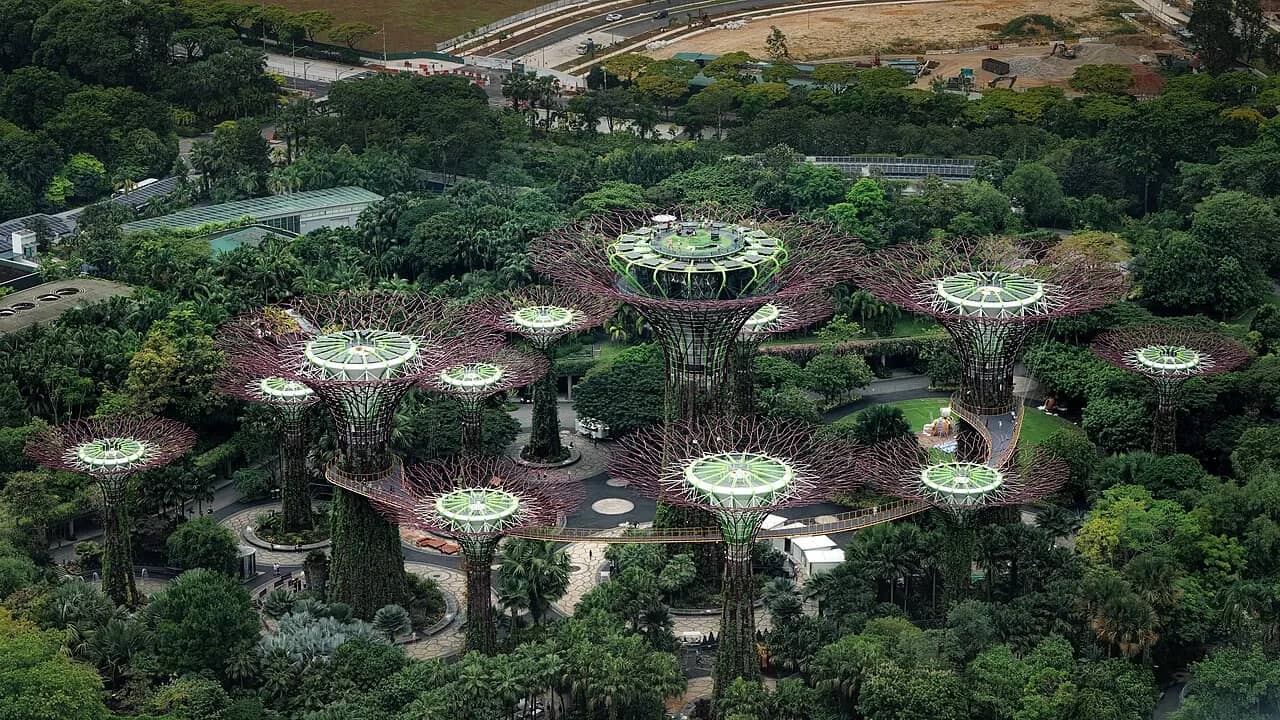
Far East Organization Children's Garden
Children can climb, balance and use separate water-play areas, including a toddler zone designed for ages one to five. The larger garden is for children aged 12 and below. Allow up to two and a half hours if water play is the main event, and pack a change of clothes plus footwear that can get wet.
The attraction is outdoors, so a stroller works on the main approach but does not remove the need for shade, water and weather checks. Admission is free. The official page lists changing opening patterns during school holidays and a new entrance near the Sun Pavilion from March 26, 2026. Check the Children's Garden visitor page on the morning of your visit. Gardens by the Bay MRT is the useful rail stop for the south side of the gardens, while Bayfront can suit families combining the visit with Marina Bay Sands. Official details checked July 29, 2026.
ArtScience Museum
ArtScience works best for children who enjoy projection, light, sound and interactive installations. Exhibitions change, so choose the gallery first and then decide whether it suits your child's age and tolerance for dark rooms or sensory effects. Allow two to three hours for one main exhibition and an unhurried break.
The museum has lifts, wheelchair-friendly washrooms, baby-changing facilities, child-friendly toilet seats, water coolers, seating and luggage storage. Strollers must be parked for some exhibitions because of space and artwork safety. The official visitor information recommends advance tickets and explains the current stroller rules. Bayfront MRT is the nearest useful station. Official details checked July 29, 2026.
Children's Museum Singapore
This is a compact, hands-on museum scaled for children aged 12 and below. Most exhibits target ages five to twelve, while the Play Pot area is intended for children up to four. The fixed visit slot lasts one hour and 45 minutes, which makes the museum easier to place around lunch or a nap than a half-day attraction.
Advance booking is required and late arrival can shorten or invalidate a slot. Strollers are not allowed in the galleries; limited unmanned stroller parking is available. The museum has a nursing room with a changing table, water dispenser and seating, plus a calm corner and sensory bags. Its protected building uses a small wheelchair lift, so families with larger mobility equipment should contact the museum before booking. Read the official family FAQ and accessibility information. City Hall MRT is about an eight-minute walk according to the museum. Official details checked July 29, 2026.
Keppel Centre for Art Education
The Keppel Centre inside National Gallery Singapore is designed for ages four to twelve. Children can draw, build and respond to Southeast Asian art through play rather than walking through a conventional gallery in silence. Allow about two hours, then decide whether the rest of the gallery suits your group.
National Gallery permits standard-size strollers in its galleries and provides stroller parking at the Keppel Centre entrance. Lifts serve every floor. Baby-changing rooms, drinking fountains, accessible toilets, seating and a calm room are available in the wider building. Some Keppel Centre zones use dimmer light or sound, and the venue publishes a specific access advisory. Check the Keppel Centre information and gallery visitor page before going. City Hall MRT has a sheltered route to the gallery. Official details checked July 29, 2026.
Mandai: choose one wildlife park first
Mandai contains several large wildlife attractions. A first-time family does not need to complete all of them. Singapore Zoo is the clearest starting point, especially with children who want active animal areas rather than a late Night Safari finish.
Singapore Zoo
Children can follow open animal habitats, use KidzWorld and break up the walking with the included tram. Four to six hours is realistic. Trying to add another full Mandai park on the same day often turns the afternoon into a march, especially in humid weather.
The zoo is designed for strollers and wheelchairs. Strollers and wagons can be rented, and selected trams have wheelchair spaces. Nursing rooms, changing facilities, first aid, food outlets and water points appear around the park. Some rides and animal experiences require strollers to be folded or parked. Use the official Singapore Zoo visitor page and Mandai facilities guide to plan the route. From central Singapore, allow about an hour by MRT plus shuttle or bus, with extra time for waits. The Mandai app has the live map and schedules. Official details checked July 29, 2026.
Jurong East and the Botanic Gardens
KidsSTOP is west of the city centre. Jacob Ballas Children's Garden sits closer to central Singapore. They can share a day with school-age children who handle transitions well, but toddlers may do better with one attraction and a quiet afternoon.
KidsSTOP at Science Centre Singapore
KidsSTOP is built for children aged eight and below, with hands-on zones covering building, flight, space, nature and role play. The useful age band starts at about 18 months. Sessions run for three hours, but a preschooler does not need to stay until the end.
Buy a session before travelling across the city. Strollers, food and drinks are not allowed inside KidsSTOP, and socks are required in several play zones. The venue offers sensory guides, sensory bags and selected quiet sessions. Use Science Centre facilities for food and toilet breaks before entry. Read the official KidsSTOP guide and house rules. Jurong East MRT is the useful transport hub, followed by a walk or local bus. Official details checked July 29, 2026.
Jacob Ballas Children's Garden
Children can use a treehouse, nature trails, play equipment and water features inside Singapore Botanic Gardens. The official attraction covers children up to 14, while the water-play area is intended for ages two to twelve. Two to three hours is enough before the heat or wet clothes become the whole story.
The garden is wheelchair accessible and has a changing area plus refreshments at the entrance. Main paths are manageable with a stroller, but play structures and wet areas require children to get out. Much of the visit is outdoors. Go early, bring dry clothes and leave when lightning or heavy rain is forecast. Adults can enter only when accompanying a child. Check the official Jacob Ballas Children's Garden page for the closure day and current visitor notices. Botanic Gardens MRT is the practical station for this entrance. Official details checked July 29, 2026.
Sentosa: give the oceanarium its own half-day
Sentosa has enough attractions for more than one day, but stacking the oceanarium, Universal Studios, the beach and evening entertainment is rarely useful for younger children. Start with one paid anchor and leave the rest flexible.
Singapore Oceanarium
Children move through large marine habitats, closer viewing areas and learning spaces. It suits a wide age range because preschoolers can watch the tanks while older children can spend more time on the science and conservation material. Allow three to four hours, including stops for dark rooms or crowded viewing windows.
The oceanarium permits strollers and wagons and has ramps, lifts, accessible toilets, nursing rooms, restrooms and free Wi-Fi. Baby food and formula are exceptions to its no-outside-food rule. Tickets use arrival slots, and the venue warns that entry outside the selected time depends on crowd levels. Read the official FAQ and accessibility page. From HarbourFront, use the Sentosa Express or an official island transport option to Resorts World. Official details checked July 29, 2026.
Changi: use Jewel on an arrival or departure day
Jewel is landside and connected to the airport terminals, so it can replace a separate city trip when flight timing and luggage storage make sense. Do not schedule a paid play session immediately after a long overnight flight unless the children are genuinely awake.
Canopy Park at Jewel Changi Airport
The basic Canopy Park ticket covers garden walks, fog bowls, topiary and slides. Nets, mazes and other activities have separate conditions, time slots or height limits. Ages three to twelve get the broadest use from the park, but the exact fit depends on the child's height and confidence.
Allow up to two hours. Food and drinks are not allowed inside, small lockers are available, and larger luggage belongs at Jewel's paid baggage storage on Level 1. Some tickets permit same-day re-entry, while timed attractions can refuse late arrivals. Review the official Canopy Park page and Jewel FAQ before buying. Jewel is linked to Terminal 1 and reached from Terminals 2 and 3 by pedestrian connections. Official details checked July 29, 2026.
Realistic Singapore itineraries for 5, 7 and 10 days
Arrival and departure days count. These plans leave room for meals, wet clothes, slow MRT transfers and the afternoon when nobody wants another ticketed experience.
5 days: the main family areas
| Day | Plan |
|---|---|
| 1 | Arrive, settle in and use Jewel only if flight timing and energy make it easy |
| 2 | Children's Garden early; lunch and a long indoor break; ArtScience Museum only if booked |
| 3 | Singapore Zoo, then return to the hotel without a second major attraction |
| 4 | Children's Museum or Keppel Centre; flexible Civic District walk after the visit |
| 5 | Singapore Oceanarium, then depart or keep the evening unbooked |
Families with children under five should choose either Children's Museum or Keppel Centre rather than forcing both into day four. KidsSTOP can replace the Civic District day when hands-on science matters more than art and heritage.
7 days: add recovery time and the west
| Day | Plan |
|---|---|
| 1 | Arrival and a short meal near the hotel |
| 2 | Children's Garden and one Marina Bay indoor attraction |
| 3 | Singapore Zoo |
| 4 | Pool, laundry or a slow neighborhood morning; Children's Museum late only if the family has energy |
| 5 | KidsSTOP at Science Centre Singapore |
| 6 | Singapore Oceanarium with the rest of Sentosa kept flexible |
| 7 | Jacob Ballas Children's Garden early or Jewel before departure |
This is the most balanced first-trip plan. It gives the outdoor attractions a weather buffer and keeps a free half-day after Mandai.
10 days: slower days, not ten packed days
Use the seven-day route, then add three choices rather than three obligations: a second Mandai park on its own day, a beach morning on Sentosa, and a free day for a museum, neighborhood or repeat visit. Keep at least one day without advance tickets.
With ten days, stay in one hotel unless there is a specific reason to sleep on Sentosa. Singapore's transport network makes a hotel move more work than it saves. A split stay is useful only when the final nights are part of a resort break rather than a transport shortcut.
Getting around Singapore with children
You probably do not need a rental car
MRT trains and public buses reach every area in this guide. All trains and public buses are wheelchair accessible, and open strollers within the stated size limits can travel onboard. On buses, use the designated space, apply the stroller brake and secure it with the restraint when available. The Land Transport Authority's family access guidance gives the current rules.
MRT stations have lifts, but a transfer with a stroller can take longer than the route planner suggests. Avoid weekday commuter peaks when possible. A compact stroller is easier in lifts and museums, but a carrier still helps when a venue requires stroller parking.
Car seats in taxis and private-hire cars
Singapore requires an approved child restraint for a child below 1.35 metres in a private car or private-hire car. Street-hail taxis are exempt from the child-seat rule. That legal exemption does not make an unrestrained ride the safest choice, so families with infants should plan around MRT travel, their own approved restraint or a pre-booked service that confirms the correct seat.
The Singapore Police Force publishes the 1.35-metre rule and approved restraint standards. The Land Transport Authority explains the taxi exemption and says private-hire rides can be booked with a child-seat requirement. Do not assume a booster option fits a baby or that two seats will be available. Confirm the child's age, height and seat type before the driver is assigned.
Airport to city options
The MRT is the lowest-friction choice when the hotel is near a station and each adult can manage the luggage. The airport route requires a transfer at Tanah Merah for most city journeys. Allow roughly 50 to 70 minutes from terminal to hotel after accounting for walking, lifts and the transfer.
A licensed taxi is easier with several large bags, but apply the child-restraint decision above before using one. Changi Airport says a taxi journey to the city usually takes about 30 minutes in normal conditions. Private-hire pick-up points are separate from taxi stands. Use the official Changi transport page for current pick-up locations and train instructions.
Planning times between family areas
| Journey | Time to allow with children |
|---|---|
| Central hotel to Marina Bay | 20 to 40 minutes |
| Central hotel to Mandai | 50 to 80 minutes by public transport |
| Central hotel to Jurong East | 35 to 60 minutes |
| City Hall to Sentosa oceanarium | 35 to 55 minutes |
| Changi Airport to central hotel | 50 to 70 minutes by MRT; about 30 minutes by taxi in normal traffic |
These are planning allowances, not timetable promises. Add time for the walk to the platform, lifts, toilet stops and the final transfer from a station to the entrance.
Family logistics that matter in Singapore
Heat, rain and school-holiday crowds
Singapore is hot and humid throughout the year, with thunderstorms possible in any month. Put exposed gardens and the zoo early in the day. Carry water, hats, sun protection, a light rain layer and dry clothes after water play. Move indoors when lightning warnings are active rather than sheltering under a tree.
The myENV app provides rain, lightning, heat, haze and flash-flood alerts. Singapore school breaks increase local demand at family attractions, especially around March, June, September and late November through December. Check the Ministry of Education calendar and each attraction's booking calendar.
Meals with children
Hawker centres and food courts make it easy to buy different dishes for different appetites. They do not all provide high chairs, air conditioning or a quiet table. With a toddler, pair a hawker meal with a nearby mall or museum where you know there are toilets and somewhere to cool down.
Lunch is commonly busiest around noon and dinner from roughly 6:30pm onward. Eat earlier when a child needs a high chair, a quieter table or a reliable nap schedule. Plain rice, noodles, soup, eggs, fruit and bakery food are usually easier starting points than ordering an unfamiliar spicy dish for everyone. Ask about allergens directly. Do not rely on a translated menu alone when an allergy is severe.
Water, pharmacies and medical care
Singapore tap water is suitable for drinking directly from the tap according to PUB, Singapore's national water agency. Refill bottles before long outdoor sections, but check whether a specific attraction permits drinks in its galleries.
For mild problems, the Ministry of Health recommends a pharmacist or GP rather than a hospital emergency department. Use the official medical help guide and pharmacy directory guidance. Call 995 for a life-threatening medical emergency or fire, and 999 for police. The Singapore Civil Defence Force explains when to use 995.
Accessibility limits
Singapore's transport network and many major venues have step-free routes, but that does not make every play area or outdoor trail accessible. Stroller-friendly also does not mean a child can remain in a stroller during an interactive exhibit. Check the official access page for each attraction, then contact the venue when lift dimensions, sensory conditions, changing equipment or step-free access will decide whether the visit works.
Useful Singapore apps for a family trip
- MyTransport.SG: official bus arrivals, rail information, station exits and transport planning.
- myENV: official rain, lightning, heat, haze and environmental alerts.
- Mandai app: park maps, presentation times and wayfinding for the wildlife parks.
- Singapore Oceanarium app: maps and visit information inside the attraction.
- Google Maps or Apple Maps: save the hotel, attraction entrance and food fallback before leaving Wi-Fi. Download offline map coverage where the app supports it.
- Google Translate: download the languages your family may need and save allergy or dietary notes offline. English is widely used, but an offline translation can help with a specific ingredient question.
- Official venue websites and apps: buy attraction tickets from the operator, save the confirmation locally and take a screenshot of every QR code.
- Grab, Gojek or CDG Zig: useful for a late or luggage-heavy ride. Select the correct child-seat service for private-hire travel rather than booking a standard car and negotiating at pick-up.
- Airline and Changi Airport apps: keep boarding, terminal and baggage information on the phone, but also take screenshots in case an account session expires.
Mobile data without making it the centre of the trip
Family phone use is mostly practical: route changes, rain alerts, attraction tickets, ride bookings and messages when adults split up. Download the hotel address, daily route, ticket QR codes and one emergency contact before leaving Wi-Fi. Screenshots remain useful when a venue basement or crowded area has weak reception.
Use the travel data calculator if you do not know whether the trip needs a small shared allowance or a larger plan for video and hotspot use. Check phone compatibility before buying, and follow the installation timing guide so the Roaming eSIM is ready before arrival without starting the plan too early.
For Singapore only, choose a Singapore Roaming eSIM. If the route continues overland or by air, compare a Singapore and Malaysia Roaming eSIM with a broader Asia Roaming eSIM. The country versus regional plan guide explains the coverage tradeoff without repeating it here.
Families comparing a compact city-country trip with a longer road or rail route can also use the planning framework in Portugal with kids. Each country keeps its own attraction and logistics guidance on one page.
Image credits
- Gardens by the Bay: Mustang Joe, Wikimedia Commons, CC0.
- Singapore Zoo: Jakub Halun, Wikimedia Commons, CC BY 4.0.
- Science Centre Singapore: Actuall7, Wikimedia Commons, CC BY 4.0.
- Children's Museum Singapore: Choo Yut Shing, Wikimedia Commons, CC BY 2.0.
- ArtScience Museum: Basile Morin, Wikimedia Commons, CC BY-SA 4.0.
- National Gallery Singapore: Basile Morin, Wikimedia Commons, CC BY-SA 4.0.
- Singapore Botanic Gardens: Basile Morin, Wikimedia Commons, CC BY-SA 4.0.
- Aquarium gallery photographed before the Singapore Oceanarium expansion and rebrand: Jakub Halun, Wikimedia Commons, CC BY 4.0.
- Canopy Park: cattan2011, Wikimedia Commons, CC BY 2.0.