Asian Games 2026 tickets, schedule and Nagoya travel guide

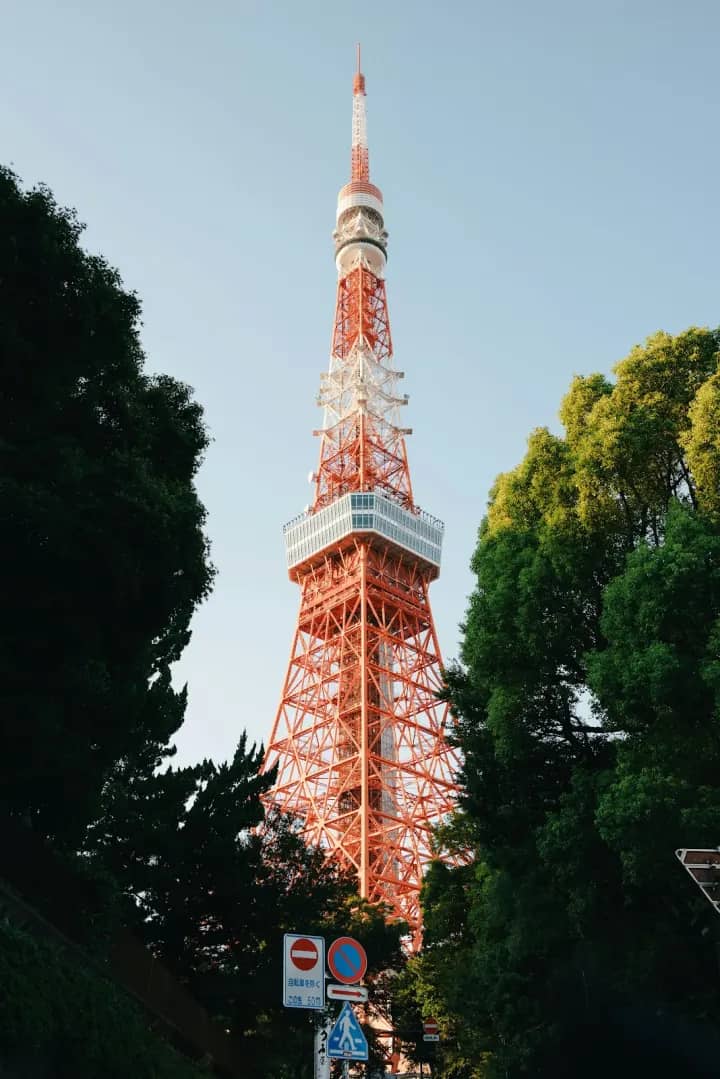
Photo: なごやか via Wikimedia Commons, released under CC0 1.0. The photograph was taken in March 2026.
The Aichi-Nagoya Asian Games officially run from Saturday, September 19 through Sunday, October 4, 2026, but ticketed competition begins on September 10. International visitors can buy tickets in the general sale. The first booking decision is not which sport looks interesting. It is where and when that session takes place.
The official programme lists 43 sports across 53 venues. Some are in central Nagoya. Others are in Toyota, Okazaki, Toyohashi, Gifu, Shizuoka, Osaka, Tokyo and Izu. A hotel beside Nagoya Station can work well for several city sessions and badly for a morning event hundreds of kilometres away.
This guide was checked on August 22, 2026. The organizer changed the competition schedule on August 19, cancelled eight sessions and added inventory for selected events. Official resale is now open, and a new Asian Q Ticket lets buyers purchase eligible unreserved seats without registering for a Supporter ID. Recheck the official ticket site, August 19 schedule notice and spectator access pages before paying for a non-refundable journey.
The short answer: choose a current session on the official site, confirm its exact venue, and then book the hotel. Use Nagoya for central venues, consider Toyohashi for the eastern Aichi coast, and stay near the venue for sessions in Tokyo, Izu, Osaka or Shizuoka. Check the revised schedule before every booking because a ticket cannot be transferred to another session when the organizer cancels one.
Aichi-Nagoya 2026 at a glance
| Decision | Current answer |
|---|---|
| Games dates | September 19 to October 4, 2026 |
| First ticketed competition | September 10, before the opening ceremony |
| Programme | 43 sports at 53 listed venues |
| Main host area | Nagoya and Aichi Prefecture |
| Other venue areas | Gifu, Shizuoka, Osaka, Tokyo and Izu |
| International tickets | Included in general sales with no purchaser restriction |
| Sales method | First come, first served while a session remains available |
| Official ticket account | Supporter ID for general sales; eligible Asian Q Tickets need no ID registration |
| Official resale | Live for eligible e-tickets, with session-specific deadlines |
| Transport principle | Public transport, with some venue-specific shuttles, accessible transfers, park-and-ride or parking |
| Opening holiday pressure | The Games open during Japan's five-day September holiday from September 19 to 23 |
| Free city programme | ONE ASIA WORLD in Sakae from September 19 to October 4 |
| Best planning order | Session, exact venue, access route, hotel, return plan |
Buy a session before choosing your hotel
The event name makes this sound like one Nagoya stadium operation. It is not. The official venue list reaches well beyond the city and, for a few sports, beyond Aichi Prefecture.
Use this sequence for every ticket:
- Select the sport and date on the official ticket site.
- Read the full venue name instead of relying on the host label.
- Open that venue on the official spectator access page.
- Check the route at the same time of day as the session.
- Add entry time, security, transfers and the journey back.
- Book the hotel only after that route still looks reasonable.
This matters most for spectators combining several sports. Swimming is split between Tokyo, Hamamatsu and Nagoya. Football uses venues in Aichi, Gifu, Shizuoka and Osaka. Cycling includes Izu as well as Aichi. Two sessions under one sport can require completely different bases.
Which Asian Games venue area should you stay in?
The clusters below are a planning shortcut, not a replacement for the official access page. A sport can use more than one venue, and a medal session may not be held where an earlier round took place.
| Venue cluster | Examples from the official list | Practical base |
|---|---|---|
| Central Nagoya | Mizuho Park, Aichi International Arena, Rainbow Hall, the prefectural martial arts hall | Nagoya Station, Sakae or a subway stop matched to the venue |
| Kinjo-futo and airport side | Portmesse Nagoya, Nagoya Kinjo-futo Arena, Aichi Sky Expo | Nagoya for several days, or the airport area for an early Aichi Sky Expo session |
| Toyota, Okazaki, Kariya and Anjo | Toyota Stadium, Okazaki sports park, Wave Stadium Kariya, Anjo Sports Park | Nagoya for occasional trips; a local base for repeated early or late sessions |
| Toyohashi, Tahara and Gamagori | Toyohashi Gymnasium, Pacific Long Beach, Gamagori triathlon venue | Toyohashi is often the more sensible eastern Aichi base |
| Outside Aichi | Tokyo Aquatics Centre, Izu Velodrome, Shizuoka Stadium Ecopa, Nagai Stadium in Osaka | Stay near that venue rather than commuting from Nagoya |
Nagoya Station or Sakae?
Nagoya Station is the stronger transfer base for the Shinkansen, JR lines, Meitetsu airport trains and westbound travel. Sakae works well for city evenings and the free ONE ASIA WORLD programme around Hisaya-odori Park and Oasis 21.
Neither area wins for every venue. Choose Nagoya Station when the journey repeatedly begins on mainline rail. Choose Sakae when most sessions are on the Nagoya subway network and the city-centre programme matters. A hotel beside the right suburban line can beat both.
When Toyohashi is a better base
Toyohashi reduces repeated travel to several eastern Aichi locations and puts visitors closer to Tahara's surfing venue. It also connects to the Tokaido Shinkansen and local lines. Do not assume this makes every coastal event simple. The final transfer to a temporary or outdoor venue may still depend on an official shuttle.
When to change hotels
Changing hotels is reasonable when the next session moves to Tokyo, Izu, Osaka or a distant Shizuoka venue. It may also help when several consecutive sessions begin early in eastern Aichi. One planned move is usually easier than three dawn commutes with uncertain event shuttles.
How international visitors can buy Asian Games 2026 tickets
The official ticket information says general sales include international buyers and have no purchaser restriction. Tickets are first come, first served. The ordinary sale opened June 30 and runs until each session date while seats remain, although closing times vary by sales channel.
There are now four official routes worth distinguishing:
| Ticket route | Account needed | What it is useful for | Important limit |
|---|---|---|---|
| General sale | Supporter ID | Reserved and unreserved seats shown on the official sales site | Inventory and closing time vary by session |
| Asian Q Ticket | No ID registration | Eligible unreserved general, child and disability tickets | Apple Pay or Google Pay; not eligible for resale |
| After 4 Ticket | Supporter ID | Selected sessions with entry from 16:00 | E-ticket only; not eligible for resale |
| City Ticket Office | No online checkout | In-person help and paper tickets at Oasis 21 in Sakae | Open only through September 6; no resale service |
The Asian Q Ticket is the simplest route when the eligible session and unreserved category suit your plan. It is not a replacement for every general-sale ticket. The organizer's Asian Q notice says wheelchair, Heartful and After 4 tickets are excluded.
Start from the official English ticket page. Separate authorized ticket agencies use their own accounts and do not all carry the same sports. The organizer says tickets bought through unofficial channels will not be accepted for entry.
Before payment, confirm:
- sport and discipline;
- session code, date and start time;
- full venue name;
- seating category or admission type;
- ticket delivery or collection method;
- account access from the phone you will carry;
- refund, resale and change terms shown during checkout.
Official resale is open
The official resale service opened on August 4. Buyers find available resale stock on the official sales site, marked with a circular-arrow resale icon. Sellers can list eligible e-tickets until 23:59 three days before the session. The opening and closing ceremonies have earlier deadlines. The opening ceremony resale deadline has passed; the closing ceremony deadline is September 7 at 23:59 JST.
Not every ticket can be listed. The official resale instructions exclude hospitality packages, Asian Q Tickets, After 4 Tickets and several other categories. Some sports are temporarily or entirely excluded. Use the resale button inside the official site rather than assuming a third-party listing will work at the gate.
A session marked unavailable may return
The organizer added tickets on August 19 for the opening and closing ceremonies, athletics, shooting, table tennis, badminton, volleyball and artistic swimming after venue capacity was finalized. That release included sessions previously shown as unavailable. It does not mean every unavailable session will return. Check the official site instead of paying a stranger for a promised transfer.
Recheck the August 19 schedule before booking travel
The August 19 revision changed schedules across much of the programme. Eight water polo, handball and weightlifting sessions were cancelled, and the organizer says those tickets will be refunded after the Games. They cannot be used for another date or sport. Affected buyers should receive an email, but everyone should compare the session code in their order with the latest official schedule.
Team draws were completed for football, volleyball, handball, sepaktakraw, rugby, men's water polo, cricket and kabaddi. Open the current draw before buying a team-specific trip. Do not use an old bracket or early preview as the final pairing list.
Ceremony tickets require advance identity registration
Opening and closing ceremony spectators must register each attendee before the published deadline and bring the same accepted identity document to the venue. The ceremony registration page says entry will be refused when registration or identity verification cannot be completed. This rule does not apply to ordinary sports sessions.
Build a realistic multi-sport schedule
A calendar with an empty afternoon does not prove that two sessions fit. The useful calculation is door to door.
For each session, add:
- hotel to station;
- rail or bus transfers;
- any event shuttle wait;
- the walk from the stop to security;
- a buffer for ticket or bag checks;
- session overrun;
- the full return route.
Keep two sports on the same day only when the venues share a genuine transport corridor and the first session has a predictable finish. A morning in Tokyo and an evening in Nagoya may look possible on a fast-train timetable, but it leaves little protection from queues, overtime or a missed connection.
A focused four-day plan
- Day 1: arrive at Centrair, reach Nagoya, confirm ticket access and walk the first station transfer without event pressure.
- Day 2: attend one central Nagoya session and visit ONE ASIA WORLD in Sakae afterward.
- Day 3: attend a second session in the same transport cluster rather than crossing the prefecture.
- Day 4: allow one longer Aichi trip, then return before the last practical connection.
A broader eight-day plan
- Group the first three or four sessions around Nagoya.
- Move once to Toyohashi if several eastern Aichi events justify it.
- Use one unscheduled half-day for weather, a changed session or ordinary sightseeing.
- Put any Tokyo, Izu or Osaka event at the start or end of the wider Japan route instead of treating it as a Nagoya day trip.
Transport from Centrair and between venues
Chubu Centrair International Airport is the main international gateway for this trip. The airport says its fastest Mu-Sky train reaches Nagoya in 28 minutes. That service requires a first-class car ticket in addition to the ordinary rail fare. The airport station connects directly to Access Plaza without stairs.
Do not buy a rail pass simply because the event uses many venues. Japan has several rail companies, local buses and temporary spectator services. Price the actual route set first.
The Aichi spectator transport page says public transport is the default. Some venues will use shuttles, accessible shuttles, park-and-ride or parking. Those services are venue specific. A parking option at one site says nothing about another site, and ordinary map routing may not include a temporary spectator bus.
Before each event day:
- open the official access entry for that venue;
- check the Nagoya city Games portal for network status;
- compare the route in a live map app;
- save the venue name in Japanese;
- screenshot the last useful train and any shuttle boarding point;
- keep a second route that does not depend on the same transfer.
Torch relay traffic restrictions have started
The Aichi torch relay began at Nagoya Castle on August 22 and continues through September 16. The organizer has announced short road restrictions before and during selected relay routes. These are local closures rather than a prefecture-wide shutdown, but they can affect buses, taxis and road transfers near the route.
The remaining published restriction dates cover Toyohashi and Tahara on August 29; Miyoshi, Toyota and Agui on August 30; Konan, Tokai, Inazawa and Kariya on September 5; Hekinan and Gamagori on September 6; Anjo and Nagoya's Nakamura ward on September 12; Nagoya's Minami ward on September 13; and Mizuho ward on September 16.
Open the organizer's torch relay traffic page for the route flyer before using a taxi or rental car in one of those areas. Ordinary rail service is usually the more predictable option when a relay route crosses a road journey.
Silver Week changes the opening weekend
The Asian Games open at the start of a five-day Japanese holiday. Saturday, September 19 and Sunday, September 20 lead into Respect for the Aged Day on September 21. September 22 is also a holiday because it falls between two national holidays, and the Autumnal Equinox holiday is September 23.
Use the Japan Silver Week 2026 travel guide for the national Nozomi reservation period, rail fallbacks, luggage rules and attraction changes. This page remains focused on Asian Games tickets, venues and Nagoya transport.
That overlap matters for hotels and intercity trains even before event demand is counted. Current traveler discussions report unusually high Nagoya room prices for those dates. Those posts are anecdotal, not an inventory feed, but the official holiday calendar explains why waiting for a normal weekday pattern is risky.
Book a cancellable room after confirming the venue cluster. If central Nagoya is expensive, check a station on the correct line rather than choosing a cheaper town with two awkward transfers. Compare the full late-night route before committing.
ONE ASIA WORLD gives ticketless visitors a useful base
The official ONE ASIA WORLD fan zone runs from September 19 through October 4 around Hisaya-odori Park, Oasis 21 and Sakae Hiroba. Admission is free. The announced programme includes medallist celebrations, cultural and food activities, a live site and community events.
Published operating hours are generally 11:00 to 21:00, but the organizer says hours vary by area and programme. Check the live programme before traveling across the city for one appearance.
This is the strongest ticketless option in the current official plan. It also gives groups a clear city-centre meeting area, although a specific entrance or landmark is still better than saying "meet at Sakae".
Useful apps and pages to prepare before arrival
As of August 22, the official visitor information is split across the ticket site, competition schedule, Aichi venue-access pages and Nagoya city portal. Do not assume one event app will hold every live answer.
- Official ticket site: account access, current availability and session details.
- Nagoya city Aichi-Nagoya portal: current rail status, road controls, crowd information and weather links as they are published.
- Google Maps or Apple Maps: ordinary station routing and saved places. Confirm temporary shuttles with the official venue page.
- Google Translate: Japanese venue names, station notices and ticket support text. Download Japanese for offline use.
- Safety tips: Japan's visitor alert app for earthquake, tsunami and weather warnings.
- A weather app with radar: outdoor sports and long venue walks need more than a daily weather icon.
Save the ticket according to its official delivery instructions. Screenshots help with venue names, routes and booking references, but they do not replace a ticket that must open in an account, app or printed format.
Phone, data and group meeting plan
Mobile data is useful for ticket pages, translation, venue changes and the route back. It does not guarantee normal speed in a full arena or at a busy station. Give every group member the hotel address, a specific meeting point and a check-in time that works without live messaging.
Download these before leaving Wi-Fi:
- ticket and account instructions;
- the venue name in English and Japanese;
- route to the venue and route back;
- official access map;
- hotel address;
- emergency contact details;
- Japanese offline translation;
- the next day's schedule.
Why Roaming eSIM fits a multi-venue Games trip
The public Roaming eSIM catalog check on August 22 returned 43 Japan fixed-data and daily high-speed options. Depending on the selected plan, the published operator set can include KDDI or au, NTT Docomo, Rakuten Mobile and SoftBank. The card also shows its allowance, validity, speed label, reduced-speed rule and whether that plan supports top-up. Forty of the 43 plans were marked as top-up eligible in that check, so confirm the selected card instead of assuming every plan can be reloaded.
That visibility is the useful advantage for Aichi-Nagoya 2026. You can compare the plan and install it before the first ticket day instead of trying to solve mobile data between an airport train and a venue shuttle. A Japan-only Roaming eSIM fits a trip contained within Japan. A regional card makes more sense when Japan is one stop in a longer Asian itinerary.
No eSIM can extend a local network into a dead zone or remove event congestion. Keep offline copies even when the selected plan lists several local operators. Use the travel data calculator, confirm whether your phone supports eSIM, and follow the installation timing guide before departure.
Ten questions Asian Games visitors are asking
Can international visitors buy Aichi-Nagoya 2026 tickets?
Yes. General sales have no purchaser restriction and explicitly include international sales. Use the official English ticket information page and create the account required by your chosen sales channel.
What is the difference between general sale and an Asian Q Ticket?
General sale uses a Supporter ID and includes the seat categories available for that session. An eligible Asian Q Ticket needs no ID registration, but it is limited to unreserved general, child and disability tickets and uses Apple Pay or Google Pay. It cannot be placed in official resale.
Is there an official Asian Games 2026 resale service?
Yes. Buy resale stock through the official ticket site, where eligible seats carry the resale icon. Do not use an unofficial marketplace. Listing deadlines and eligible ticket types vary, and some sports or ticket categories are excluded.
What should I do if a session is unavailable?
Check the official sales site again rather than assuming a social-media offer is safe. Additional inventory was released for selected sessions on August 19, and official resale stock can appear separately. There is no guarantee that a particular session will return.
When does Asian Games 2026 competition start?
The opening ceremony is September 19, but the current ticket schedule includes competition from September 10. Check the exact sport and session before choosing flights. Arriving for the opening ceremony can be too late for an earlier basketball or other preliminary session.
Do ceremony ticket holders need to register in advance?
Yes. Each opening or closing ceremony attendee must complete advance spectator registration and bring the accepted identity document entered during registration. The organizer says entry will be refused when registration or identity verification is incomplete.
Where should I stay for the Asian Games?
Stay in Nagoya for a cluster of central city events. Consider Toyohashi for repeated eastern Aichi trips. Stay near the actual venue for Tokyo, Izu, Osaka and distant Shizuoka sessions. The ticket decides the base.
Why are Nagoya hotels expensive on opening weekend?
The Games open during a five-day national holiday from September 19 to 23. Event demand adds to domestic holiday travel. Search the full transport corridor instead of choosing the cheapest radius around Nagoya.
Can I attend two sports on the same day?
Sometimes. It works best when both venues share a short transport corridor and the first finish is predictable. Calculate hotel-to-seat and seat-to-seat time, including security and shuttle waits, before buying both.
How much mobile data do I need?
Light use of maps, ticket pages, translation and messaging needs much less data than video and cloud photo backups. Estimate by trip length and habits, then disable automatic updates and backups on mobile data. The travel data calculator gives a trip-specific estimate.
Related Japan travel guides
The Japan eSIM guide owns broad plan selection. The Summer Koshien guide covers a separate August sports event near Osaka and Kobe. Visitors adding other Japanese cities can compare country and regional eSIM coverage without repeating that decision on every event page.
Asian Games source review and update policy
Social discussions identified confusion about international ticket access, Supporter ID registration, official resale, unavailable sessions, sport schedules, hotel prices, alternative bases, public transport and opening-week crowds. They were used to select questions, not as authority for tickets or operations.
Package statements came from the public Roaming eSIM endpoint at 2026-08-22T16:15:04Z. Plans, prices, operators, speed labels and top-up eligibility can change. Read the selected card before checkout. The organizer, venue and transport operator remain the authority for live event decisions.