Kyoto autumn night illuminations 2026: dates and ticket rules

For Kyoto's 2026 autumn temple illuminations, Kodai-ji runs October 23-December 13, Eikando November 20-December 6, and Kiyomizu-dera November 21-30. Choose one main temple for an evening. Kodai-ji allows a continuous day-to-night visit, while Eikando has a separate evening admission and clears visitors between sessions.
If your trip is in early November, do not build an evening around Kiyomizu-dera's autumn light-up: its dates are much shorter than the wider foliage season. If you are visiting in late November, the choice is less about seeing everything and more about the setting, queues, walking and your journey back.
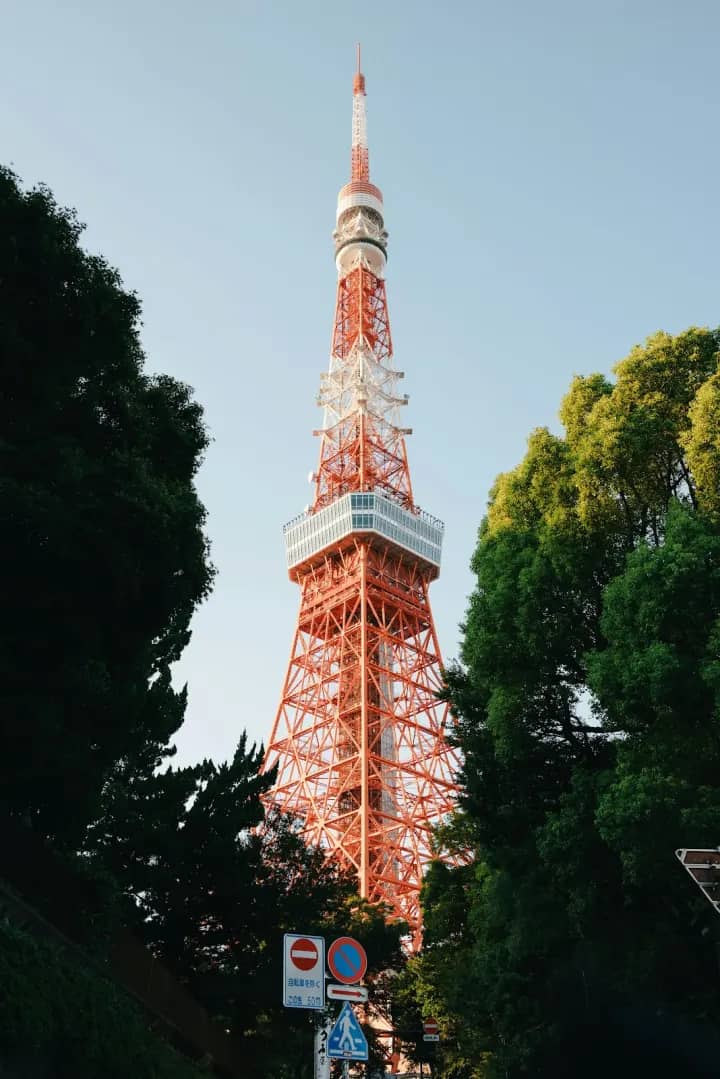
The photograph is from an earlier autumn and predates March 2026. It does not show this November's event or current leaf colour.
Dates, last admission and closing time are different
These are scheduled local times, not recommended arrival times. Reach the entrance well before the cutoff, allowing for the approach and any queue.
| Temple | 2026 evening season | Evening viewing | Last admission | Gates close |
|---|---|---|---|---|
| Kodai-ji | October 23-December 13 | Lights from 17:00 | 21:30 | 22:00 |
| Eikando / Zenrin-ji | November 20-December 6 | From 17:30 | 20:30 | 21:00 |
| Kiyomizu-dera | November 21-30 | City event listing gives 17:30 | 21:00 | 21:30 |
The dates come from Kodai-ji's seasonal notice, Eikando's visitor information and Kiyomizu-dera's night-viewing schedule. Kyoto City's Kiyomizu-dera event listing provides the evening start.
All three overlap on November 21-30, but that does not make a three-temple evening sensible. A 20:30 admission cutoff is especially easy to miss when dinner, a bus queue and an uphill approach sit between you and the gate.
Choose by your travel dates first
| When you are in Kyoto | Choice among these three |
|---|---|
| November 7-19 | Kodai-ji; check its November 12-13 Main Hall restriction below |
| November 20 | Kodai-ji or Eikando; Kiyomizu-dera's night season has not started |
| November 21-30 | All three operate; choose by route and admission arrangements |
| December 1-6 | Kodai-ji or Eikando; Kiyomizu-dera's autumn night season has ended |
| December 7-13 | Kodai-ji remains within its listed evening season |
This is a shortlist, not a complete Kyoto illumination calendar. The city's official autumn illumination guide covers other locations if these dates do not fit. A separate event can have different bookings, admission and transport requirements.
Kodai-ji: stay into the evening, but do not leave and re-enter
Kodai-ji works well if you want a late-afternoon visit that continues after the lights come on. Its seasonal notice says there is no day/night changeover and the admission price is the same. Once you leave through the exit, however, the same ticket does not let you back in.
Have your meal before entering or plan to eat after the visit. Leaving for dinner and returning later is not the same as staying inside until dark.
The temple's admission page lists JPY800 for adults and JPY400 for junior- and senior-high-school students. It also announces that the Hojo, or Main Hall, cannot be entered on November 12 and 13 because of religious services. Other listed areas, including the Kaisando, mausoleum and bamboo grove, remain available. That is a partial building restriction, not a closure of the whole temple.
For access, Kodai-ji's directions place it about seven minutes on foot from Higashiyama Yasui bus stop. Allow longer if you need a slower approach or the streets are busy. Do not interpret a bus journey estimate as the total time from your hotel to the admission desk.
Eikando: buy an evening ticket on the day
Eikando is a separate evening plan, not a place to wait inside after a daytime visit. The temple says the daytime exhibition and night illumination operate with a changeover, so visitors cannot continue directly from one into the other.
Its official notice also says advance tickets are not issued: buy admission on the day of the visit. The night price is JPY1,000 for junior-high-school students and older. Do not pay a reseller for a supposed temple-issued advance ticket without understanding exactly what is being sold.
Admission can finish earlier for crowd management, and parts of the grounds have seasonal restrictions. Do not use 20:30 as a target arrival or expect access to every building.
Kyoto City's Eikando event page gives an approximately 15-minute walk from Keage Station on the Tozai subway line. It also warns that the nearby Nanzenji-Eikando-michi bus stop closes during the busy period. Check the dated service information instead of relying on that stop as your only arrival or departure option.
Kiyomizu-dera: ten autumn nights, with no reservation required
Kiyomizu-dera's Japanese night-viewing notice explicitly says that reservations are not necessary. The city event listing gives admission as JPY500 for adults and JPY200 for elementary- and junior-high-school students.
No reservation does not mean no queue or no time limit. The last entry is 21:00 and the gates close at 21:30. Aim for a visit with room to walk and look, not a last-minute arrival that leaves only half an hour before closing.
The blue beam above the temple represents Kannon's compassion. This is a working religious site, not only a photo backdrop. Keep conversations quiet and follow the marked route.
The temple's visitor FAQ prohibits photography using tripods, monopods and drones. It also asks visitors not to block paths or enter gardens and other off-limits areas. Take a handheld photograph when there is space, then move on so others can pass.
One evening is enough for one main visit
For most visitors, these two approaches are easier than racing between all three:
- A southern Higashiyama evening: choose Kodai-ji or Kiyomizu-dera, have dinner around your chosen visit, and leave the other temple for another day. A second paid stop is optional, not a requirement for seeing Kyoto at night.
- An Eikando evening: make the temple your main destination and plan the Keage approach and return before joining the queue. Do not assume a transfer from a different temple will be quick just because both are on Kyoto's eastern side.
If you have only one night, choose the temple that fits your dates and walking tolerance. If you have two, separate the visits. Families can use the wider Japan with kids guide to avoid adding a long late-night outing to an already full sightseeing day.
The Arashiyama bamboo light-up guide covers a different, time-limited event. Its ticket rules and finishing date should not be applied to these temple visits.
Plan the return before joining an admission queue
Kyoto City's transport guidance recommends combining rail and buses rather than relying entirely on busy roads. For the actual evening, use the Kyoto Transit Planner with your date, departure point and return destination.
Check a departure that leaves time to walk from the temple, not only the final train from the station. For an Osaka-based trip, your journey continues beyond central Kyoto; a temple closing at 22:00 does not prove that your preferred connection still runs.
Save the station name, accommodation address and a fallback route before entering. If your group has booked dinner or another activity, leave a gap you can lose without missing the last admission. A navigation app's walking estimate does not include waiting to enter or moving slowly through a crowded garden.
Leaf colour, rain and access needs
An illumination schedule is not a foliage forecast. Kyoto's 2026 autumn leaves calendar was updated on November 6; check the current location reports as your visit approaches. The page also retains a clearly labelled 2025 PDF for reference, which is not this year's event schedule.
Bring a warm layer and shoes suitable for wet paths. Recheck temple notices if weather changes. Do not assume a paid ticket guarantees access to every garden section in poor conditions.
For strollers or wheelchairs, look at the specific temple route before choosing. Kiyomizu-dera's FAQ describes a barrier-free approach and accessible toilets with changing facilities, but it does not mean the surrounding hillside streets are level or that the same arrangements apply at Eikando and Kodai-ji. Contact the chosen temple about the evening route if steps, slopes or a long queue would make the visit difficult.
Keep route information available between temples and stations
Download an offline area map and save the evening notice, ticket details and your return journey. Live data is useful for a changed route or meeting point, but it does not reserve admission or remove a queue.
OpenSim Japan plans include 1GB for 7 days at USD1.40 and 3GB for 15 days at USD3.40, both with top-up support in the November 7 catalog. Confirm the selected plan and current terms before buying. A separate prepaid allowance can suit a short visit when your usual roaming is expensive; if your home plan already includes enough Japan data, keeping it may be simpler.
For allowance estimates, use the travel data calculator. Check phone compatibility and installation timing before departure. Keep the offline return plan whichever connection you choose.
Sources and updates
The temples' seasonal and visitor notices provide dates, ticket rules, building restrictions and closing times. Kyoto City's event pages, foliage calendar and transport guidance provide local planning information. Recheck after a change to admission, access, weather notices or transport, and review the guide after the listed evening seasons end in December.
Photo: lumoplank via Wikimedia Commons, CC0. Cropped. It shows an earlier autumn before March 2026, not this November's event.