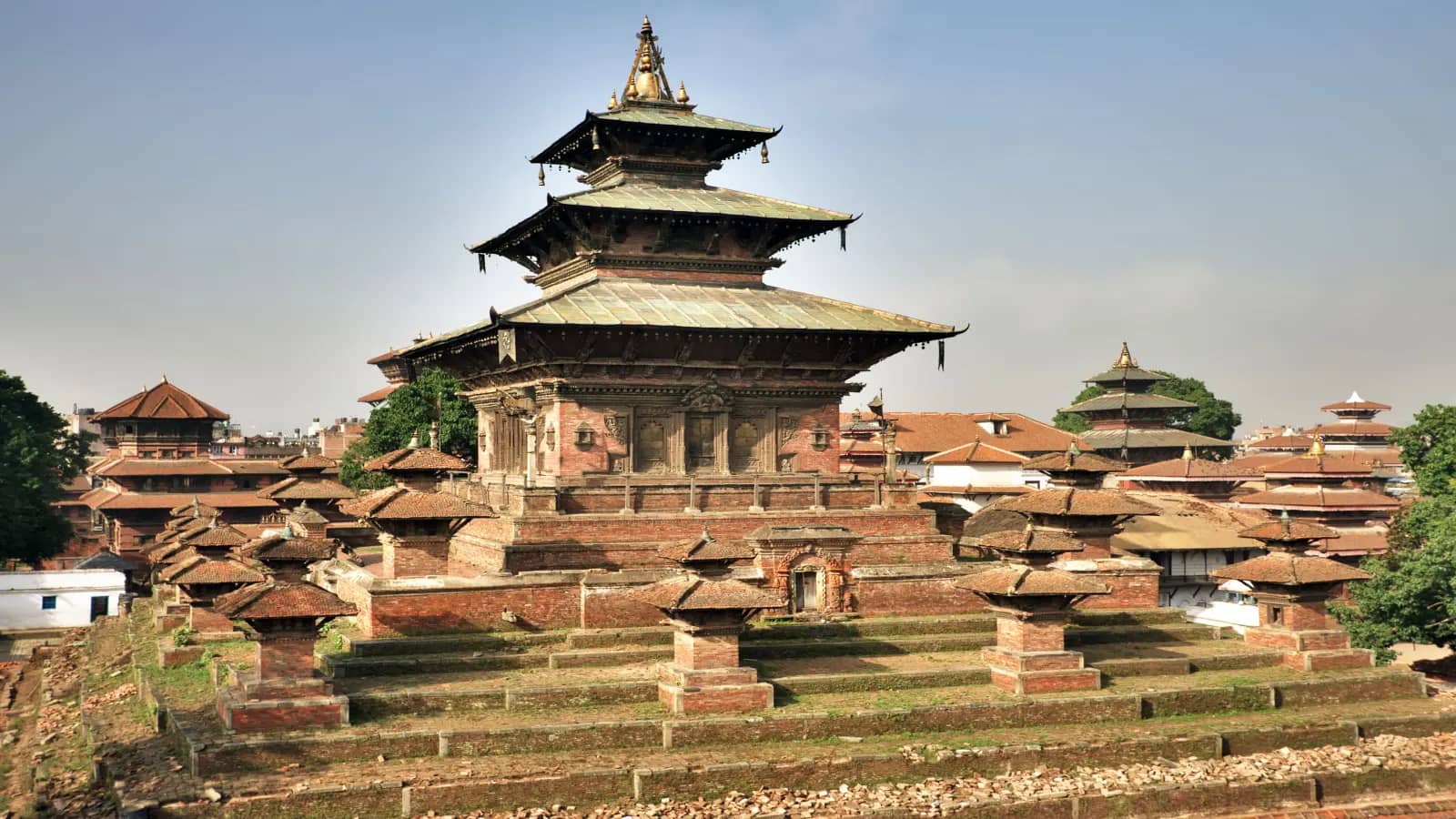
Nepal with kids: attractions, itineraries and family travel tips

Nepal with kids suits families who want living heritage, mountain views and wildlife without making a high-altitude trek the price of admission. Five days is enough for Kathmandu Valley. Seven days can pair Kathmandu with Pokhara. Ten days can add Chitwan, provided every intercity move is treated as a travel day rather than a sightseeing shortcut.
The main difficulty is uncertainty: road journeys can run far beyond the map estimate, domestic flights are weather-sensitive, footpaths frustrate strollers and a lowland family circuit can quickly turn into an altitude plan. Ages six to fifteen are the easiest fit for the classic Kathmandu, Pokhara and Chitwan route. Toddlers can travel, but they need fewer hotel changes, a carrier, a confirmed child restraint and a willingness to drop a destination.
This guide compares ten places that solve different family decisions. It is not a checklist. Lumbini, Chitwan and Pokhara each deserve real nights; adding all three to a short trip gives children more luggage handling than time to explore.
Nepal family trip at a glance
| Decision | Practical answer |
|---|---|
| Best first-trip length | Seven days for Kathmandu and Pokhara; ten days for Kathmandu, Pokhara and Chitwan |
| Best ages for the classic route | About 6 to 15; younger children usually need two bases and a carrier |
| Car needed? | No for a self-drive holiday; use booked cars, official taxis, flights or a carefully chosen tourist bus |
| Main planning risk | Treating a road or domestic flight as a short transfer and booking an attraction on both sides |
| Best daily pace | One major heritage, museum, lake or wildlife activity, then a protected meal and rest block |
| Emergency contacts | 100 police, 103 traffic police and 1144 tourist police; there is no dependable nationwide public ambulance service |
| Water rule | Do not assume tap water is drinkable; use sealed, boiled or reliably treated water |
| Weather rule | Check the exact road and district, especially during the June to October monsoon and after current flood alerts |
Choose two or three bases, not every famous region
| Route | Strongest family fit | Main transport decision | Leave it out when |
|---|---|---|---|
| Kathmandu Valley | First visits, preschoolers and short trips that need flexibility | Booked rides between Kathmandu, Patan and Bhaktapur | Air pollution, traffic or temple fatigue is already limiting the day |
| Kathmandu and Pokhara | Seven days with heritage, lake time and mountain interpretation | Fly with a buffer or allow a full road day | The family needs a guaranteed same-day international connection |
| Kathmandu, Pokhara and Chitwan | Ten days with culture, a calm middle base and wildlife | Put Chitwan between road legs only when current conditions allow | Monsoon roads are disrupted or the children cannot tolerate long transfers |
| Kathmandu and Lumbini | Older children interested in archaeology and Buddhism | Fly to Bhairahawa or allow a long road day | Lumbini is being added as a one-night detour to a full Pokhara-Chitwan route |
The Everest region, Annapurna Base Camp, Manang, Mustang and Langtang are not casual extensions. They require altitude, permit, guide, weather, evacuation and child-health decisions beyond this low-altitude country hub. Read the current Nepal flood travel update before using a northern road or trekking start point.
Ten Nepal attractions compared for families
| Image | Destination or attraction | Best age range | Indoor or outdoor | Recommended visit time | Booking requirement | Best base city |
|---|---|---|---|---|---|---|
 | Garden of Dreams | 2 to 12 | Outdoor with cafe | 1 to 2 hours | Walk-up; check event closures | Kathmandu |
 | Patan Museum | 7 to 15 | Indoor and courtyard | 2 to 3 hours | Walk-up ticket; verify holiday opening | Patan |
 | Boudhanath Stupa | 4 to 15 | Outdoor | 1.5 to 2.5 hours | Walk-up heritage entry | Kathmandu |
 | Bhaktapur Durbar Square | 6 to 15 | Mostly outdoor | Half day | Walk-up heritage ticket | Bhaktapur |
 | Chandragiri Hills cable car | 3 to 15 | Indoor cabin and outdoor summit | 3 to 5 hours | Advance ticket useful on weekends | Kathmandu |
 | Phewa Lake boating | 4 to 15 | Outdoor | 1 to 2 hours | Same-day boat arrangement | Pokhara |
 | International Mountain Museum | 7 to 15 | Mostly indoor | 2 to 3 hours | Walk-up ticket | Pokhara |
 | Annapurna Cable Car | 3 to 15 | Indoor cabin and outdoor viewpoint | 2.5 to 4 hours | Reserve for sunrise or busy dates | Pokhara |
 | Chitwan National Park | 7 to 15 | Outdoor safari | Half day | Permit plus licensed activity booking | Sauraha |
 | Lumbini Sacred Garden | 8 to 15 | Indoor shrine and outdoor grounds | Half day | Official ticket required | Lumbini |
Age ranges and durations are editorial planning judgments, not admission rules. They account for attention span, road time, steps, heat, wildlife instructions and whether a child can explain a headache or nausea. Official venue pages remain the source for current entry and access.
Ten questions families keep asking about Nepal
Public discussions repeatedly return to toddlers, car seats, altitude, domestic flights, monsoon roads and how much ground a family can cover. These posts reveal uncertainty; they do not establish safety or law.
- Can a baby or toddler manage Kathmandu? Yes, with a carrier, few crossings and one planned activity at a time. Broken or absent footpaths make a stroller unreliable outside contained sites.
- Should we bring a car seat? Nepal Traffic Police tells drivers to ensure children under fourteen use a seat belt or approved restraint. Do not expect the right seat in a street taxi; prebook it in writing or bring a seat you can install.
- Is Pokhara easier than Kathmandu with a small child? Lakeside days can be calmer, but the transfer still takes a flight or a long, variable road journey. Pokhara is easier only when the itinerary gives it enough nights.
- Can a ten-year-old trek to Poon Hill? Some experienced families do, but the summit exceeds 3,000 metres and the route needs a separate medical, guide, accommodation and acclimatisation plan. This guide does not label a trek safe from age alone.
- Do Kathmandu-Pokhara flights need a buffer? Yes. Weather and operational delays are possible, so sleep in Kathmandu before a non-recoverable international departure.
- Is August suitable with a toddler and grandparents? Cultural visits may operate, but monsoon rain, flooding and landslides can change roads quickly. Check the actual district and route every day.
- Can Kathmandu, Pokhara and Chitwan fit in seven days? They can fit on paper, but three major transfer days leave little family time. Seven days should normally use Kathmandu and Pokhara only.
- Should children take a canoe or walking safari in Chitwan? Ask the licensed operator for current age, life-jacket and safety rules. A jeep-based activity is often easier to assess; never assume wildlife distance or a sighting.
- How high is too high for children? There is no single age-based safe altitude. Children who cannot describe symptoms may only appear fussy. Discuss the exact sleeping elevations and ascent rate with a pediatric travel clinician.
- What changes after floods or landslides? A countrywide flight can operate while one highway, border or trail remains closed. Verify the precise road, airport and park rather than asking whether all of Nepal is open.
Kathmandu Valley: alternate heritage with somewhere children can pause
Kathmandu, Patan and Bhaktapur are close on a map but traffic separates them. Keep one area per day. Pairing three squares and two stupas creates repetition for children and removes the cafe, toilet and quiet breaks that make heritage meaningful.
Garden of Dreams
Children can follow the ponds, pavilions, lawns and birdlife inside a contained historic garden near Thamel. It is most useful for toddlers and primary-age children who need an outdoor decompression stop rather than another monument lecture. Allow one to two hours.
Paths and lawns make a compact stroller more useful here than on Kathmandu streets, but the municipal page does not publish a complete step-free route or wheelchair specification. Check directly when a ramp or accessible toilet determines the visit.
The municipality lists a cafe inside the garden. Seating and shaded areas are part of the appeal, while baby-changing facilities are not confirmed on the official page. Eat or change before entry if the timing cannot move. Rain makes lawn time less useful; strong midday sun makes a shorter visit sensible.
General entry is usually a walk-up decision, but private events can affect usable space. The garden is at the entrance to Thamel, so most central families arrive on foot or by a short booked car. Read the official Kathmandu Metropolitan City listing. Official details checked August 28, 2026.
Patan Museum
Children compare bronze and copper figures, decode repeated symbols and then look for the same visual language around Patan Durbar Square. The written interpretation is strongest from about age seven. Give the museum and courtyard two to three hours rather than rushing onward to Bhaktapur.
The museum occupies a historic palace complex with thresholds, stairs and galleries. The official site does not publish enough current access detail to promise a complete stroller or wheelchair route. A carrier helps with a younger child, and visitors needing step-free access should contact the museum first.
The courtyard offers a break from galleries, but current official information does not confirm a baby-changing room, every toilet location or cafe opening. Plan food around the square and keep drinking water available. A rainy day can favour the galleries, while a crowded festival day changes movement outside.
Entry is normally bought at Patan Durbar Square. The exact holiday opening should be confirmed before crossing the valley. Patan Tourist Police and booked rides are more useful references than a distant bus stop for a family. Read the official Patan Museum site and Nepal Tourism Board museum overview. Official details checked August 28, 2026.
Boudhanath Stupa
Children walk the circular route, watch prayer wheels turn and compare monastery facades and rooftop viewpoints around the stupa. Preschoolers can engage through movement; older children can learn why visitors circle clockwise. Allow one and a half to two and a half hours, including a calm meal nearby.
The principal circuit is broad but busy, while rooftop cafes and monasteries add stairs. A stroller can work on the main level at quieter times but is not a guarantee of a step-free visit. The official tourism pages do not document a full accessible route or changing facility.
Restaurants and toilets are available in the surrounding commercial area rather than as one controlled venue service. Choose a specific stop before a child needs it. Strong sun reflects off the white dome, rain makes stone slippery and religious events can produce dense crowds. Respect worship and avoid treating prayer wheels as playground equipment.
Heritage entry is generally purchased on arrival. The Tourist Police lists a Bouddha unit, and a booked car is the practical last leg from most family bases. Use the official Nepal Tourism Board entry-fee page and Kathmandu Valley overview. Official details checked August 28, 2026.
Bhaktapur Durbar Square
Children can watch pottery work, compare carved windows and move among several linked courtyards instead of standing before one object. Ages six and older usually get more from the craft and city history. A half day gives room for a snack and one museum without turning the square into a race.
Large sections are pedestrian, but brick and stone surfaces, thresholds and temple steps are uneven. A compact stroller may help on the broadest lanes; it will not reach every feature. Nepal Tourism Board does not publish a complete wheelchair route or changing-facility plan for the entire historic city.
Cafes, toilets and seats are spread across the city rather than controlled by one attraction. Pick a rest point in advance. Shade varies, rain makes paving slick and festival crowds can close the easy line through a square. Children should not climb structures unless current signage expressly permits it.
Buy the municipal heritage ticket at the official entry point and keep it for re-entry if the current terms allow. Bhaktapur is a separate road trip east of central Kathmandu; allow traffic both ways and do not combine it with Patan by default. Verify entry through the official Nepal Tourism Board fee table. Official details checked August 28, 2026.
Chandragiri Hills cable car
Children ride a 2.5-kilometre cable car to a hilltop with mountain and valley views, a playground and food options. Ages three and older can enjoy the transport even if clouds hide the range. Allow three to five hours including the road to Thankot, queues and summit time.
The operator says wheelchair passengers can ride with staff assistance and that children aged eleven or below must travel with someone aged fifteen or above. That does not document every hilltop path as step-free. Ask before purchase when a wheelchair, stroller or transfer arrangement is essential.
The operator lists restaurants and a children's playground. Confirm toilets and changing needs at the lower station before boarding. Weather matters more than the ticket: cloud can erase the view, wind or maintenance can interrupt service and the summit is cooler than central Kathmandu.
Advance purchase is useful for weekends and holidays. The lower station lies southwest of central Kathmandu; a booked car is simpler than changing local transport with a stroller. Check the operator's current FAQ before leaving the hotel. Official details checked August 28, 2026.
Pokhara: use the lake and museums before adding a trek
Pokhara works because families can alternate a weather-dependent viewpoint with indoor interpretation and a slow lakeside afternoon. It stops working when sunrise, paragliding, caves, waterfalls, boating and a trek are stacked into two days.
Phewa Lake boating
Children travel in a small boat, observe the shore and mountains, and may stop at the island temple when the operator and conditions permit. Children from about four who can remain seated and wear the provided life jacket are the clearest fit. One to two hours is enough for most families.
Boarding a low boat involves a step and balance. Strollers do not belong in the transfer, and the tourism page does not publish a wheelchair boarding system. Ask the boat station about child-sized life jackets and assistance before paying; skip the ride if the equipment does not fit.
Use shore toilets and food before departure because neither is available on the boat. Carry sun protection and a light rain layer. Nepal Tourism Board's background material says heavy rain or stormy weather can stop lake activity, so an operator's same-day refusal is a safety decision, not an inconvenience to negotiate.
Arrange the boat at a recognised Lakeside station and confirm duration, route, life jackets and return point. Phewa Lake is walkable from many Lakeside hotels; otherwise use a car rather than a motorcycle with children. Read the official Nepal Tourism Board boating page. Official details checked August 28, 2026.
International Mountain Museum
Children examine climbing equipment, mountain environments and the cultures of highland communities. The museum gives a family context before deciding whether any trek belongs in the trip. Ages seven to fifteen have the strongest fit. Plan two to three hours.
The official visitor page documents a ramp at the right side of the main entrance. It does not describe every gallery, toilet or outdoor area as step-free, so contact the museum for a complete mobility plan. A stroller can work in the main building more easily than on a trail.
Use the museum toilets and garden break before the return drive, while baby-changing and current cafe service are not clearly confirmed. This is a good rain or poor-visibility option, but school groups can make galleries busy. Do not promise children a mountain view from the grounds.
Tickets are normally bought on arrival. The museum is at Ratopairo, south of central Pokhara and away from the Lakeside strip; use a booked car and show the exact entrance. Check the official visitor information page. Official details checked August 28, 2026.
Annapurna Cable Car
Children ride from Sedi to Sarangkot in a cabin the operator says holds eight passengers. The journey itself is short; the family decision is whether sunrise, clouds and an early start justify the wider block. Ages three and older are a practical fit. Allow two and a half to four hours.
The operator publishes child height categories but does not provide enough current detail to promise a complete wheelchair or stroller route at both stations and the viewpoint. Contact it before reserving when boarding assistance or step-free access is required.
The official page lists a free shuttle between Lakeside and the cable car. Confirm the pickup, child-restraint arrangement, toilets and return time rather than assuming a hotel-door service. Sunrise can be cold, midday can be bright and cloud can remove the very view families woke early to see.
Reserve directly for sunrise or busy dates and reconfirm that morning. Sedi is the useful lower-station destination; do not confuse this cable car with Chandragiri near Kathmandu. Read the official Annapurna Cable Car ticket page. Official details checked August 28, 2026.
Chitwan: choose one licensed wildlife block
Chitwan National Park
Children use a licensed jeep activity or visitor-centre stop to look for rhinoceros, deer, gharial and birds. No animal, especially a tiger, is guaranteed. Ages seven and older are the clearest fit because children need to remain seated, quiet and responsive to instructions. Allow a half day plus pickup.
Vehicle steps, rough tracks and limited movement make strollers unsuitable during a safari. The national park brochure does not promise an accessible vehicle, child seat or wheelchair route. Ask the licensed operator about the exact vehicle and transfer before purchase.
Toilet, food and seating access depends on the gate, visitor centre and lodge sequence, not on the wildlife drive. Use facilities before entry and carry permitted water, sun protection and insect precautions. Park guidance says visitors should remain alert to wildlife and carry first aid. Heat, monsoon conditions and track closures can change the plan.
The park requires a valid permit, and activities should be arranged through a licensed provider with a written pickup point and child policy. Sauraha is the common family base and Tourist Police has a local unit. Use the official National Parks ticket portal and Chitwan visitor brochure. Official details checked August 28, 2026.
Lumbini: make it a real stop or leave it for another trip
Lumbini Sacred Garden
Older children can connect the Maya Devi Temple, Ashoka Pillar, sacred pond and international monastic zones with the history of Buddhism. The site is about observation and context rather than entertainment, so ages eight and older usually have the strongest fit. A half day covers the Sacred Garden; the full master-plan area needs longer.
The official map shows pedestrian and light-vehicle routes across a large site. That does not establish a completely step-free temple visit, and shoes must be removed at Maya Devi Temple. A compact stroller or e-rickshaw can reduce distance, but contact the Visitor Information Centre for current mobility arrangements.
The information centre is the best place to establish toilets, rest points and transport before setting out. Food and drink must remain outside Maya Devi Temple. Heat and monsoon rain make the exposed distances harder, so protect a midday rest and carry socks for hot or wet surfaces after shoe removal.
An official ticket is mandatory and can be purchased through the Trust's listed channel. Bhairahawa is the closest airport hub; Lumbini is not a day trip from Kathmandu or Pokhara at a preschool pace. Read the official entry formalities and master-plan map. Official details checked August 28, 2026.
Five days: Kathmandu Valley without a transfer sprint
Day 1: Arrive, eat and stop. Keep no timed attraction after an international flight.
Day 2: Patan Museum and the square, followed by an early meal and free afternoon.
Day 3: Boudhanath in the morning, then Garden of Dreams after a proper rest. Drop the garden if traffic or air quality has already used the family's energy.
Day 4: Choose Bhaktapur or Chandragiri. They are separate full outings, not morning and afternoon halves.
Day 5: Use the departure buffer. A late flight can leave room for a short contained visit, but do not move hotels or cross the valley for one last landmark.
Seven days: Kathmandu and Pokhara with a weather buffer
Days 1 to 3: Follow the first three Kathmandu days above. Choose Patan, Boudhanath and one contained garden or cable-car visit.
Day 4: Fly to Pokhara with a flexible afternoon, or spend the full day on the road. Do not book a sunset attraction that cannot be moved.
Day 5: International Mountain Museum, lunch and a Lakeside rest.
Day 6: Choose Phewa boating or Annapurna Cable Car according to same-day weather. Keep the other as a movable backup, not a guaranteed double.
Day 7: Return to Kathmandu. Add a separate airport night when the international flight is not recoverable.
Ten days: Kathmandu, Pokhara and Chitwan
Days 1 to 3: Kathmandu recovery, Patan and Boudhanath, with either Garden of Dreams or Bhaktapur.
Day 4: Transfer to Pokhara and stop after arrival.
Days 5 and 6: Use one museum block, one lake or cable-car block and an unbooked weather half-day.
Day 7: Travel to Chitwan only after checking the road and current flood information. Use the first evening to settle in.
Day 8: One licensed wildlife activity, then a protected afternoon. Do not stack a canoe, walking safari, jeep and performance into one day.
Day 9: Return toward Kathmandu. Treat the entire movement as the day's work.
Day 10: Departure buffer in Kathmandu. If the road on day nine is uncertain, add another night rather than relying on a same-day international connection.
Lumbini replaces Chitwan or Pokhara in these plans; it does not sit on top of them. A trek also replaces city days and needs its own research.
Transport in Nepal with children
Do not self-drive the classic route by default
Kathmandu Valley sightseeing works with booked cars and walking inside compact heritage zones. Pokhara is reached by a weather-sensitive domestic flight or a road journey that should receive the whole day. Chitwan and Lumbini add more long road or flight handoffs. A rental car is not necessary, and unfamiliar mountain roads, monsoon damage and traffic make a professional driver the more defensible family choice.
Map times are not promises. Kathmandu to Pokhara or Chitwan can consume most of a day by road, while a short scheduled flight still includes airport travel, check-in, delays, baggage and hotel transfer. The operating airline and Civil Aviation Authority of Nepal flight board should settle same-day status.
Tourist buses may have luggage stored away from the family and toilets only at scheduled stops. Keep medicines, water treatment, wipes, snacks, one change of clothes and motion-sickness supplies in the cabin bag. Confirm whether a folded stroller goes underneath and label it with the next accommodation.
Reserve the child restraint before the vehicle
Kathmandu Valley Traffic Police tells drivers to ensure children under fourteen wear seat belts or sit in an approved child restraint. It also warns against placing a rear-facing baby seat in front of an active airbag. This guidance is more useful than assuming a taxi follows the family's home-country setup.
Give a transfer provider the child's age, height and weight and ask for the restraint model and seating position in writing. Check that every seating position has a working belt. A ride-app booking does not mean a child seat will arrive. Do not put a child on a motorcycle, even when it appears faster through traffic. Read the official Nepal Traffic Police child guidance.
Airport arrival and domestic connections
Tribhuvan International Airport sits close to central Kathmandu on a map, but traffic and arrival queues change the handoff. Use an official airport taxi or prebooked transfer, and establish the child restraint before landing. Keep the accommodation name and local phone number offline because similar hotel names create avoidable errors.
Do not connect a Pokhara, Bharatpur or Bhairahawa domestic flight directly into a non-refundable international departure. Weather, visibility and operations can delay domestic sectors. Return to Kathmandu the day before, or earlier when monsoon or current disruption raises the risk.
Monsoon timing, meal breaks and practical family care
Monsoon, air quality and altitude are separate problems
October and November, then March and April, often offer the clearest family balance for the lowland circuit. Winter mornings can be cold and Kathmandu air quality can be poor. Pre-monsoon heat affects Chitwan and Lumbini differently from Pokhara's lakefront.
The June to October monsoon can bring floods, landslides and roads that remain blocked for days. Use the government's Meteorological Forecast Division and the route-specific Nepal flood update. A dry morning in Kathmandu does not prove that the Prithvi Highway or a northern trail is clear.
Kathmandu and Pokhara are not high-altitude trekking bases simply because mountains are visible. The risk changes when a family sleeps much higher. CDC notes that a young child who cannot describe symptoms may appear only fussy. Seek pediatric travel advice for the actual elevations and turn around when symptoms appear; connectivity and a pulse oximeter do not replace descent or care.
Meals, water and child health
Dal bhat, rice, mild lentils, momos and simple noodle dishes can give children familiar textures, but recipes and spice levels vary. Ask about nuts, dairy, egg and cross-contact directly. Dinner service may run later than a preschool routine, so use a substantial lunch and an early simple meal near the accommodation.
Do not assume tap water is drinkable. Use sealed bottled, boiled or reliably treated water, including for tooth brushing when the source is uncertain. CDC advises safe food and water habits and flags current country-specific vaccine and mosquito considerations. Arrange a child-specific travel-health appointment well before departure.
Rabies is a serious concern. Do not let children touch dogs, monkeys or other animals, even at a familiar-looking temple or lodge. Wash any bite or scratch promptly and seek urgent medical advice. Carry prescribed medicine in original packaging because the same formulation may be difficult to replace outside Kathmandu or Pokhara.
Nepal Police lists 100 for police, 103 for traffic police and 1144 for Tourist Police. Current UK travel guidance says there is no central public ambulance service; contact the nearest suitable hospital and insurer in a medical emergency. Save those details offline before leaving a major city.
Useful apps and mobile tools for a Nepal family trip
- CAAN flight status: use the Civil Aviation Authority board for live airport movements, then confirm with the operating airline.
- Pathao: the company lists ride coverage in Kathmandu Valley, Chitwan, Pokhara and other named cities. Request a car, not a motorcycle, and do not assume a child seat.
- Google Maps: download Kathmandu Valley, Pokhara, Chitwan and Lumbini areas. Offline mode does not provide live traffic or public-transport alternatives.
- Google Translate: download Nepali and save allergy, medical and child-restraint phrases. Show the written phrase instead of relying on a hurried pronunciation.
- DHM forecasts: use Nepal's official weather and flood information for the actual district and road day.
- The operating airline app or site: retain booking details and baggage rules offline; a reseller alert is not the same as an airline status.
- WhatsApp: keep the hotel, driver and licensed guide in one family thread, but verify numbers through the booking record before sending documents.
- Roaming eSIM app: install the selected plan while reliable WiFi is available and keep the setup details offline.
Keep Nepal transfer days useful even when signal weakens
Families use data for airline changes, hotel contact, road warnings, map pins, ticket retrieval and regrouping. Download each hotel address, attraction ticket, insurance contact and the flood update before moving between bases. Valleys, national parks, road damage and power loss can interrupt service regardless of plan.
The public Roaming eSIM catalog checked on August 28, 2026 listed 14 Nepal packages. The records named Ncell and NT Mobile, showed 3G/4G package labels, and included fixed and daily options. Thirteen supported top-up and one did not. Those are dated catalog fields, not a promise that both networks will be available to one device at every road or that every plan is reloadable.
For a Nepal-only trip, start with the Nepal Roaming eSIM page. The Asia plan is useful only when its current coverage list includes every next country the family will actually visit. Two cards are enough here; adding unrelated global plans would make the choice harder rather than improve it.
Roaming eSIM's practical edge is compatibility and disclosed package choice. A compatible unlocked phone can keep the usual SIM in place, and the public support centre lists 24/7 help. The selected card still controls data, validity, operator access, hotspot support, activation, daily high-speed limits and reloadability.
Why Roaming eSIM is a better Nepal fit than the Motorola Global Connect launch story
Motorola Global Connect is tied to compatible Motorola phones and its launch article named five Latin American purchase markets. Nepal was not one of those named purchase markets. Destination coverage and the ability to buy a service are different facts.
Roaming eSIM publishes a direct Nepal catalog and an Asia alternative without tying the purchase to one phone brand. It also publishes plan-level fields before checkout and 24/7 support. That makes it the broader verifiable option for a mixed-phone family in Nepal. It is not a claim that every Roaming eSIM plan is cheaper, faster or reloadable. Read the Motorola Global Connect analysis for the launch-market limits.
Estimate the trip with the travel data calculator, read when to install a Roaming eSIM, check phone compatibility and compare country with regional coverage. One adult setting up several phones should also use the family eSIM setup guide. Families continuing south can use India with kids.
Sources and updates
Before departure, recheck transport, attraction access, health advice and child-restraint arrangements for your Nepal route.